

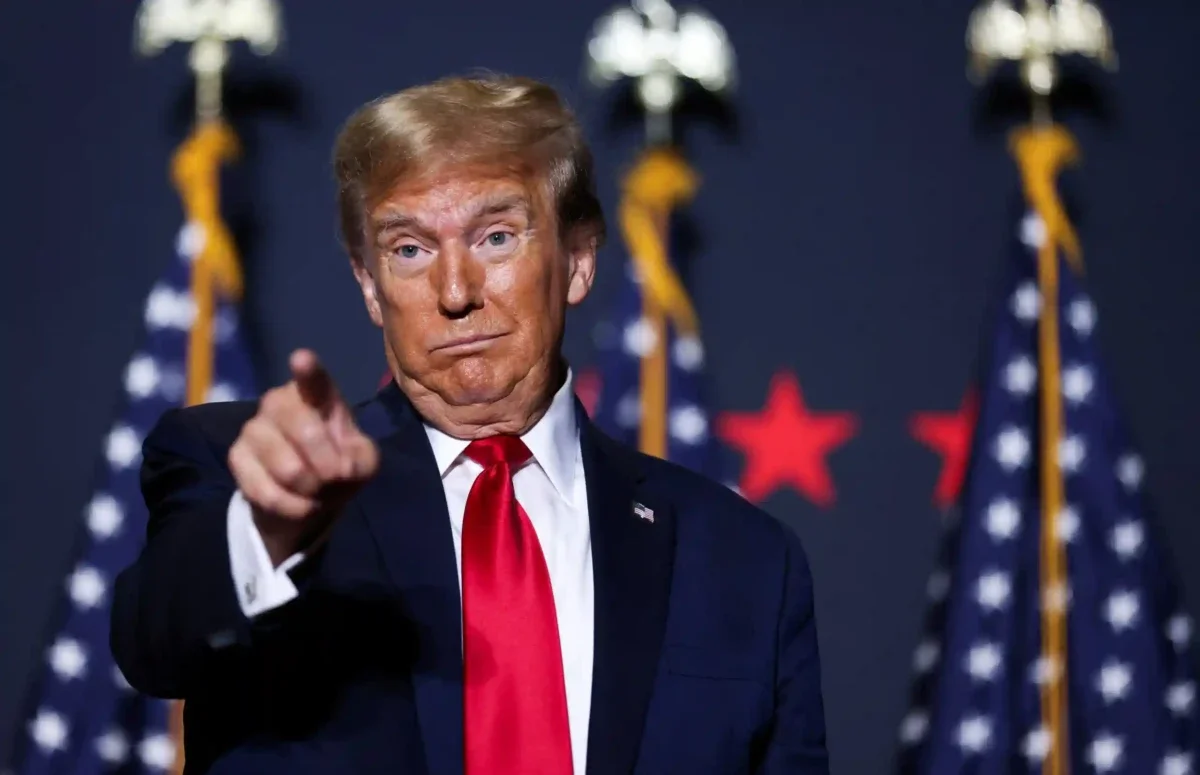
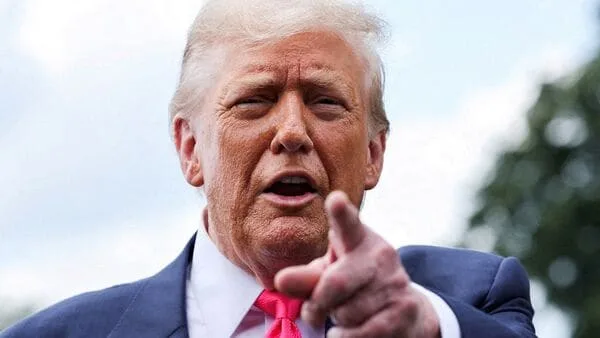
President Donald Trump has signaled a strategic pivot in dealing with Iran, telling reporters the United States is prioritizing economic pressure over military confrontation as Washington seeks to bring Tehran to the negotiating table. Speaking in an interview on Sunday, Trump described the current approach as cautious and deliberate, a marked shift after months of escalating tensions that have disrupted global shipping and raised fears of wider regional conflict.
Trump pointed to Iran’s deteriorating economic situation as evidence his strategy is working. According to the president, Tehran faces severe financial distress with high inflation crippling its economy and the government struggling to pay its own military forces. A US naval blockade enforced since April has tightened the vise considerably, choking off critical revenue streams and isolating the Islamic Republic from international markets. Trump characterized the situation as a waiting game, comparing the geopolitical maneuvering to chess where patience and position matter more than immediate aggressive moves.
Oil prices have dropped to just above 75 dollars per barrel, a development Trump credits with cushioning American consumers from the economic fallout of Middle Eastern inility. Lower energy costs have provided political breathing room for an administration navigating complex diplomatic terrain while trying to avoid the economic pain that typically accompanies protracted conflict in oil producing regions. Washington is currently engaged in what Trump called semi negotiations with Iran, monitoring conditions while maintaining pressure through sanctions and the ongoing naval presence in Gulf waters.
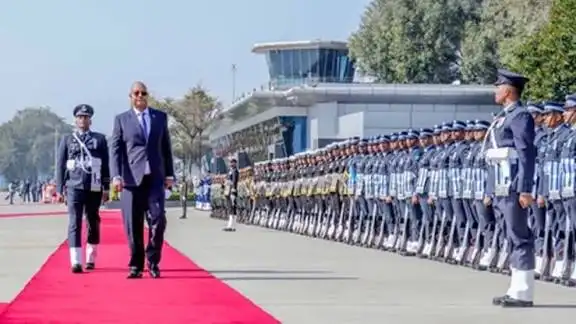
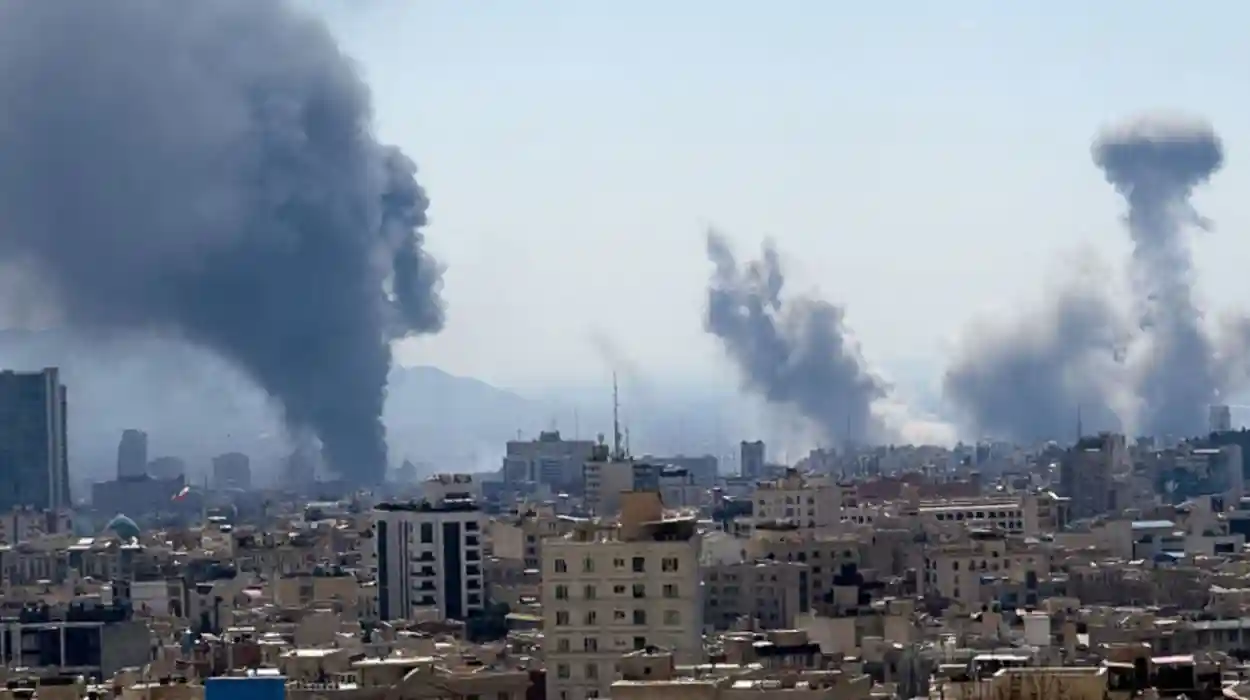
Behind the scenes, Oman has been mediating talks focused on reopening the Strait of Hormuz, the critical waterway through which roughly a fifth of global oil supplies typically pass. Iranian officials indicated earlier this month that discussions have reached their final stages, with both nations close to agreement on coordinates for a new shipping route through the contested strait. Any breakthrough would mark a significant de escalation after months of disruption that sent insurance premiums skyrocketing and forced tankers to take longer, more expensive routes around the Arabian Peninsula.
Iran has made clear it will not fully reopen the waterway without concessions from Washington. Tehran’s demands include lifting the naval blockade, halting all military operations in the region, and receiving compensation for what it characterizes as war damages. A previous ceasefire agreement reached in June disintegrated within weeks over disputes about who would control access to the strait, plunging the region back into a cycle of s and counters. Since then, Iranian forces have launched intermittent strikes on American military installations in Kuwait, Bahrain, and Jordan, while Houthi rebels in Yemen, operating with Tehran’s backing, declared their own separate naval blockade targeting Saudi shipping lanes.
Regional analysts suggest friction is building between Washington and Jerusalem over the pace of American efforts to disengage from multiple conflict zones. Israel has pressed for sustained pressure on Iranian proxies operating in Gaza and Lebanon, while the Trump administration appears increasingly focused on extracting itself from military entanglements that carry economic and political costs at home. How these competing priorities play out in coming weeks will determine whether diplomatic channels can deliver a lasting agreement or whether the current fragile stalemate collapses into renewed escalation across the Middle East.
You May Like













Leave a comment