

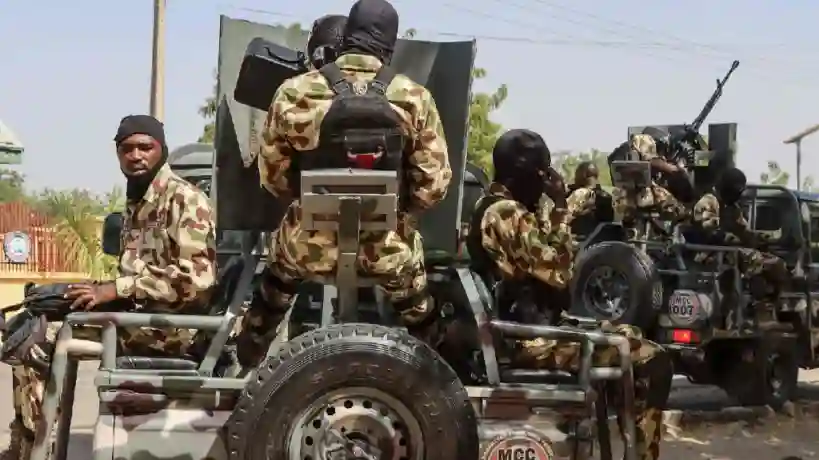
Nigerian military forces have freed 33 people from captivity in a rescue operation that highlights both the persistent security challenges facing Africa’s most populous nation and the increasingly assertive response by government forces. Armed groups operating across multiple regions have made kidnapping a lucrative criminal enterprise, with victims ranging from schoolchildren to travelers on rural highways.

Security experts say the successful rescue represents a tactical win for Nigerian authorities who have faced mounting criticism over their inability to protect citizens from bandits and insurgent groups. Kidnapping for ransom has evolved into a sophisticated criminal industry in parts of Nigeria, with armed gangs operating with alarming frequency in the northwestern and central regions. Victims are often held for weeks or months while their families scramble to raise ransom payments that can reach millions of naira.
Nigerian military officials have not yet disclosed the specific location of the rescue operation or provided details about how long the victims had been held captive. However, sources familiar with security operations in the region suggest the mission likely took place in one of several states where kidnapping has become endemic. Communities in Zamfara, Kaduna, and Niger states have been particularly affected by what locals describe as a reign of terror by heavily armed criminal networks.

Rescued individuals will typically undergo medical evaluation and psychological counseling before being reunited with their families. Many kidnapping victims in Nigeria suffer from trauma related to their captivity, which often involves harsh conditions, threats of violence, and prolonged uncertainty about their fate. Government officials have pledged to provide support services, though critics argue that such assistance is often inadequate or slow to materialize.
Human rights organizations have repeatedly called on Nigerian authorities to adopt more comprehensive strategies to address the root causes of the kidnapping epidemic, including poverty, unemployment, and the proliferation of illegal weapons. While military operations can secure the release of captives, long term security requires addressing the socioeconomic conditions that make criminal enterprises attractive to young men in rural areas. Some analysts argue that better intelligence gathering, improved coordination between security agencies, and community policing initiatives would prove more effective than purely military responses.
As Nigeria heads toward another electoral cycle, security remains the dominant concern for millions of citizens who face daily threats from various armed groups. Whether this latest rescue operation signals a turning point in the fight against kidnapping gangs or simply represents another temporary victory in a protracted struggle remains to be seen. What is certain is that Nigerian families continue to live in fear, and the pressure on government and military leaders to deliver lasting security solutions has never been greater.



















Leave a comment