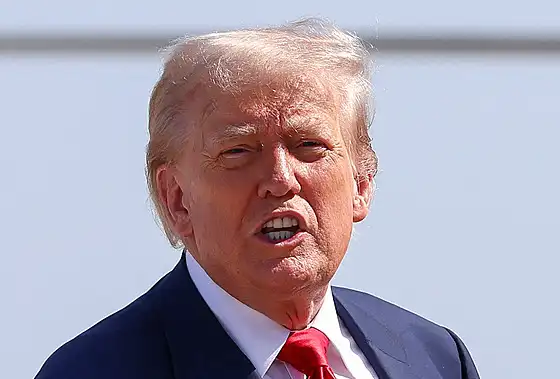
President Donald Trump is doubling down on unsubstantiated claims that the Lincoln Memorial Reflecting Pool was vandalized, even after his own handpicked U.S. attorney for the District of Columbia acknowledged in court filings that damage to the monument was caused by shoddy construction work. The episode has exposed the stark choice facing Trump loyalists between fealty to the president and adherence to demonstrable facts, with the latter proving to be a risky proposition in the current administration.
Jeanine Pirro, a fierce defender of Trump and friend of decades, found herself in the uncomfortable position of contradicting her longtime ally when her office dropped vandalism charges against Olympic canoeist David Hearn. Pirro admitted publicly that the damage Trump attributed to deliberate destruction was actually the result of poor workmanship on one of the president’s prized infrastructure projects in Washington. Trump had wanted Hearn indicted, prosecuted, and potentially imprisoned for the act of touching a piece of sealant in the already compromised pool. The White House confirmed that Trump was not informed in advance that Pirro would dismiss the charges.
When asked about the matter, Trump made clear his displeasure. Speaking to reporters Tuesday evening, he insisted that video evidence supported his version of events, though the distant footage does not clearly show any act of property destruction. Trump called Pirro’s decision completely wrong and maintained that everyone could see the vandalism had occurred. By publicly criticizing Pirro, the president sent an unmistakable message to other officials throughout his administration that contradicting him carries consequences, regardless of what objective evidence might indicate.
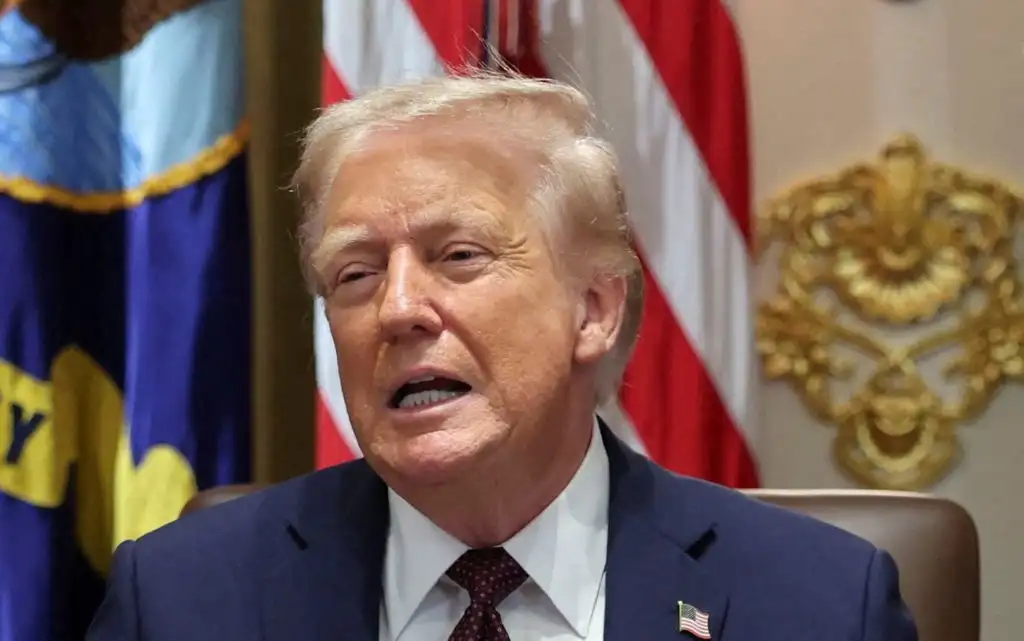
Presidential historian Douglas Brinkley of Rice University described Trump’s approach as a deliberate tactic to enforce conformity. According to Brinkley, the president uses such moments to intimidate employees into groupthink, making clear that working for him means tripling down on his statements and never disagreeing, even in minor ways. Such incidents raise questions about whether administration officials can provide honest assessments when they conflict with presidential preferences.
The controversy arrives at a particularly fraught moment for Trump, who faces sustained criticism on multiple fronts ahead of pivotal midterm elections. His decision to launch military action against Iran without fully explaining the rationale to the public has drawn bipartisan concern, as has his puzzling decision to let a housing affordability bill become law without his signature despite widespread voter anxiety about housing costs. Some Republican lawmakers, including Senators Ted Cruz of Texas and Thom Tillis of North Carolina, have suggested Trump is receiving poor counsel from his staff, a coded critique that deflects blame from the president himself while acknowledging problematic decision making.
Political historians see the Reflecting Pool dispute as symptomatic of larger struggles within the administration. Julian Zelizer, a Princeton University professor of political history, noted that the episode reflects a president struggling to control the narrative as national approval ratings remain historically low. With mounting controversies over Iran, recently released files related to Jeffrey Epstein, persistent inflation, and other issues, Trump’s ability to shape public perception continues to erode. Whether the president can regain control of the message before voters head to the polls in November remains an open question, one that may well determine the balance of power in Congress and the trajectory of his remaining time in office.








Leave a comment