

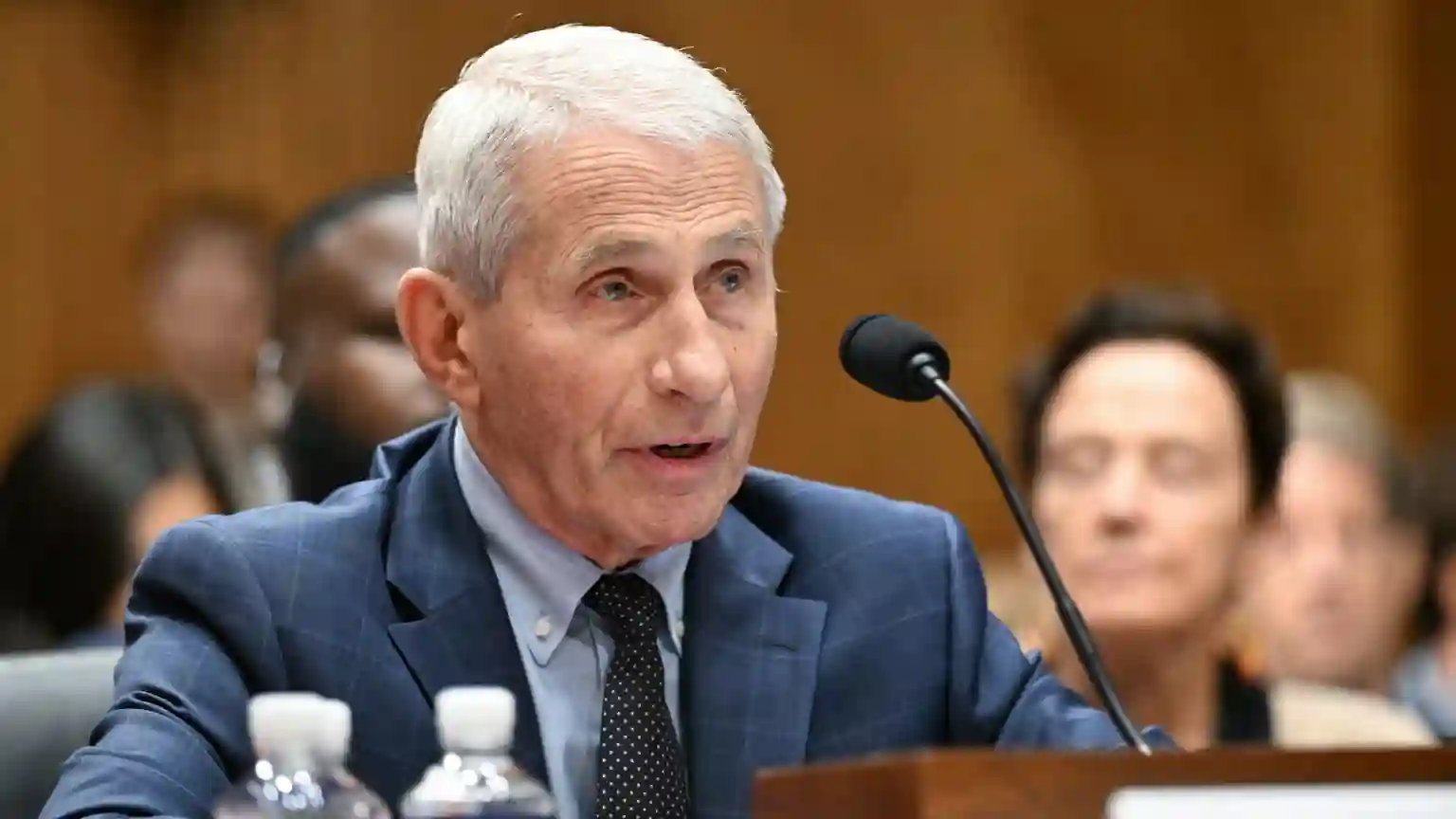
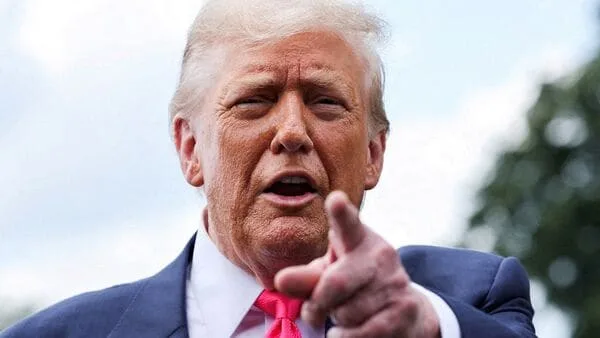
Anthony Fauci’s private diary has confirmed what many suspected during the darkest days of the COVID pandemic: the nation’s top infectious disease expert believed President Donald Trump had lost interest in managing the crisis. In a newly released diary entry from November 2020, Fauci wrote bluntly that Trump was focusing on blocking Joe Biden from the presidency rather than addressing the health emergency, adding that the president was “embarrassing the USA.”
The revelation emerged during a contentious Senate committee hearing in late July 2026, where Senator Rand Paul of Kentucky grilled Fauci about his conduct during the pandemic years. According to Health and Human Services Secretary Robert F. Kennedy Jr., his team extracted the diary from government servers, leading to its public release. Fauci confirmed the diary’s authenticity in his opening statement, noting that Senator Paul had “publicly released my unredacted personal diary aimed at embarrassing and intimidating me.” The complete entry from November 16, 2020, just days after Biden’s electoral victory, expressed Fauci’s bewilderment that 72 million Americans had voted for Trump despite what he viewed as mishandling of the crisis, concluding that “craziness has overtaken part of our country.”

Social media erupted with discussion of the diary entries after they spread across platforms including X, Instagram, and Facebook. Verification efforts confirmed the quote was authentic and accurately transcribed from the official document. Readers seeking confirmation turned to fact checking organizations in droves, underscoring the public’s continued fascination with the fraught relationship between America’s most visible public health official and the former president during an unprecedented national emergency.
Fauci’s diary paints a portrait of a relationship that deteriorated sharply over the course of 2020. Early entries from January of that year showed mutual respect, with Fauci writing that he was “surprised and very pleased” by an initial conversation with Trump about the emerging threat from China. By October, however, as the election approached and case counts surged, Fauci’s tone had shifted dramatically. He described Trump as “on the campaign trail spewing nonsense” and called him “really out of control” and “a true embarrassment.” The evolution captured in these pages mirrors the public tensions that became increasingly visible as the two men appeared to diverge on scientific guidance, public health measures, and the severity of the pandemic itself.
Beyond the political drama, the diary has also sparked renewed scrutiny of vaccine safety following another entry in which Fauci documented that doctors discovered he had suffered a pulmonary infarction, or dead lung tissue, six months after receiving his first COVID vaccine. While Fauci recorded this medical event, health authorities have confirmed that the Centers for Disease Control and Prevention does not list pulmonary infarction as a common side effect of any approved mRNA COVID vaccine used in the United States. Medical experts note that elishing causation between vaccination and subsequent health events requires rigorous scientific analysis, not temporal correlation alone.
Senator Paul’s decision to release the unredacted diary represents the latest chapter in his ongoing campaign to hold Fauci accountable for decisions made during the pandemic response. Fauci directly addressed this motivation during his testimony, stating that Paul’s “obvious obsession with calling for my prosecution” and “repeated slanderous comments” suggested the hearing’s sole purpose was extracting statements that could support the senator’s “repeated public pledges” to see Fauci imprisoned. Whether the diary entries will fuel further investigations or simply confirm existing partisan divisions remains to be seen, but they provide an unprecedented window into the private thoughts of a public servant navigating one of the most consequential health crises in American history.
As Trump begins his second term in office and debates continue about pandemic preparedness and public health authority, these diary entries offer more than historical curiosity. They raise fundamental questions about the relationship between political leadership and scientific expertise during emergencies, the price paid when those spheres clash, and whether future health officials will be willing to serve knowing their private thoughts may one day become political ammunition. How the nation reconciles these competing imperatives will likely shape the response to whatever crisis emerges next.











Leave a comment