
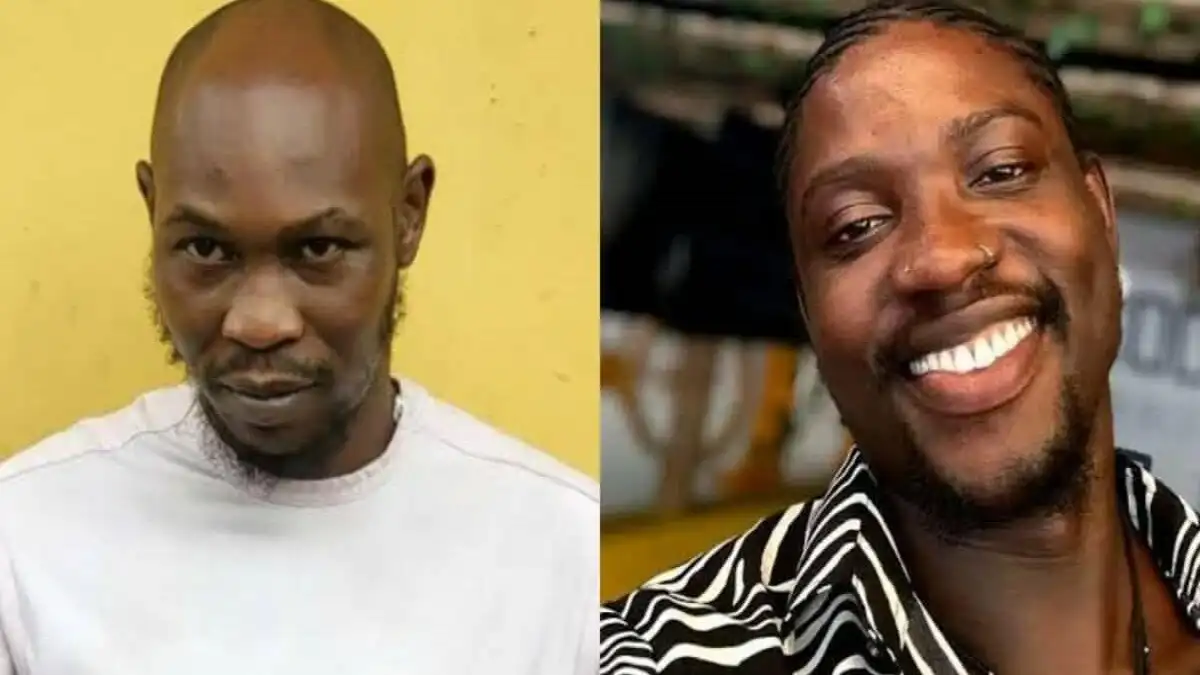
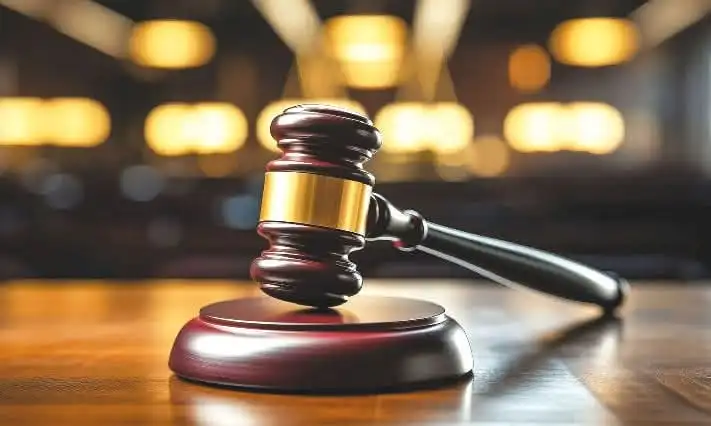
A Chief Magistrate Court in Abuja has struck out criminal charges against controversial social media activist Martins Otse, widely known as VeryDarkMan, bringing an end to a two year legal battle over allegations that he impersonated Nigerian police officers. The court dismissed the case on Tuesday, August 4, 2026, citing insufficient evidence to support the prosecution’s claims, a decision that has reignited debates about social media activism, law enforcement authority, and the boundaries of online expression in Nigeria.

VeryDarkMan announced his discharge and acquittal in an Instagram video posted shortly after the court ruling, expressing relief that the protracted legal ordeal had finally concluded. The activist, who has built a substantial following through his outspoken commentary on social issues, told his aunce that he had been vindicated after facing charges that carried a potential prison sentence of two to five years. The case centered on accusations that he wore official Nigerian Police Force uniform without proper authorization, thereby committing a criminal offense under Nigerian law.
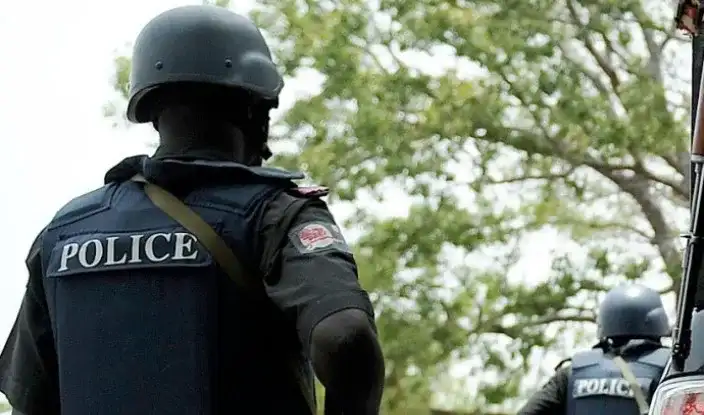
The controversy first erupted in 2024 when VeryDarkMan appeared in a video wearing what appeared to be police uniform while referring to himself as a Chief Superintendent of Police and declaring himself Nigeria’s number one online police officer. Authorities moved swiftly to arraign him on impersonation charges, arguing that his actions undermined the integrity of the force and could mislead members of the public. By November 2024, he had been granted bail in the sum of two million naira as the case wound its way through the judicial system.
Legal observers note that the prosecution’s failure to substantiate its case highlights ongoing tensions between traditional law enforcement institutions and the growing influence of social media personalities who position themselves as watchdogs and advocates for ordinary citizens. VeryDarkMan has cultivated a reputation for calling out perceived injustices and challenging powerful individuals and institutions, often using provocative tactics that blur the lines between activism, performance, and potential legal violations. His acquittal may embolden other online activists who employ similar confrontational strategies.
The striking out of the case also raises questions about prosecutorial standards and the evidentiary threshold required to pursue cases involving symbolic or performative acts on social media platforms. While Nigerian law clearly prohibits unauthorized use of police uniforms and insignia, proving criminal intent and actual impersonation in the context of online content creation presents unique challenges. Courts must balance protecting institutional authority against preserving space for satire, social commentary, and citizen journalism in an increasingly digital public sphere.
As VeryDarkMan resumes his activism without the shadow of pending criminal prosecution, his case is likely to become a reference point for future disputes involving social media personalities and state institutions. Whether this outcome will prompt clearer guidelines on what constitutes actionable impersonation in the digital age, or simply encourage more provocative boundary testing by online influencers, remains to be seen. What is certain is that the intersection of traditional law enforcement authority and new media activism will continue to generate friction, legal challenges, and public debate in Nigeria’s evolving democratic landscape.






Leave a comment