

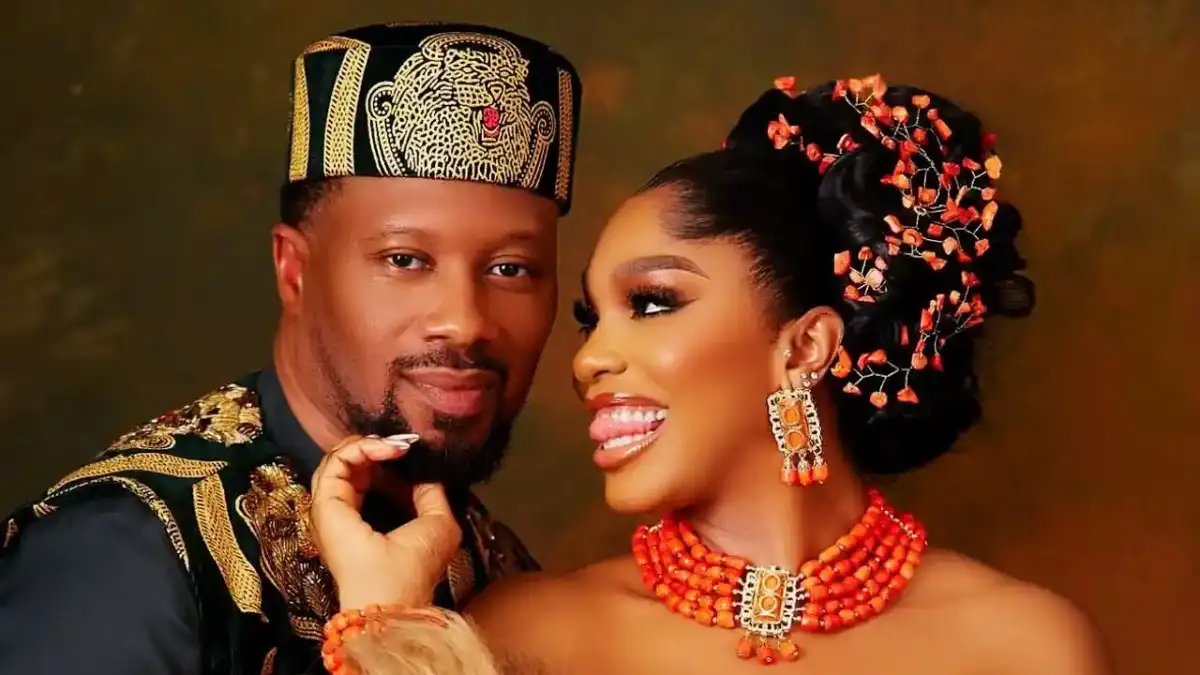
Nigerian streaming sensation Habeeb Hamzat, widely known as Peller, has ignited a firestorm of debate across social media platforms after insisting he remains poor despite the considerable wealth on display at his recent wedding celebration. The TikTok star, who married fellow content creator Jarvis in a ceremony that attracted celebrities and influencers from across the entertainment industry, made the eyebrow raising claim while showcasing stacks of dollar bills gifted to him by well wishers at the event.

In a video that quickly went viral, Peller held up bundles of cash and urged his millions of followers to stop labeling him as wealthy. “Stop saying I’m rich. I’m just a poor boy from Ikorodu,” he declared, referencing the Lagos suburb where he grew up. The statement struck many observers as paradoxical, given that he was literally displaying foreign currency received as wedding presents. The lavish ceremony itself featured an array of expensive gifts, celebrity attendees, and the trappings of considerable success in Nigeria’s thriving digital content creation industry.
Reaction to Peller’s humble declarations has been swift and polarized. Some fans interpreted his words as genuine humility, a refreshing trait in an industry often criticized for ostentatious displays of wealth. Others saw the statement as pure comedy, a tongue in cheek performance designed to entertain his aunce and generate the kind of viral engagement that fuels his career. One social media user captured the prevailing sentiment when asking, “If Peller is poor, then what are the rest of us?” Another chimed in with humor, writing, “This is the kind of poverty I want in my life.”

The incident highlights a broader conversation about wealth, authenticity, and relatability in Nigeria’s booming influencer economy. Content creators like Peller have built massive followings by presenting themselves as everyday people who happened to find success online. Maintaining that connection with ordinary Nigerians, even as their bank accounts grow, presents a delicate balancing act. Claiming poverty while displaying dollar bundles may seem contradictory, but it reflects the complex relationship between influencers and their aunces, who demand both aspiration and accessibility from the personalities they follow.
Peller’s rise from Ikorodu to internet stardom represents a modern Nigerian success story. Streaming platforms and social media have created unprecedented opportunities for young Nigerians to build careers outside traditional employment structures. His marriage to Jarvis, herself a successful content creator, represents a power couple dynamic that resonates with younger aunces navigating similar digital spaces. Yet the wedding’s grandeur, complete with prominent guests and expensive gifts, underscores just how lucrative content creation has become for top performers in the space.

Whether Peller’s statement was sincere humility, strategic branding, or simply entertainment remains open to interpretation. What seems certain is that the conversation around wealth, success, and authenticity in Nigeria’s digital creator economy will continue to evolve. As influencers accumulate real wealth while maintaining their connection to humble origins, striking the right tone becomes increasingly challenging. For now, Peller’s wedding and his subsequent declarations have ensured he remains at the center of online conversation, which in the attention economy, may be the most valuable currency of all.
You May Like

















Leave a comment