
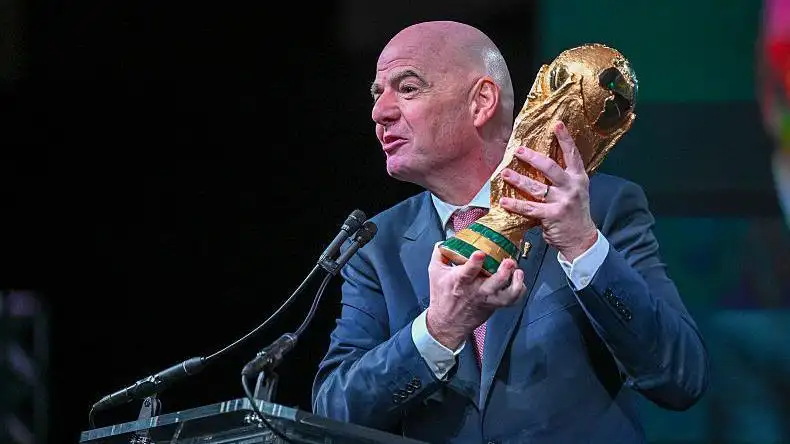
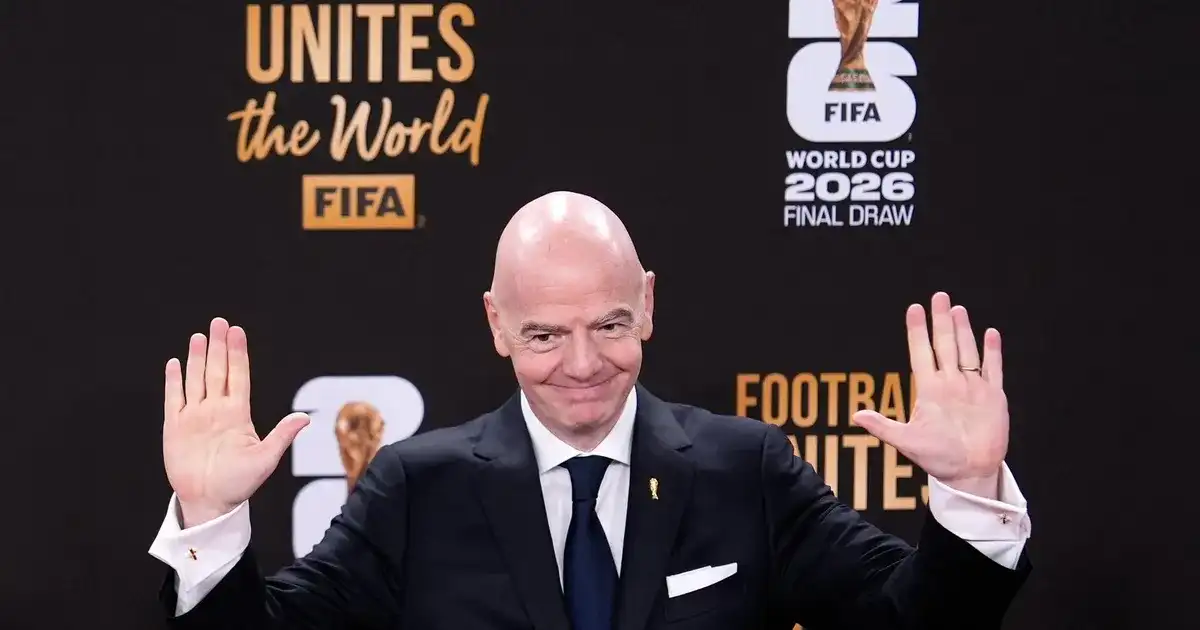
Real Madrid has issued a powerful statement commending UEFA for safeguarding football’s integrity after FIFA was forced to abandon deeply controversial plans to sell a stake in its World Cup operations to private investors. Opposition from three major continental confederations compelled the sport’s global governing body to retreat from the proposal, delivering a stinging defeat to president Gianni Infantino and raising serious questions about his leadership at a critical juncture for the game.
UEFA had taken the extraordinary step of threatening to boycott FIFA competitions entirely unless the privatization scheme was scrapped. European football’s governing body went even further by publicly declaring that Infantino had lost its confidence, a remarkable rebuke that exposed deep fractures within the sport’s power structure. Alongside UEFA, both CONCACAF, which oversees football in North and Central America and the Caribbean, and the Asian Football Confederation voiced strong opposition to what many viewed as a dangerous commercialization of the World Cup’s legacy.
The controversy centered on Infantino’s attempt to gain approval for FIFA Forward Enterprise, a newly proposed company designed to handle commercial and operational responsibilities for FIFA competitions, including both the men’s and women’s World Cups. Most alarming to critics was the plan to sell a 20 percent ownership stake to private investors, effectively allowing external financial interests to profit from competitions widely regarded as public heritage. Carlos Cordeiro, who served as Infantino’s senior adviser on global strategy and governance, resigned in protest over the matter, calling it a bad deal for football that would mortgage the sport’s future. Even FIFA’s own chief operating officer, Kevin Lamour, claimed the administration had been deceived about the true nature of the project.
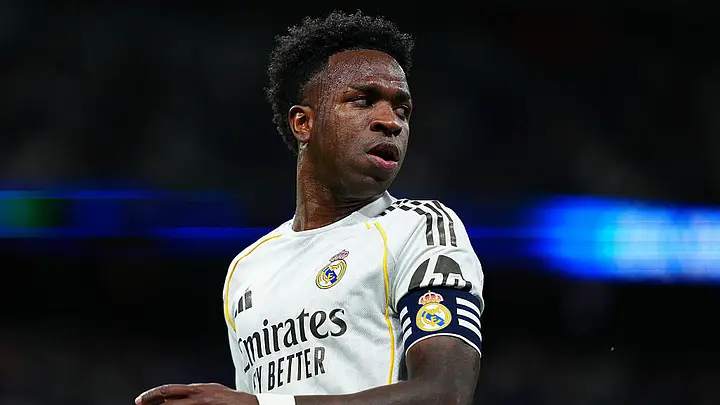
Real Madrid’s statement reflected the relief felt across much of the football world. The 15 time European champions called the decision good news for the sport, its institutions, and most importantly, the millions of passionate supporters who cherish the game. Their intervention carries particular weight given the club’s historic influence and status as one of football’s most powerful institutional voices.
At the heart of this dispute lies a fundamental philosophical question about who owns football’s most prestigious assets. Real Madrid’s statement made clear that clubs, as the entities that discover, train, and develop the players who grace World Cup stages, form the very foundation of international competition. National team football and the World Cup, according to this view, represent events of profound public interest and constitute a heritage belonging to nations, fans, and society as a whole, not financial commodities to be traded for private enrichment.

UEFA is now contemplating further action against Infantino, including the possibility of initiating a no confidence vote that would require support from 43 FIFA member nations to succeed. Whether such a dramatic step materializes remains uncertain, but the episode has already inflicted serious damage on Infantino’s authority and exposed the limits of his power when faced with united opposition from football’s major confederations. How FIFA proceeds from this humiliating retreat, and whether trust can be restored between the global body and its continental partners, will shape the governance of world football for years to come.




Leave a comment