
A senior figure in the African Democratic Congress has issued a stark warning to Nigeria’s ruling party, claiming the All Progressives Congress is actively working to undermine opposition unity out of fear of losing power in the 2027 general elections. Ogba Oghenevewogaga, speaking on News Central’s Breakfast Central program on Friday, accused the APC of orchestrating internal conflicts within the ADC while simultaneously predicting that his party would emerge stronger despite these alleged attempts at sabotage.

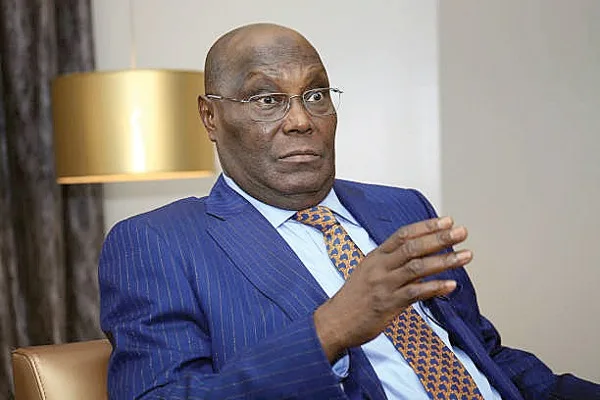
Oghenevewogaga asserted that the ADC, under the leadership of National Chairman David Mark and presidential candidate Atiku Abubakar, represents the only credible opposition force capable of challenging the ruling party. He claimed that whatever internal turmoil the ADC currently faces has been deliberately sponsored by the APC, reflecting what he characterized as genuine anxiety within government circles about the prospect of electoral defeat. The ADC chieftain emphasized that Nigerian citizens are increasingly dissatisfied with current governance and are actively seeking alternatives, positioning his party as the natural beneficiary of this discontent.
Beyond addressing party politics, Oghenevewogaga launched a blistering critique of recent government initiatives, particularly remarks attributed to First Lady Remi Tinubu regarding youth empowerment programs. He took issue with statements suggesting support for small scale businesses such as fried bean cakes and groundnut snacks, interpreting these proposals as evidence of a deliberate strategy to keep Nigerians trapped in cycles of poverty. Drawing a comparison to historical political figures, he invoked the legacy of Chief Obafemi Awolowo, citing the late leader’s vision that the children of domestic workers should have opportunities beyond following in their parents’ occupational footsteps.
The ADC representative painted a picture of systemic failure under current leadership, pointing to what he described as widespread suffering, food insecurity, and ineffective policy responses. According to his analysis, the ruling party has resorted to legal challenges and other mechanisms to maintain power while avoiding substantive engagement with the economic hardships facing ordinary citizens. His rhetoric suggested a deepening polarization in Nigerian politics as the country approaches another electoral cycle, with opposition parties framing the contest as fundamentally about economic opportunity and social mobility.
Oghenevewogaga’s comments reflect broader tensions within Nigeria’s political landscape, where opposition parties have struggled to present a unified front against the governing coalition. While the ADC positions itself as the primary alternative to APC rule, questions remain about whether opposition forces can overcome internal divisions and present voters with a coherent alternative vision. Recent reports of closed door meetings involving various political figures suggest ongoing negotiations about alliances and strategic positioning ahead of the 2027 campaign season.

As Nigeria’s political temperature rises in advance of the next general election, the battle for opposition leadership and credibility will likely intensify in coming months. Whether the ADC can translate its current positioning into electoral success remains uncertain, dependent on factors including the resolution of reported internal conflicts, the effectiveness of its messaging on economic issues, and its ability to build coalitions across Nigeria’s complex regional and ethnic divisions. What appears certain is that opposition parties sense vulnerability in the ruling coalition and intend to press their advantage as economic challenges continue to test public patience with the status quo.














Leave a comment