

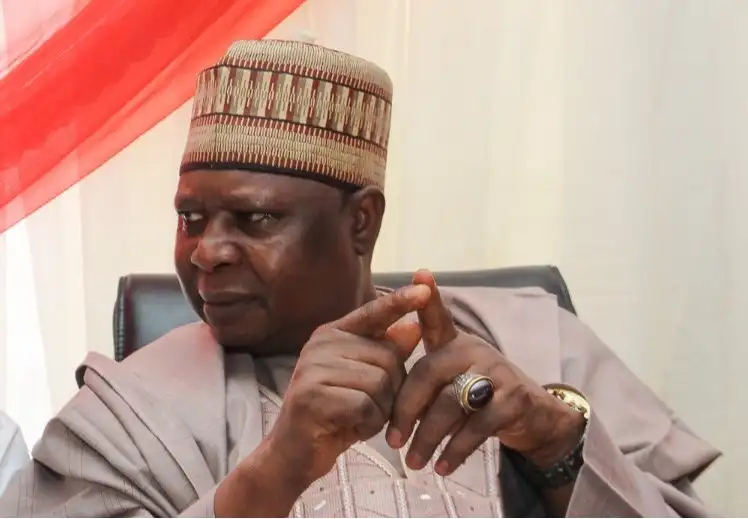
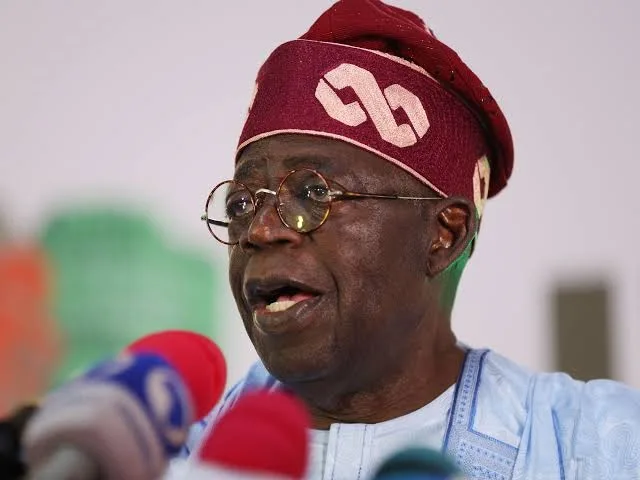
Former Ekiti State Governor Ayo Fayose has delivered a blunt assessment of the upcoming 2027 presidential race, declaring that President Bola Tinubu effectively faces no serious competition despite a crowded field of opposition candidates. Speaking to Channels Television, the outspoken politician argued that the fragmentation of opposition forces has all but guaranteed the incumbent another term in office, regardless of mounting concerns about security and economic hardship across the nation.

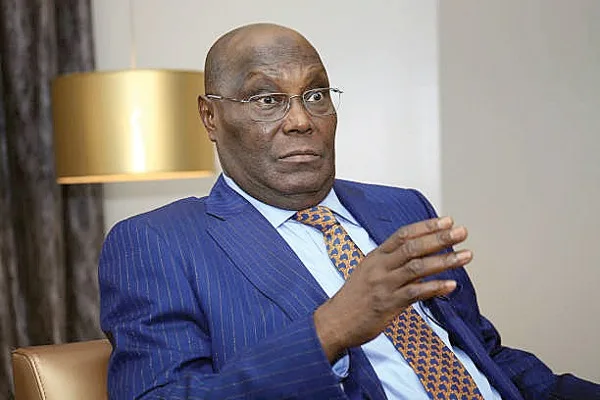
Fayose’s provocative comments come at a time when Nigeria grapples with deteriorating security situations in multiple states, including recent incidents in Oyo and Kwara, alongside widespread hunger and economic challenges that have tested public patience with the current administration. Yet the former governor maintains that social media noise does not translate to electoral reality, drawing a sharp distinction between online criticism and the ground situation that will determine the 2027 outcome. His assertion that Tinubu is running virtually unopposed may surprise observers who have watched a parade of prominent candidates declare their intentions, including former Vice President Atiku Abubakar now running under the African Democratic Congress, Peter Obi who has moved to the Nigerian Democratic Congress, Oyo State Governor Seyi Makinde representing the Allied People Movement, and activists like Omoyele Sowore alongside several others.
The fragmentation of opposition parties lies at the heart of Fayose’s analysis. He pointed out that the same critics who once accused Tinubu of promoting a one party state have now splintered into numerous political vehicles, effectively destroying their collective bargaining power. Atiku and Obi, who previously challenged Tinubu in what many described as a competitive three horse race in the last election, now find themselves leading separate parties rather than presenting a unified front. Fayose suggested that had the opposition coalition remained intact and fielded a single candidate from one party, Tinubu might have faced a genuine challenge for his political survival. Instead, the proliferation of parties and candidates has created a scenario where the opposition vote will likely be divided among multiple contenders, clearing an easy path for the incumbent.
Particularly noteworthy is Fayose’s prediction that Tinubu will perform strongly even in the Southwest, a region some analysts believed might punish the president for unmet expectations. Multiple candidates with southwestern connections have entered the race, leading to speculation that vote splitting could work against the president in his home region. Fayose dismisses such theories, insisting that the opposition’s strategic errors have neutered any potential threat they might have posed. His comments reflect a calculating political mind assessing the structural dynamics of Nigerian electoral politics, where party platforms and coalition building often matter more than individual candidate appeal or policy positions.
The former governor’s analysis also touches on a recurring pattern in Nigerian politics, where opposition fragmentation has historically benefited incumbents and well organized political machines. Despite legitimate grievances about governance, security failures, and economic management, electoral success requires not just popular discontent but effective political organization and strategic unity. Fayose suggests the current opposition has failed this fundamental test, choosing the path of individual ambition over collective strength. His assertion that there is a difference between reality and social media noise serves as a reminder that online activism and actual voter mobilization remain distinct phenomena in Nigerian politics.

As Nigeria moves c to the 2027 electoral cycle, Fayose’s pronouncement will likely fuel debate about opposition strategy and the realistic prospects for unseating an incumbent with significant institutional advantages. Whether his confident prediction proves accurate will depend on numerous factors, including the opposition’s ability to possibly consolidate before election day, the administration’s performance on security and economic issues in the intervening period, and the effectiveness of campaign strategies yet to unfold. What remains clear is that unless the opposition can overcome its current fragmentation, Fayose’s forecast of an easy Tinubu victory may well materialize, regardless of how many candidates ultimately appear on the ballot.











Leave a comment