
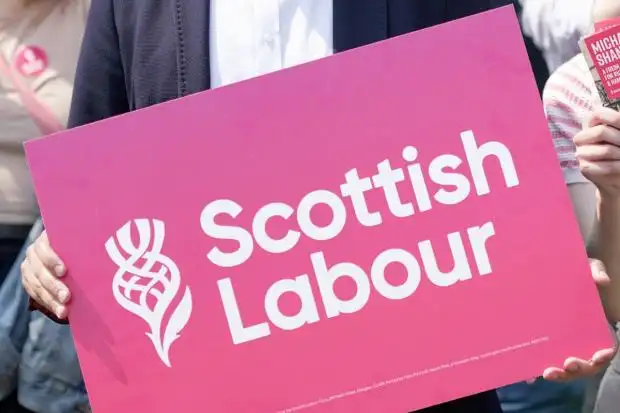
Scottish Labour has just recorded its worst electoral performance since devolution began, a sobering milestone that extends a pattern of decline stretching back more than a decade. The May 2026 Holyrood election results represent not just a defeat but a strategic failure that reveals how the party continues to struggle with the fundamental challenges of Scottish politics. While Labour leader Anas Sarwar faced the press to account for the disappointing outcome, the defeat raises uncomfortable questions about whether the party has learned anything from two decades of setbacks.

Context matters enormously in understanding Scottish Labour’s fortunes, and the backdrop of UK politics has consistently undermined the party’s prospects north of the border. Academic analyses of previous elections in 2007 and 2011 highlighted valence issues and perceptions of competence as key factors in Labour losses to the SNP, but voter judgements about which party best represents Scottish interests have proven equally decisive. In 2007, anger over the Iraq war damaged Labour’s standing. In 2011, Scottish voters who had supported Gordon Brown in the general election found themselves governed by David Cameron instead, allowing the SNP to argue convincingly that only they could stand up for Scotland. Jeremy Corbyn’s leadership alienated voters concerned about Europe, NATO and the union in 2016, while Boris Johnson’s premiership during the pandemic shaped the 2021 contest. This year, Keir Starmer’s two year old Labour government became the albatross around Scottish Labour’s neck, with controversial decisions on winter fuel payments and welfare reform driving core voters away at precisely the wrong moment.
Recognizing this historical pattern should have prepared Scottish Labour for 2026, but instead the party made critical strategic errors that compounded its difficulties. The first major mistake was attempting to fight the election solely on devolved issues and the SNP’s domestic record while ignoring the UK dimension entirely. Campaign strategists apparently believed they could persuade voters to compartmentalize their voting decisions, separating their feelings about Starmer’s government from their assessment of Sarwar’s alternative. This proved a catastrophic miscalculation. Voters think with their gut, and no amount of rational argument about constitutional competencies was going to ce that fundamental reality.

By refusing to engage with UK policy issues, Scottish Labour denied itself the opportunity to highlight genuine achievements that could have resonated with voters. Enhanced workers’ rights represented exactly the kind of progressive policy that should appeal to Labour’s traditional base. Interest rate cuts were gradually reducing mortgage costs for homeowners across the country. Extra spending on England’s NHS, breakfast clubs and additional needs support was generating substantial Barnett consequentials for Scotland, money that Labour had guaranteed in perpetuity as the party of devolution. There was even an opening to talk about defense spending creating high quality sed jobs and apprenticeships in Scotland, echoing Labour’s proud industrial heritage. All of these opportunities went unexploited because the campaign strategy treated UK issues as radioactive rather than selectively engaging with the positive elements.
The strategic tunnel vision allowed voters to reach a damaging conclusion: they might be disappointed with the SNP’s record in government, but they were genuinely angry at Labour. First Minister John Swinney faced an electorate that felt let down but not enraged, a crucial distinction in electoral politics. Labour’s second major error compounded the first by focusing exclusively on winning constituency seats at the expense of any coherent regional list strategy. Party planners identified 38 target constituencies spanning seats to defend like arton and Edinburgh Southern alongside potential gains, calculating that winning a majority of the 73 constituency seats represented their path to power. The proportional representation system that governs Holyrood elections renders such narrow strategic thinking dangerous, yet Labour failed to develop a backup plan for the regional lists that could have salvaged a better overall result.

Looking ahead, Scottish Labour faces a reckoning about whether it can break this cycle of decline or whether structural factors make recovery impossible while tied to an unpopular UK party. The 2026 result suggests that devolution creates unique challenges for Labour that the party has yet to solve, caught between needing to differentiate itself from Westminster while also defending a Labour government’s record. Until Scottish Labour develops a more sophisticated strategy that acknowledges rather than ignores the UK dimension, that selectively engages with both devolved and reserved policy areas, and that understands the mechanics of the electoral system it operates under, the party seems destined to continue its slow fade from Scottish political life. The question now is whether new leadership or new thinking can emerge before the damage becomes irreversible.












Leave a comment