

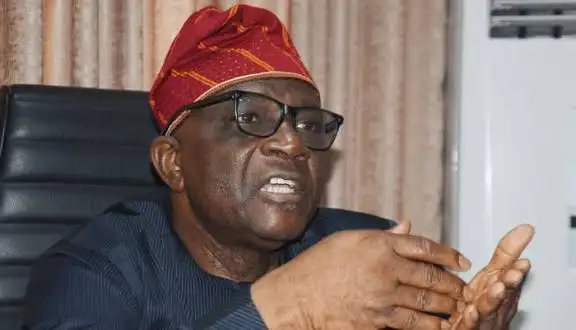
“Social media influencer VeryDarkMan has unleashed a scathing on presidential aide Bayo Onanuga following threats of prosecution over an alleged AI-generated audio clip of President Tinubu.”,
“content”:
Nigerian social media critic Martins Vincent Otse, widely recognized by his moniker VeryDarkMan, has launched a blistering verbal assault on presidential spokesman Bayo Onanuga following government threats to prosecute him over an allegedly fake audio clip of President Bola Ahmed Tinubu.
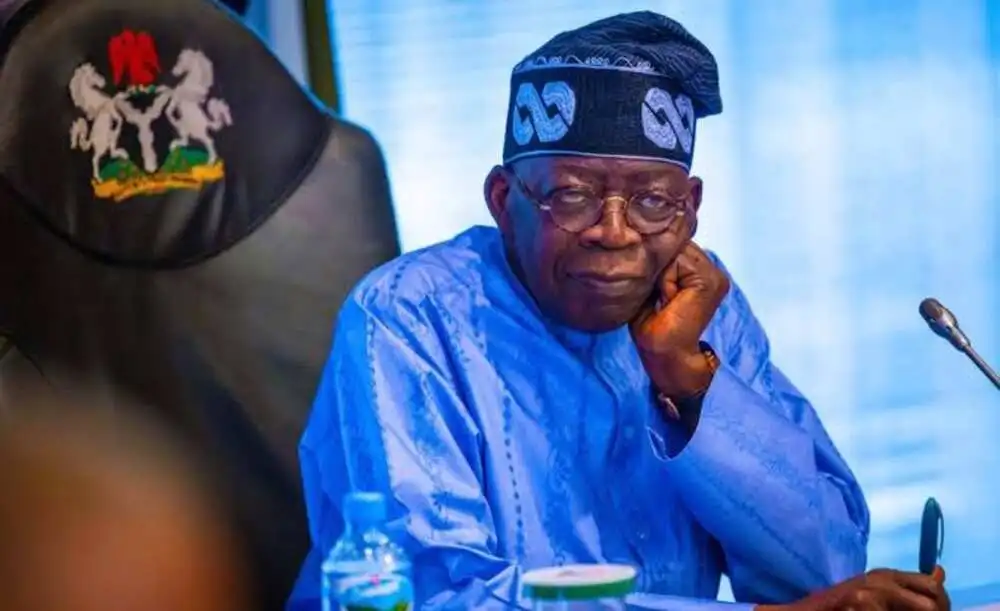
The confrontation, which has ignited fierce debate across social media platforms, centers on an artificial intelligence generated audio recording that purportedly features the President making inflammatory statements about the nation’s deteriorating security situation. VeryDarkMan’s response has been uncompromising, refusing to back down despite facing potential legal consequences.
The controversy erupted after an X user shared allegations that VeryDarkMan had disseminated an AI manipulated audio clip in which a voice resembling President Tinubu supposedly claimed that insecurity would persist in Nigeria because citizens had not voted for him in the 2023 presidential election.
On Wednesday, the Presidency formally announced its intention to pursue legal action against the social media personality, marking a significant escalation in tensions between government officials and online critics. The development has raised questions about free speech, digital manipulation, and the boundaries of political commentary in an increasingly polarized online environment.
In a video response posted to his social media accounts, VeryDarkMan did not attempt to defend the controversial audio clip but instead redirected attention to what he characterized as more pressing national concerns. He specifically highlighted the recent kidnapping of teachers and students in Oyo State, an incident that he claims has been met with deafening silence from government spokespersons. According to the activist, one of the abducted teachers was reportedly beheaded while the remaining victims continue to languish in captivity. His critique centered on what he perceives as misplaced priorities by the administration.
VeryDarkMan’s language toward the presidential spokesman was deliberately provocative and unfiltered. He referred to Onanuga using terms such as “” and “daft,” arguing that such descriptors accurately reflected the spokesman’s handling of critical national issues.
The social media critic expressed frustration that government officials appeared more concerned with policing online content than addressing tangible security threats facing ordinary Nigerians. His comments reflect a broader sentiment among some segments of the public who feel that the administration has not adequately responded to the country’s escalating kidnapping crisis.
The timing of the controversy carries particular significance, coinciding with Children’s Day while abducted students reportedly remain in an unknown location.
VeryDarkMan emphasized this detail in his response, questioning why presidential communications focused on prosecuting social media personalities rather than providing updates on rescue operations or security measures. Among the kidnapping victims was a teacher carrying an infant child, a detail that has amplified public sympathy and concern. Security analysts have noted that kidnappings targeting educational institutions have become increasingly frequent across several Nigerian states, creating a climate of fear that has disrupted academic activities in vulnerable regions.
As this situation continues to unfold, attention now shifts to whether the Presidency will follow through on its prosecution threats and how law enforcement agencies will navigate the complex questions surrounding artificial intelligence, misinformation, and political speech. Legal experts suggest that prosecuting cases involving AI generated content presents unique challenges, particularly when determining intent and elishing clear chains of responsibility.
Beyond the immediate legal questions, this confrontation highlights the growing tension between Nigeria’s digital native generation of commentators and traditional political elishments. Whether this incident sparks broader conversations about security priorities, government accountability, and the regulation of AI manipulated content remains to be seen, but it has undeniably captured national attention at a moment when public trust in institutions appears increasingly fragile.
“VeryDarkMan, Bayo Onanuga, President Tinubu, AI audio, Nigeria security, kidnapping, social media, controversy.















Leave a comment