

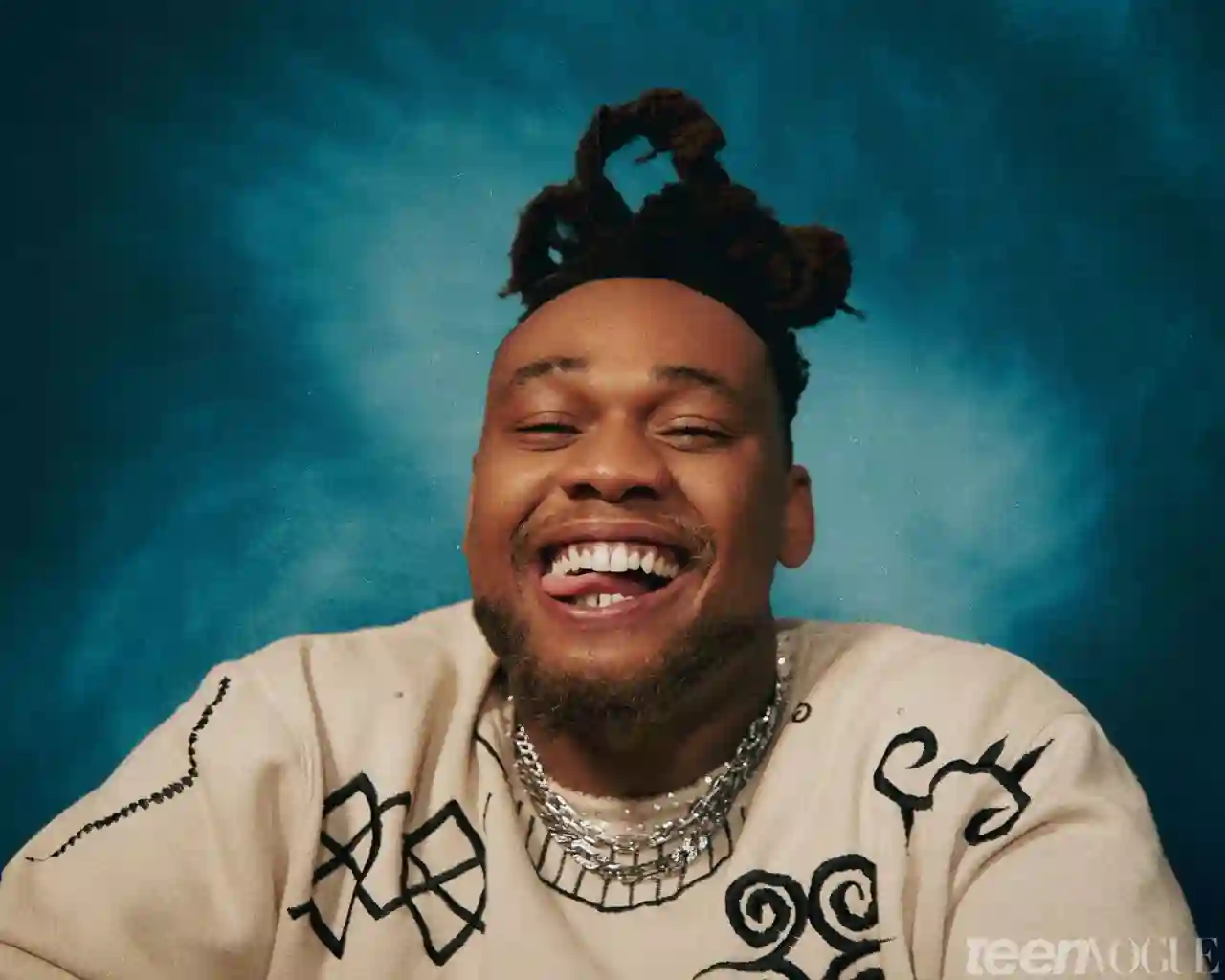
Afrobeats sensation Daniel Benson, known professionally as BNXN, has ignited fresh conversation about the economic realities facing African musicians by asserting that Nigerian artists lag far behind American basketball players in terms of wealth accumulation. Speaking candidly during a recent livestream session, the singer behind the hit track ‘Finesse’ drew on his personal friendships with NBA players to paint a sobering picture of the financial disparity between the two entertainment industries.
BNXN did not mince words when addressing the long running debate about whether musicians or athletes command greater wealth. While acknowledging that footballers occupy an elite financial tier, he insisted that NBA players possess fortunes that dwarf those of most musicians in the Afrobeats scene. His comments offer a rare glimpse into the economic architecture of global entertainment, where American sports franchises and their television deals create wealth on a scale that remains largely inaccessible to artists from emerging markets.
During his conversation with popular streamer Ojo, the artist elaborated on his observations with specific examples. He referenced NBA star Jaylen Brown, a player whose contract with the Boston Celtics runs into hundreds of millions of dollars, as emblematic of the astronomical earnings available to top tier American basketball players. According to BNXN, his direct interactions with several NBA athletes have revealed a level of wealth accumulation that Nigerian musicians, despite their international success and streaming numbers, have yet to approach.
The revelation comes at a moment when Afrobeats has achieved unprecedented global visibility, with artists like Burna Boy, Wizkid, and Davido headlining major international festivals and securing lucrative brand partnerships. Yet BNXN’s candid assessment suggests that mainstream recognition and commercial success in the music industry do not necessarily translate to the kind of generational wealth that professional athletes in elished American leagues routinely secure. Structural differences between the industries, including guaranteed multi year contracts in professional sports versus the more unpredictable revenue streams in music, may account for much of this gap.
Furthermore, the singer’s comments highlight broader questions about wealth distribution in the global entertainment economy. While Afrobeats continues to expand its footprint across continents, attracting billions of streams and filling arenas worldwide, the financial infrastructure supporting African artists remains less developed than the machinery behind American professional sports. Endorsement deals, merchandising operations, and media rights in the NBA operate at a scale built over decades of institutional investment, creating an ecosystem that systematically generates wealth for its participants.
As Afrobeats solidifies its position as a dominant force in global popular music, artists and industry stakeholders will likely continue grappling with how to convert cultural influence into commensurate financial power. BNXN’s frank assessment may serve as a catalyst for deeper conversations about revenue models, intellectual property protections, and the infrastructure needed to ensure that African artists can capture a fair share of the value they create. Whether the next generation of Nigerian musicians can close this wealth gap will depend not just on their talent and popularity, but on the evolution of the business structures that underpin their industry.
You May Like












Leave a comment