

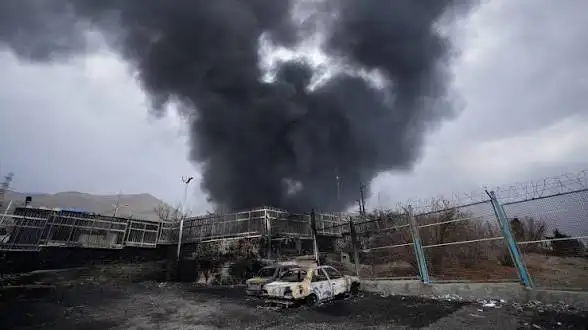
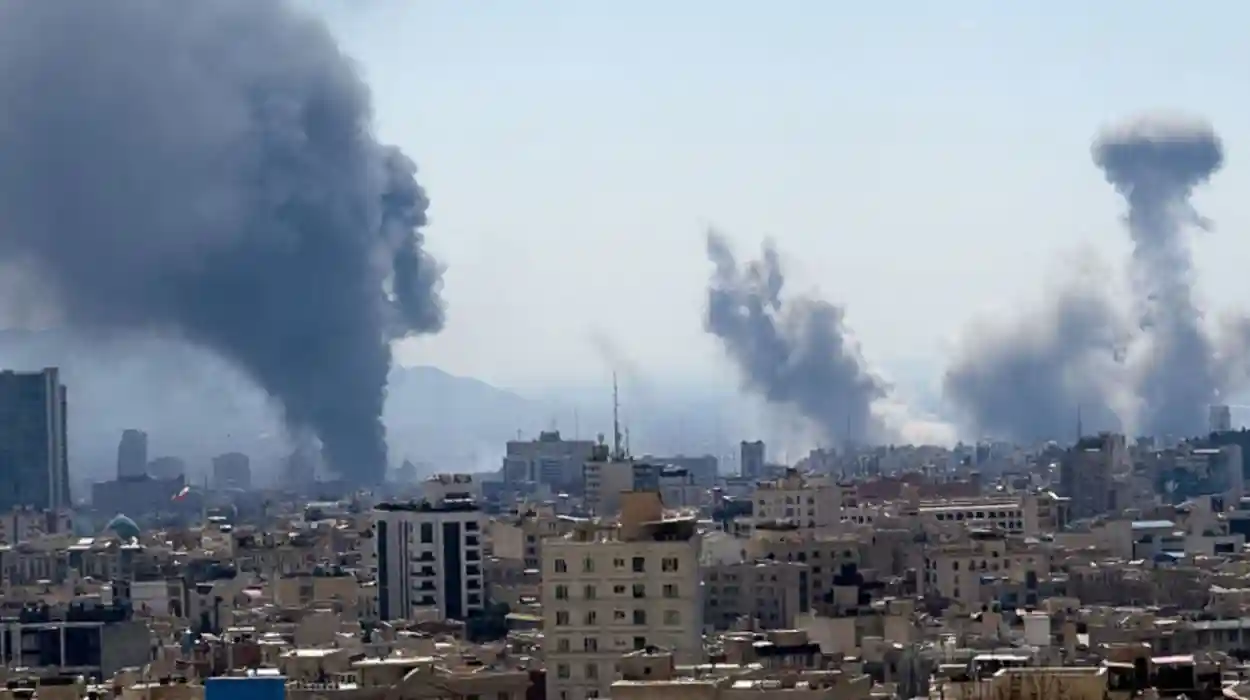
Officials in Washington have issued a warning that Iranian oil infrastructure could face further military pressure if disruptions to international shipping continue in key maritime corridors. The statement reflects growing frustration within the United States government over threats to commercial vessels moving through strategic waterways linked to global energy supply. The warning signals a potential expansion of the confrontation into sectors that directly support Iran’s energy economy.
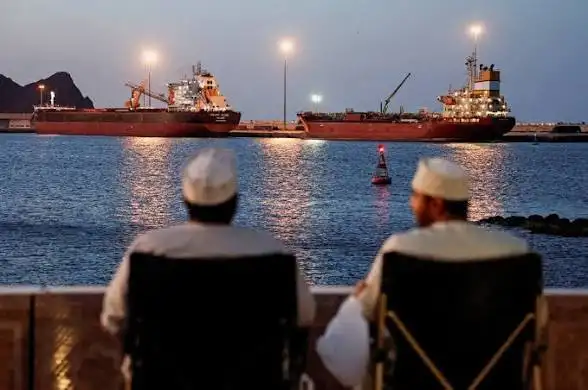
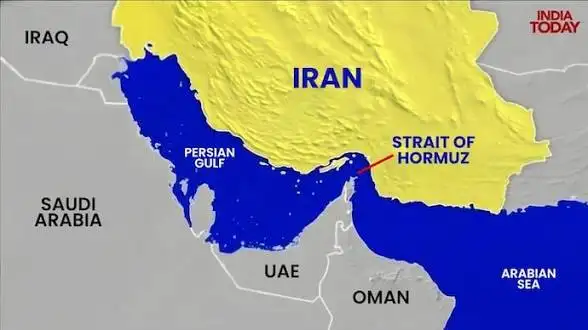
Government representatives said the message was intended to deter further interference with shipping routes used by international trade. The Strait of Hormuz and surrounding waters serve as one of the most important maritime passages for crude oil transportation, and any sustained disruption has the potential to create ripple effects across global energy markets. Officials emphasized that maintaining safe navigation for commercial vessels remains a priority for the United States and its partners.

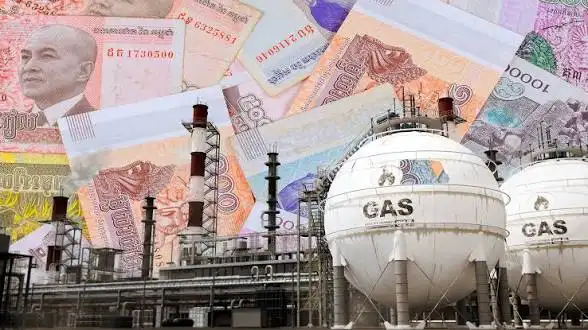
Energy infrastructure within Iran includes export terminals, pipeline networks, storage facilities, and loading platforms that connect the country’s oil fields with international markets. Analysts say these assets are deeply integrated into the national economy and represent significant strategic leverage during times of confrontation. A direct threat to these facilities therefore carries economic as well as political implications for the Iranian government.
Strategic experts note that warnings directed at energy infrastructure are often designed to influence behavior without immediate military escalation. By signaling potential consequences in advance, policymakers attempt to create pressure that could encourage restraint in maritime operations. However, such statements can also raise tensions by introducing the possibility that key economic assets may become involved in the conflict.
Diplomatic observers say the situation remains delicate as governments attempt to balance deterrence with efforts to prevent wider disruption across global trade routes. The continued movement of oil tankers and cargo vessels through the Persian Gulf remains critical for international energy security. As tensions persist, policymakers and market analysts alike are closely watching developments that could shape the future direction of the confrontation.












Leave a comment