

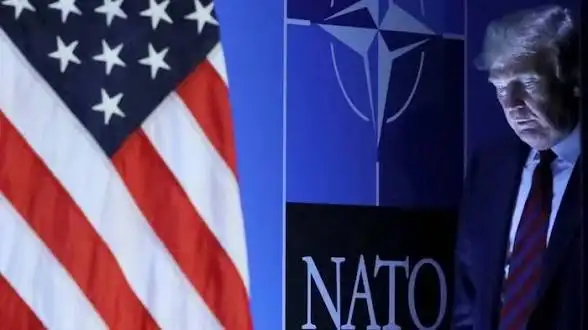
Allied governments within NATO are expressing divergent positions regarding support for recent United States measures involving Iran, revealing strategic and political differences across the transatlantic bloc. Officials described ongoing consultations, emphasizing alliance unity while acknowledging varied national constraints, parliamentary oversight requirements, and public opinion pressures shaping policy choices during heightened regional tension and security reassessment.
Diplomatic representatives said internal discussions focus on proportional responses, legal mandates, and long term regional consequences. Some member states favor firm alignment with Washington, citing deterrence credibility and defense cooperation frameworks. Others advocate caution, urging de escalation pathways and multilateral mediation. The resulting spectrum of views underscores the complexity of consensus building within large security coalitions.
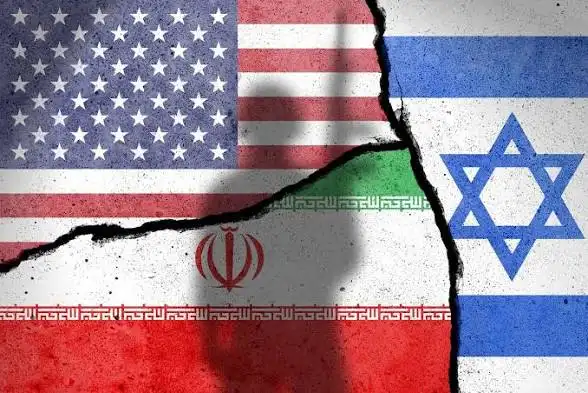
Several governments emphasized constitutional procedures that require legislative approval before endorsing external military involvement. Coalition leaders briefed lawmakers on intelligence assessments, alliance commitments, and operational risk profiles. Public debates reflected differing historical experiences and energy dependencies, which influence national priorities. Policy analysts noted that domestic accountability mechanisms frequently shape alliance level outcomes.
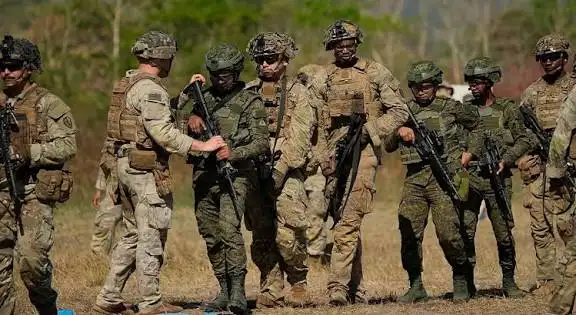
Meetings at alliance headquarters in Brussels continued with working groups examining logistics readiness, force posture implications, and contingency planning. Defense ministers reviewed interoperability standards and resource allocations. Officials stressed preparedness without pre committing to specific roles. Observers described the atmosphere as measured, with emphasis on coordination rather than rapid unified declarations.
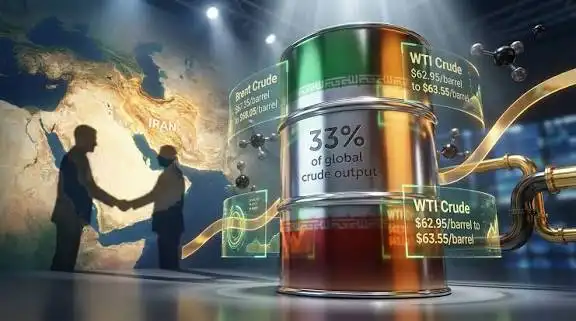
Economic considerations also featured prominently as energy markets and trade routes remain sensitive to regional developments. Finance ministries assessed exposure to price volatility and supply chain disruption. Maritime authorities reviewed shipping advisories and insurance conditions. Experts said economic resilience planning increasingly intersects with defense policy, especially for import dependent member states.
Political leaders engaged partners beyond the alliance, including the European Union, to align diplomatic messaging and sanctions frameworks where applicable. External relations teams explored mediation channels and humanitarian coordination. Analysts suggested broader institutional cooperation could ease pressure on the alliance by distributing responsibilities across complementary organizations and policy instruments.
Strategists said alliance cohesion ultimately depends on balancing collective defense principles with national sovereignty considerations. Continued dialogue, transparent intelligence sharing, and clearly defined objectives were cited as essential for maintaining trust. Observers concluded that flexible coordination mechanisms may allow practical cooperation even when unanimous political endorsement remains out of reach.













Leave a comment