

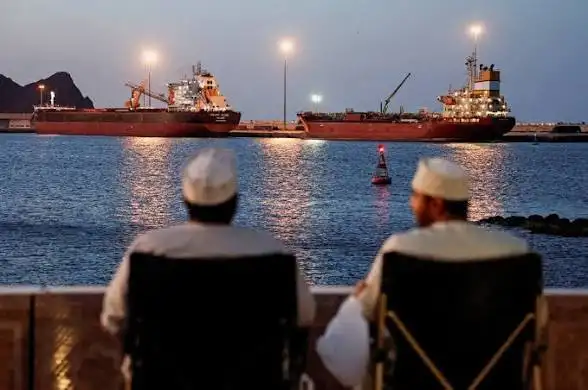
Commercial tanker traffic moving through the Strait of Hormuz has declined as shipping companies reassess risks linked to the ongoing confrontation involving Iran and its regional rivals. The waterway serves as one of the most critical channels for the movement of crude oil and petroleum products from Gulf producers to global markets. With tensions continuing across the Middle East, many shipping operators have begun delaying or rerouting voyages while monitoring the evolving security situation.
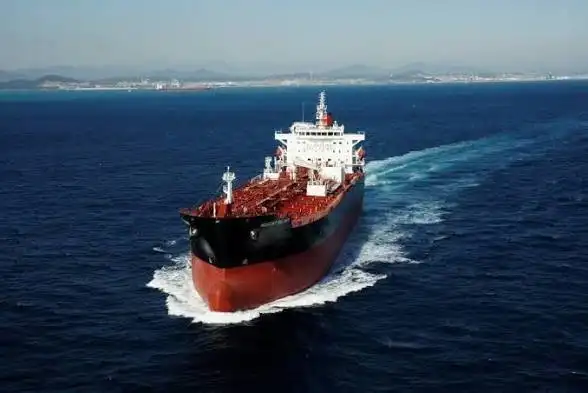
Maritime tracking services and industry analysts report that the reduction in tanker movement reflects growing caution among shipping firms and cargo owners. Some vessels have slowed their schedules or remained outside the Gulf while awaiting clearer security guidance. Insurance providers that cover maritime cargo have also reviewed risk assessments for ships traveling through the corridor, contributing to rising costs for operators that choose to continue using the route.
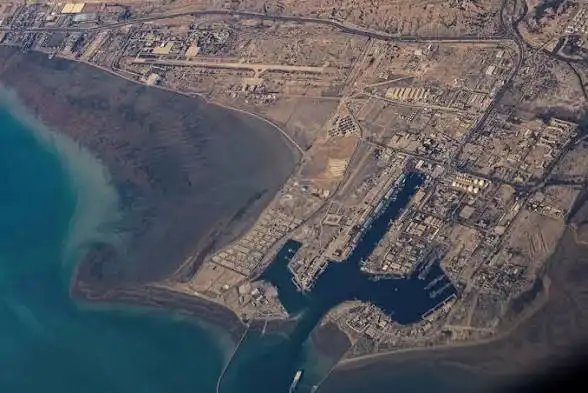
The decline in tanker movement has drawn attention from governments that rely on le oil imports. Energy officials in several major economies are closely following developments as the flow of crude through the Strait of Hormuz plays a central role in maintaining global supply. Although shipments have not stopped entirely, even a moderate reduction in traffic can create uncertainty in energy markets, particularly when tensions remain high.
Naval forces from multiple countries have increased their presence in surrounding waters in an effort to reassure commercial shipping companies. These patrols are designed to monitor vessel movement and respond to any incidents that might threaten the safety of international trade. Security specialists say that the coordination between naval forces and commercial operators will be critical in determining whether tanker traffic begins to recover in the coming period.
Industry observers note that tanker routes through the Strait of Hormuz have historically remained active even during periods of political tension. However, the current situation has introduced a new level of caution among shipping firms that must weigh financial risk against the need to deliver energy supplies to global customers. As diplomatic discussions continue and security operations expand, the future flow of tankers through the region remains closely watched by markets, governments, and the international shipping community.
















Leave a comment