

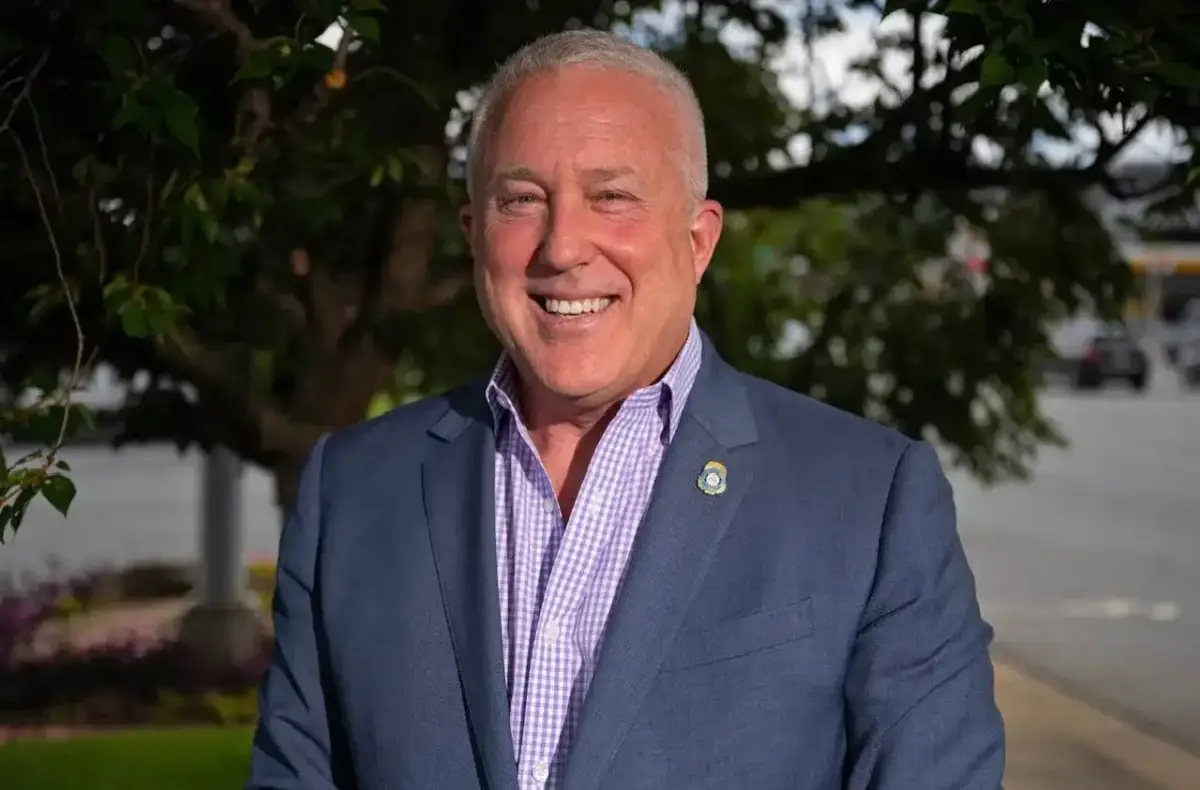
Recent public disputes between US ambassadors and European officials illustrate a shift in diplomatic norms under the Trump administration. Bill White, the US ambassador to Belgium, publicly accused the country of antisemitism over a judicial investigation of three Jewish ritual circumcisers, or mohels, in Antwerp. White demanded intervention from Belgium’s health minister, Frank Vandenbroucke, describing the case as “ridiculous and anti-Semitic.” Belgium’s foreign minister, Maxime Prévot, condemned White’s statements as “false, offensive, and unacceptable,” emphasizing that ambassadors must respect the independence of national institutions. White was summoned to explain his remarks.
Similar incidents have occurred elsewhere. Charles Kushner, US ambassador to France, criticized President Emmanuel Macron for allegedly failing to curb antisemitism. In Poland, US ambassador Tom Rose cut ties with the speaker of the Sejm, Włodzimierz Czarzasty, after the politician disparaged former President Trump. Prime Minister Donald Tusk rebuked Rose, stressing that allies should respect each other, but Rose insisted he would always defend his president.
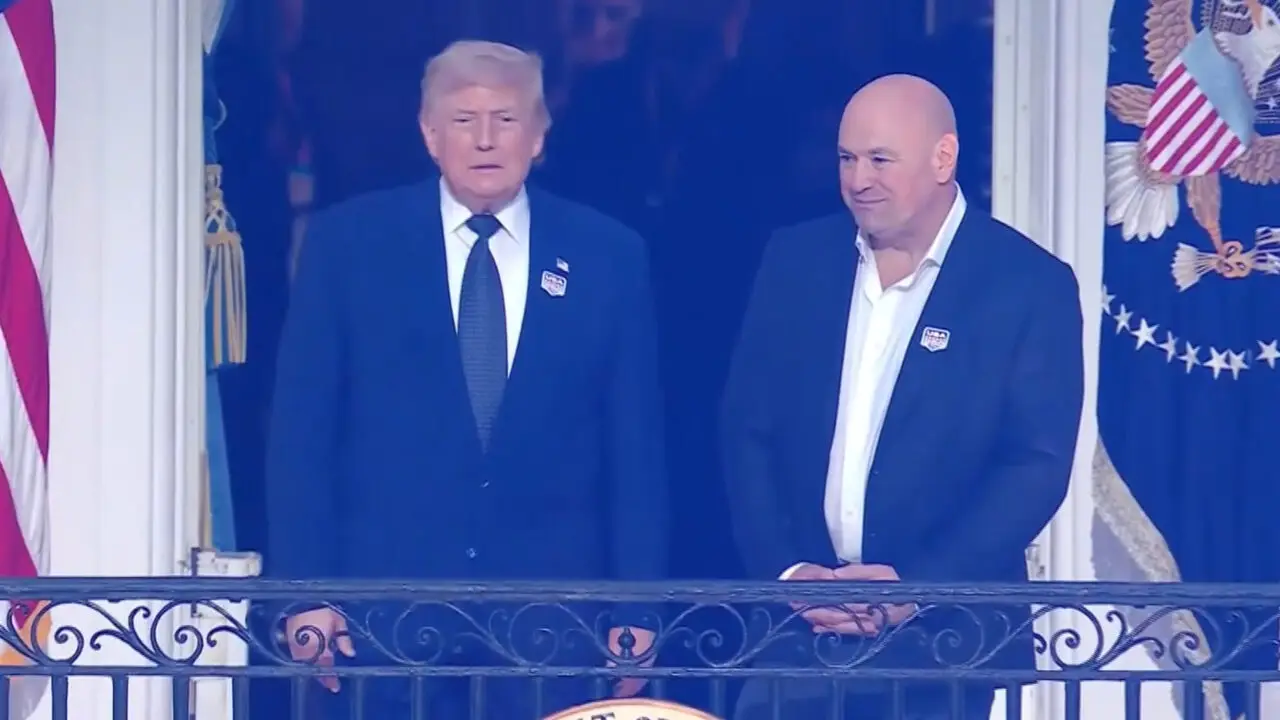
Experts say these incidents mark a departure from traditional diplomacy, where tact and behind the scenes negotiation are prioritized. Daniel Fried, a former US ambassador to Poland, noted that diplomats are expected to advance their president’s agenda without publicly picking fights on foreign soil. Under Trump’s administration, however, ambassadors may feel pressure to respond forcefully to perceived slights, reflecting the administration’s “thin skinned” approach.
Fried contrasted this style with the Bush era example of Spain, where President George W. Bush avoided personalizing political criticism abroad, instead maintaining broader strategic engagement. Analysts caution that Trump era tactics risk alienating allies and undermining long-term partnerships, even as they reflect a strategy of projecting toughness and loyalty to the president.
The recent disputes highlight the tension between traditional diplomatic norms and a more confrontational, personalized US foreign policy, leaving European governments navigating a new era of public, sometimes provocative, transatlantic diplomacy.
You May Like



















Leave a comment