


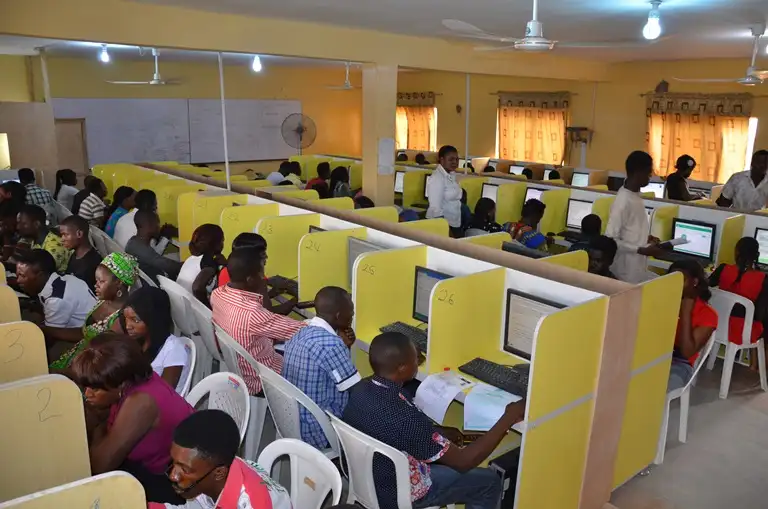
A seismic shift is underway in America’s technology sector, where thousands of previously resistant workers are organizing just as federal regulators abandon their posts to join the companies they once oversaw. Over 8,400 information technology employees across the University of California system have now formed what stands as the nation’s largest tech worker union, a milestone that arrives amid mounting evidence that oversight agencies meant to protect the public have been systematically dismantled to serve private interests.
The successful unionization campaign brought thousands of UC system IT employees into the University and Professional Technical Employees union, expanding membership that already included over 6,000 tech workers. For decades, Silicon Valley firms successfully discouraged collective bargaining by offering lavish perks and promoting an entrepreneurial culture that treated unions as relics of an industrial past. Recent years have shattered that consensus. Workers at Google formed the Alphabet Workers Union in 2021, though without full bargaining power. Employees at Kickstarter, the New York Times tech desk, and Google’s DeepMind headquarters in London have all voted to organize, signaling that the industry’s immunity to labor movements may be ending.

Yet even as workers gain ground, a far more troubling story of institutional corruption has emerged at the Commodity Futures Trading Commission. According to a major investigation, the federal watchdog designed to protect investors and maintain fair markets has been systematically compromised to benefit companies with direct ties to the Trump family business empire. Three firms seeking approval for prediction market operations received extraordinary assistance from senior agency officials despite serious concerns from career staff about fraud protections and fair treatment of small investors.
Caroline Pham, who served as acting chairman of the CFTC, personally intervened alongside her senior counsel to expedite approvals for companies including Crypto.com, Polymarket, and an off of Gemini. Career officials had flagged substantive concerns about each application. Staff worried whether Crypto.com treated retail customers fairly, whether Polymarket had adequate safeguards against fraud, and whether the Gemini affiliate had completed mandatory reviews. Those objections were swept aside. Within sixteen months of taking control, the Trump administration shrunk the agency workforce, purged experienced regulators, sharply curtailed enforcement actions against cryptocurrency firms, and approved virtually every prediction market request that crossed their desks.
What makes this regulatory capture particularly brazen are the financial interests at stake. The Trump family has launched its own digital currencies, generating enormous personal wealth while striking commercial deals with prediction market operators. Donald Trump Jr. serves as a paid strategic advisor for Kalshi and holds major investments in Polymarket while also advising the company. Federal resources and the authority of a regulatory agency meant to serve the public interest have been redirected to protect private investments held by the first family. After leaving government service, Pham took a position with a crypto company partnered with Polymarket, while her senior counsel Brigitte Weyls joined a prediction market firm whose application she had personally shepherded through approval.
The twin developments reveal a technology sector under profound stress, where workers increasingly see unionization as their only protection even as the regulatory apparatus meant to constrain corporate excess collapses into clientelism. Federal agencies once staffed by career professionals applying consistent standards have been transformed into mechanisms for enriching politically connected firms. Meanwhile, employees who once believed individual negotiation and company largesse would secure their futures now recognize that collective action offers the only counterweight to concentrated power. Whether organized labor can expand fast enough to check an industry that has captured its regulators remains the central question facing American technology workers and the millions who depend on fairly functioning markets.




















Leave a comment