

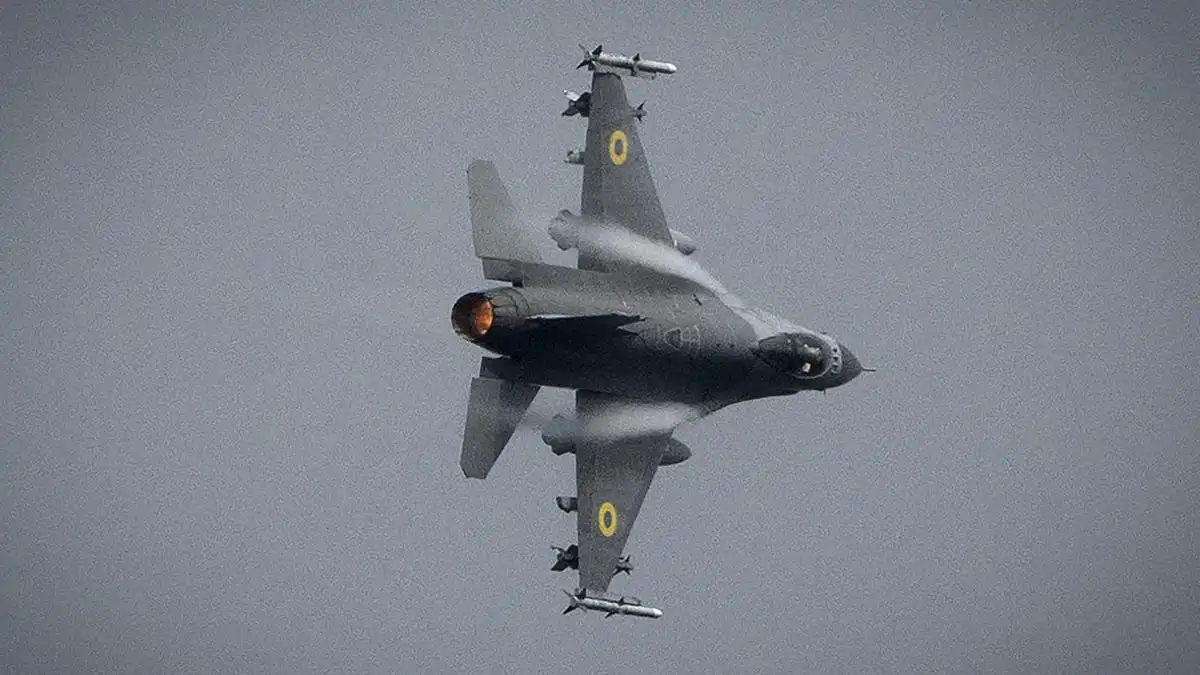
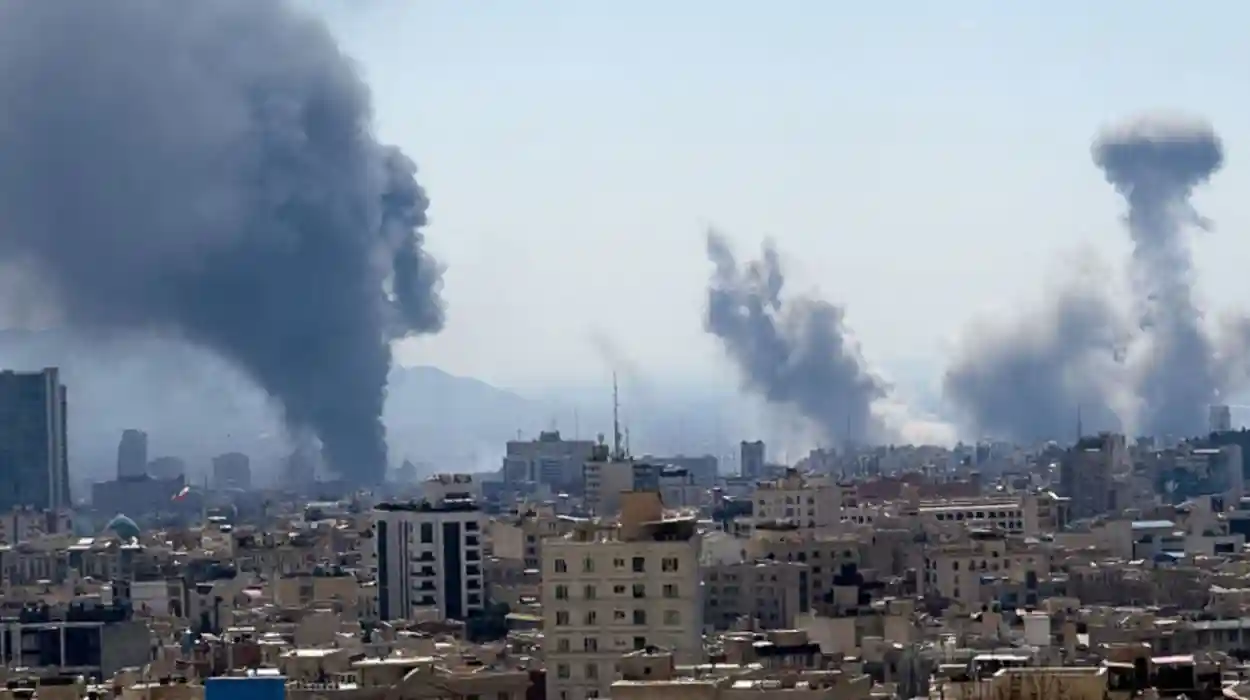
A catastrophic twin earthquake has shattered Venezuela’s capital, triggering an unprecedented US military response as the death toll climbs beyond 235 and rescue teams race against time to locate survivors trapped beneath collapsed buildings. American warships, transport aircraft, and helicopters are now converging on the devastated nation in what marks one of the largest humanitarian deployments to Venezuela in decades, testing both diplomatic relations and disaster response capabilities in a country still reeling from political upheaval.
US Southern Command has committed substantial resources to the relief effort, including the USS Fort Lauderdale and USS Billings, alongside C-17 Globemaster and C-130 Hercules transport aircraft. Reconnaissance platforms and rotary wing aircraft are providing critical aerial assessment and logistics support. General Francis L. Donovan, SOUTHCOM Commander, authorized the deployment to assist search and rescue teams as they navigate through dozens of collapsed apartment towers and structures across multiple districts of Caracas. At least 4,300 people have been confirmed injured, while independent monitoring platforms report more than 50,000 individuals remain missing in the chaos following Wednesday evening’s disaster.
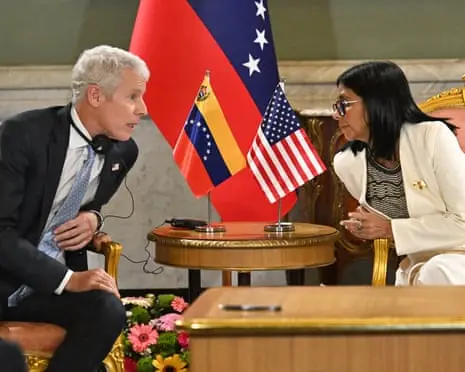
Marine Corps Major General Kevin J. Jarrard arrived in Caracas to coordinate Department of Defense support operations, working directly with interim Venezuelan authorities to direct American logistical and operational capabilities. The first C-17 transport aircraft touched down in nearby Curacao overnight, with subsequent flights carrying members of specialized urban search and rescue teams. Military helicopters, which have proven invaluable during previous disaster relief missions, will provide critical access to areas unreachable by ground transport, while naval vessels offer floating command centers and medical facilities positioned offshore.
The disaster presents an enormous challenge for acting President Delcy Rodríguez, who assumed power following January’s Delta Force operation that removed Nicolás Maduro from office. Rodríguez now faces a defining moment for her nascent administration as international scrutiny focuses on Venezuela’s capacity to manage a crisis of this magnitude. Venezuelan political analyst Benigno Alarcón characterized the situation as both risk and opportunity, noting that a rapid and transparent response could significantly bolster public confidence in the new government during a fragile transitional period.
American forces bring unparalleled logistical expertise to bear on the relief effort, coordinating closely with State Department officials and interagency partners on the ground. Search and rescue operations proceed around the clock as specialized teams equipped with acoustic sensors, thermal imaging equipment, and canine units odically work through collapsed structures where survivors may remain trapped. Navy vessels provide crucial support from offshore positions, offering medical care, helicopter launch platforms, and supply distribution hubs that can operate independently of damaged ground infrastructure.
As relief operations intensify in the coming days, the earthquake’s full impact will become clearer, potentially reshaping Venezuela’s political landscape and international relationships. Rodríguez’s handling of this crisis will likely define her administration’s legitimacy and effectiveness, while the unprecedented cooperation between American military forces and Venezuelan authorities signals a potential thaw in relations that remained frozen throughout the Maduro era. Whether this disaster becomes a turning point for Venezuela’s recovery or exposes deeper vulnerabilities in governance and infrastructure remains an open question, with thousands of families awaiting news of missing loved ones and entire communities facing the daunting task of rebuilding from catastrophic loss.












Leave a comment