

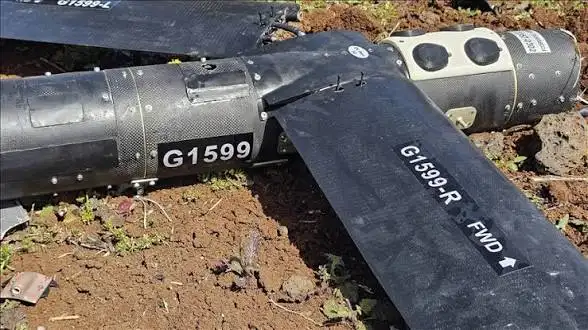
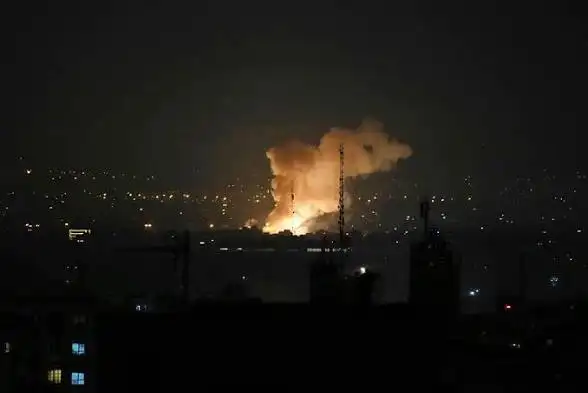
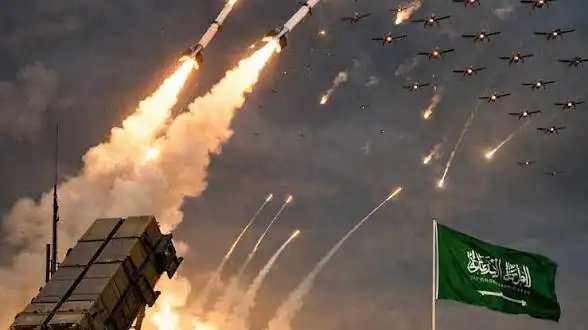
Air defense units in the United Arab Emirates intercepted multiple missiles and unmanned aerial vehicles launched from Iran, authorities confirmed, preventing impacts near sensitive facilities and populated districts. Officials said rapid detection and coordinated response systems enabled timely neutralization, while emergency services remained on precautionary standby as assessments continued across monitored zones overnight.
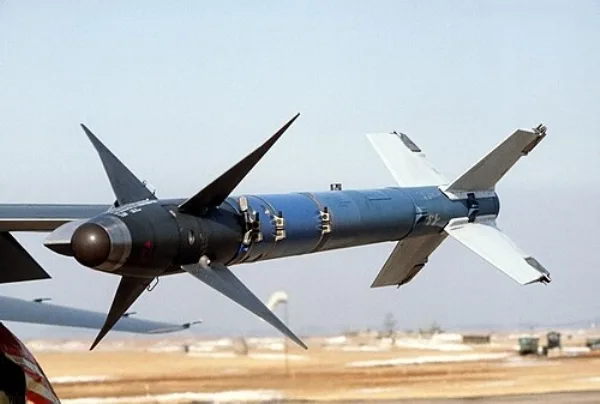
Security briefings indicated layered radar coverage and interceptor coordination played central roles in the response. Defense planners highlighted joint command protocols linking surveillance, tracking, and engagement teams. Analysts noted that integrated systems reduce reaction times and improve coverage against mixed aerial threats. Civil defense agencies maintained readiness posture while verifying debris locations and safety perimeters.
The government of United Arab Emirates emphasized public safety measures, issuing guidance through national alert platforms and local authorities. Transport agencies reviewed temporary routing adjustments near restricted airspace. Utility providers activated continuity protocols to protect essential services. Community hotlines fielded inquiries as residents sought verified updates and reassurance.
Officials in Iran did not immediately comment on the interceptions. Regional observers tracked official statements and maritime advisories for signals of next steps. Independent verification relied on satellite imagery and flight data. Policy researchers cautioned that information gaps can complicate risk assessments during fast moving security developments.
International partners expressed support for defensive measures and called for restraint to prevent broader escalation. Diplomatic channels engaged through elished mechanisms aimed at incident prevention and transparency. Security forums discussed notification frameworks and technical hotlines. Experts said consistent communication can lower miscalculation risks in congested air and sea corridors.
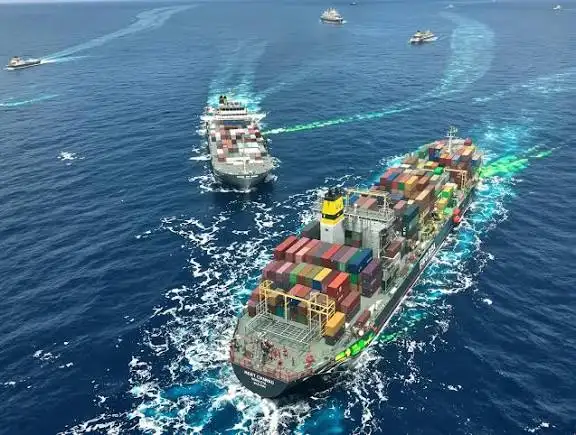
Aviation regulators evaluated airspace management and contingency procedures to ensure passenger safety. Airlines coordinated scheduling adjustments where necessary. Shipping operators reviewed navigational advisories and insurance requirements. Energy firms monitored infrastructure status while maintaining standard operations. Market participants watched for potential ripple effects across logistics networks and commodity flows.
Strategic analysts assessed implications for regional deterrence and defense cooperation. Think tanks highlighted investments in surveillance, interoperability, and training. Humanitarian organizations emphasized civilian protection and access to services. Observers said sustained dialogue and confidence building steps remain essential to ilize conditions and safeguard communities amid persistent tensions.
















Leave a comment