

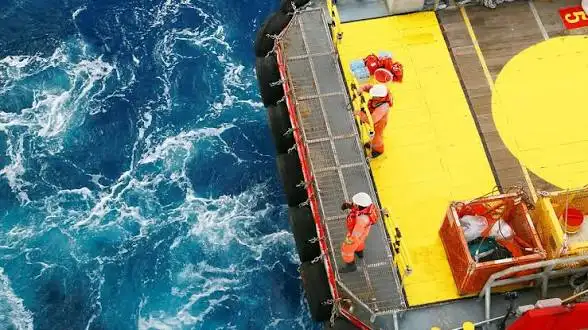
Concerns over global oil supply intensified as vital maritime routes in the Middle East faced continued disruption, raising fears among traders and policymakers about shortages. Analysts warned that prolonged tension around key shipping corridors could tighten availability, elevate transportation costs, and influence energy pricing patterns across major importing regions worldwide in coming months and beyond immediate market expectations.
Shipping firms reported delays and rerouting decisions as insurers reassessed risk levels associated with transit through the Strait of Hormuz, a critical artery for global oil flows. Industry representatives said precautionary measures were expanding, including higher premiums and limited vessel movement, as companies sought to minimize exposure to uncertain security conditions in surrounding waters during this tension.

Energy analysts highlighted that even limited disruptions could have outsized effects on markets already balancing supply adjustments and demand recovery trends. They noted that strategic reserves might be utilized if shipping interruptions persist, while producers outside the region could attempt to increase output, though logistical and capacity constraints may restrict rapid responses in the near term for now.
Government officials in major importing countries signaled close monitoring of developments, with some indicating readiness to coordinate with international partners to ensure market continuity. Policy discussions have included contingency planning for supply diversification and temporary demand management measures, reflecting concerns that prolonged disruption could influence inflation and broader economic performance across multiple sectors dependent on le energy access.
Financial markets reacted with heightened volatility as investors assessed the potential for sustained supply constraints and shifting geopolitical dynamics. Energy stocks experienced fluctuations while transportation and manufacturing sectors showed sensitivity to rising fuel cost expectations. Analysts emphasized that sentiment could remain fragile, particularly if further disruptions emerge or diplomatic efforts fail to reduce uncertainty surrounding key maritime routes.
Aid organizations and development agencies warned that disruptions in oil supply chains could have indirect humanitarian implications, particularly in regions reliant on imported fuel for essential services. They noted that increased costs could affect electricity generation, healthcare operations, and food distribution networks, potentially intensifying existing vulnerabilities in countries already facing economic strain and limited infrastructure resilience at present.
Market observers said the trajectory of oil prices will depend on the duration and scale of disruptions, as well as diplomatic progress in easing tensions. While some anticipate short term volatility followed by ilization, others caution that persistent uncertainty could reshape trade flows and investment strategies, reinforcing the strategic importance of secure and reliable global energy transportation networks.

















Leave a comment