

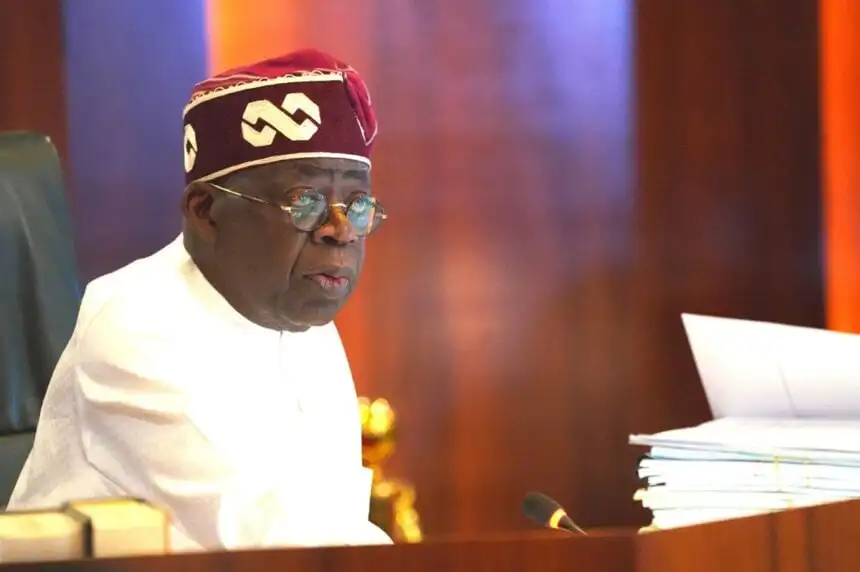
The recent visit of Bola Ahmed Tinubu to meet King Charles III at Windsor has sparked mixed reactions across Nigeria, blending admiration with sharp criticism. For some, it represents a moment of pride, a rare diplomatic engagement that places Nigeria on a prestigious global stage. For others, it raises questions about timing, priorities, and the optics of leadership.
Supporters argue that the visit marks a significant achievement. It has been decades since a Nigerian leader had such a high profile engagement with the British monarchy. The imagery alone, with the president and First Lady Oluremi Tinubu dressed in traditional attire, projected cultural pride and confidence. The symbolic weight of such a moment cannot be ignored, especially for Nigerians in the diaspora seeking validation and recognition.
However, critics point to the contrast between the glamour abroad and the harsh realities at home. Issues like insecurity, particularly in regions affected by insurgent groups such as Islamic State West Africa Province, continue to dominate national concerns. The argument is that leadership presence during crises carries emotional and political significance that international appearances may not replace.
Yet, defenders of the president insist that diplomacy and image building are essential tools of governance. In a globalized world, attracting investment and maintaining international relationships often require visibility and engagement at the highest levels. The Windsor visit, in this light, becomes more than ceremony it is strategy.
The narrative also reflects Tinubu long standing reputation as a political tactician. From his days in opposition to his rise to the presidency, he has demonstrated resilience and influence. His supporters see the visit as another calculated move to strengthen Nigeria global standing while managing domestic complexities.
Still, the debate underscores a deeper tension in Nigerian politics balancing symbolism with substance, and perception with performance. Whether the Windsor moment will translate into tangible benefits for Nigerians remains to be seen.
In the end, the visit stands as both a diplomatic milestone and a mirror reflecting the expectations and frustrations of a nation watching closely.
You May Like
















Leave a comment