

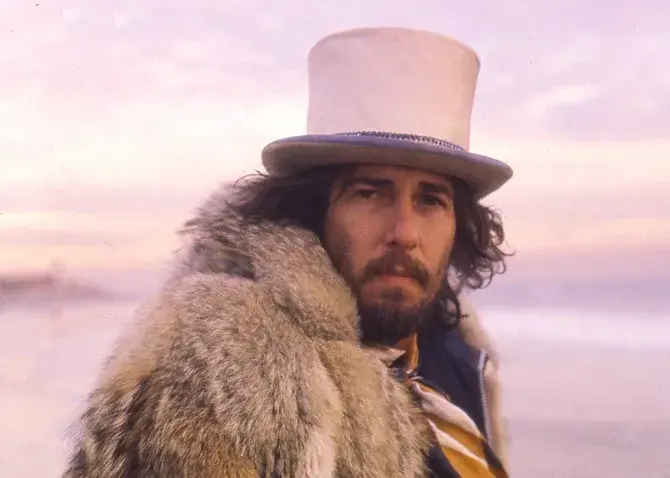
Behind every iconic harmony of the 1960s folk rock movement stands a figure whose creative brilliance was matched only by the darkness of his personal demons. John Phillips, the towering songwriter and visionary architect of The Mamas and The Papas, crafted some of the most enduring melos of a generation while simultaneously orchestrating a private life that would eventually unravel in scandal and tragedy. His story serves as a cautionary tale about the price of genius and the corrosive effects of fame unchecked by moral boundaries.
Phillips possessed an undeniable gift for melody and arrangement that transformed the American music landscape. Songs like California Dreamin’ and Monday Monday became anthems that defined an era, their lush vocal harmonies and sophisticated arrangements setting a new standard for popular music. He assembled a group that perfectly balanced male and female voices, creating a sound that was both commercially viable and artistically groundbreaking. Yet even as millions sang along to his optimistic lyrics about sunny California days, Phillips was descending into a world of substance abuse and manipulation that would ultimately destroy the very group he had built.

The contradictions in Phillips’ character became increasingly apparent as his career progressed. Music historians have noted that his ability to craft songs celebrating love and harmony stood in stark contrast to the chaos he created in his personal relationships. His struggles with drug addiction began early in his career and would persist for decades, fueling erratic behavior that alienated bandmates and family members alike. Former associates have described a man capable of extraordinary charm and creativity one moment, only to turn manipulative and destructive the next.
What truly cemented Phillips’ controversial legacy were revelations that emerged years after The Mamas and The Papas had disbanded. Allegations of profound misconduct within his own family shocked even those familiar with the excesses of the rock and roll lifestyle. These revelations forced a complete reevaluation of his legacy, transforming him from a celebrated musical pioneer into a symbol of the darkest aspects of the counterculture movement. Legal proceedings and public confessions painted a portrait of someone whose talent could never excuse or overshadow the harm he inflicted on those closest to him.
Entertainment industry experts have long debated how to reconcile artistic achievement with personal depravity. Phillips represents perhaps the most extreme example of this dilemma in popular music history. His songs continue to receive airplay and generate revenue, yet each listen now carries the weight of knowledge about the man who created them. Streaming services and radio programmers face ongoing questions about whether art can or should be separated from the artist, particularly in cases where the misconduct was so egregious.
As contemporary culture continues to grapple with accountability and legacy, the case of John Phillips remains relevant and troubling. Future generations will likely continue reassessing his contributions to music against the suffering he caused, a debate that reflects broader societal conversations about redemption, responsibility, and the limits of forgiveness. Whether his songs will endure as classics or fade as aunces become increasingly unwilling to separate the music from the man remains an open question, one that speaks to our evolving understanding of what we choose to celebrate and what we decide to leave behind.



















Leave a comment