

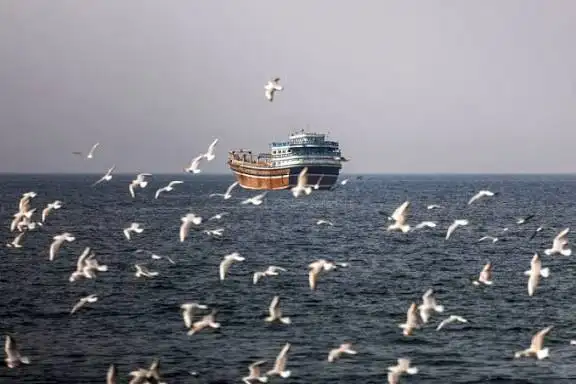
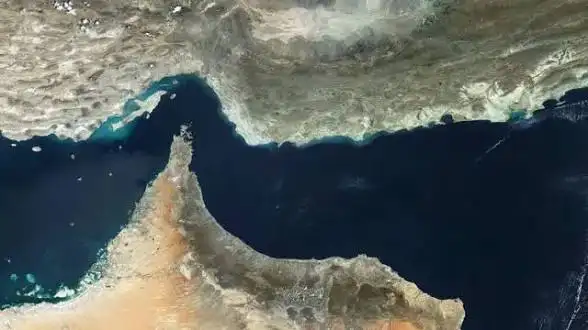
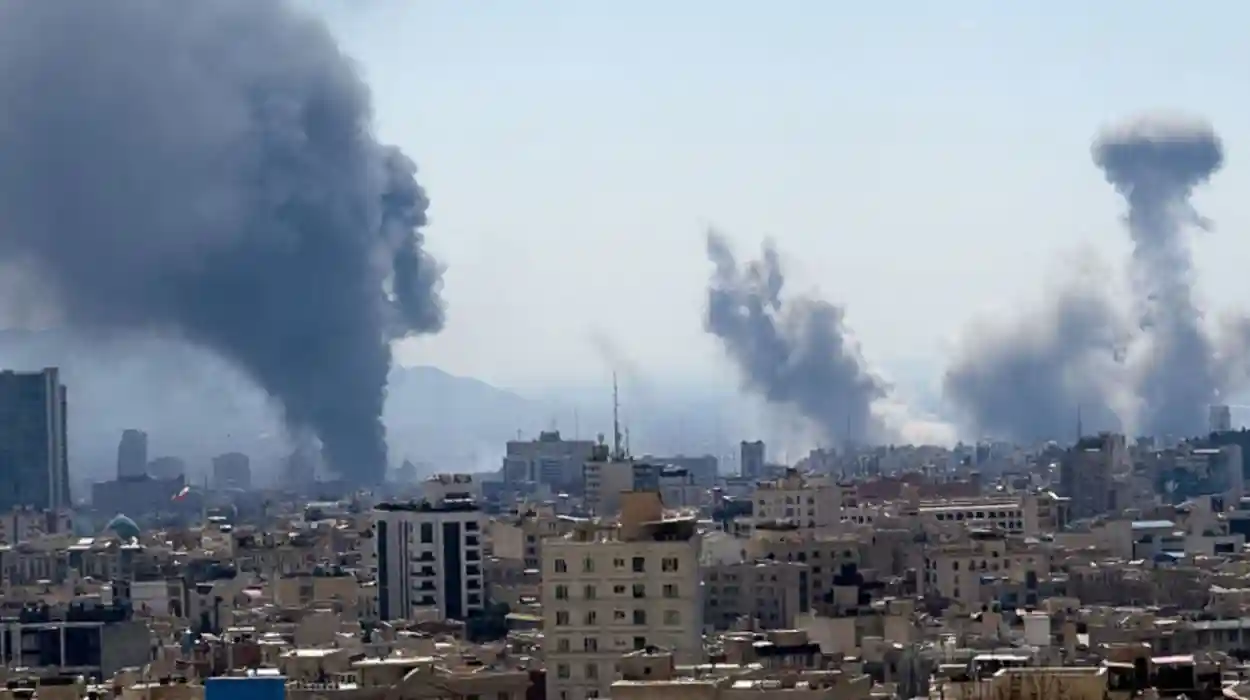
Commercial shipping activity through the Strait of Hormuz has slowed significantly as regional tensions continue to influence security conditions in the Middle East. Maritime authorities and shipping companies are taking additional precautions while monitoring developments connected to the conflict involving Iran, Israel, and the United States. The vital waterway, which carries a substantial portion of the world’s oil exports, has become a focal point for global economic concern as uncertainty grows across the region.
Shipping operators have begun adjusting schedules and routes in response to the evolving security environment. Some vessels are waiting longer before entering the corridor while others are coordinating closely with naval escorts and regional authorities to ensure safe passage. These precautionary steps reflect the strategic importance of the strait, which connects the oil producing Gulf region with international markets across Asia, Europe, and beyond.
Industry analysts note that even minor disruptions to tanker traffic can influence global energy supply chains. The Strait of Hormuz handles a large volume of crude oil and liquefied natural gas shipments each day, making it one of the most critical maritime passages in the global energy system. Reduced shipping flow through the area can tighten supply availability and contribute to volatility in international fuel markets.
The slowdown has also prompted insurance companies to reassess coverage terms for vessels traveling through Gulf waters. Higher risk evaluations may lead to increased insurance costs for shipping companies, which can ultimately affect the price of transporting energy resources and other goods. Financial markets have responded cautiously as traders evaluate how prolonged disruption could influence global trade and commodity prices.
Governments and international organizations are continuing diplomatic discussions aimed at maintaining ility in the region and safeguarding vital shipping routes. Leaders across multiple countries have emphasized the importance of keeping maritime corridors open to support the global economy. As tensions persist across the Middle East, the Strait of Hormuz remains under close watch by policymakers, shipping companies, and energy market observers worldwide.


















Leave a comment