

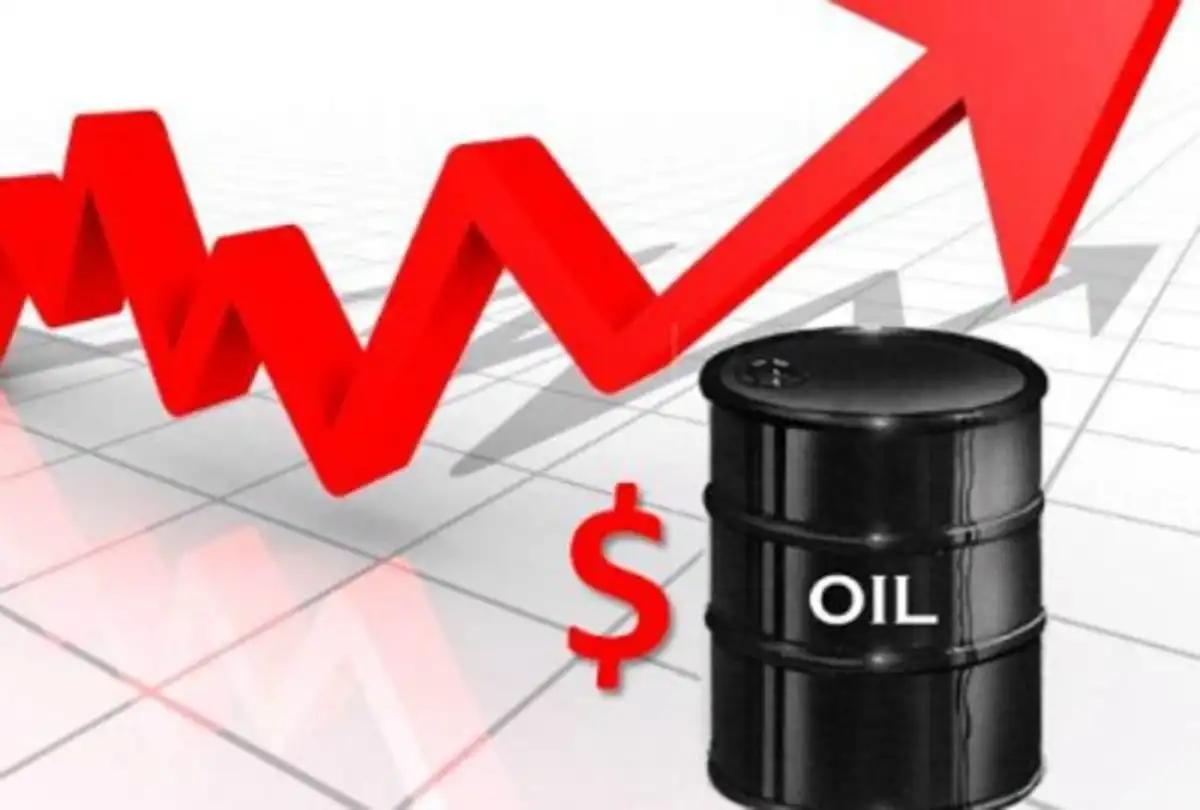
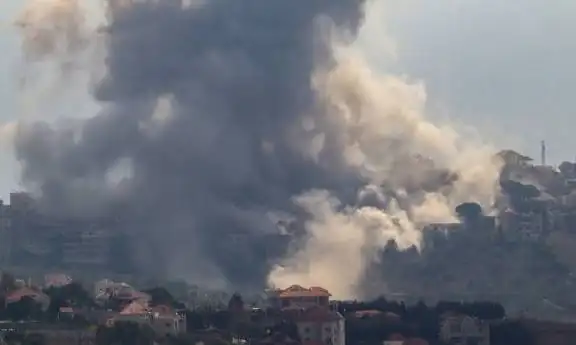
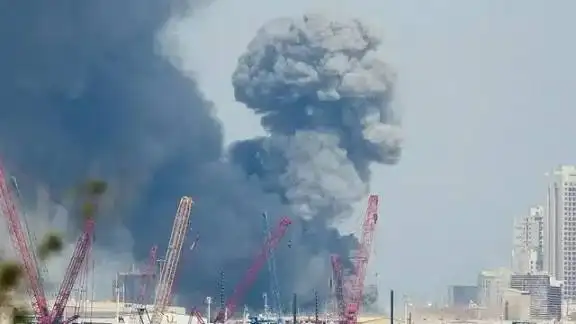
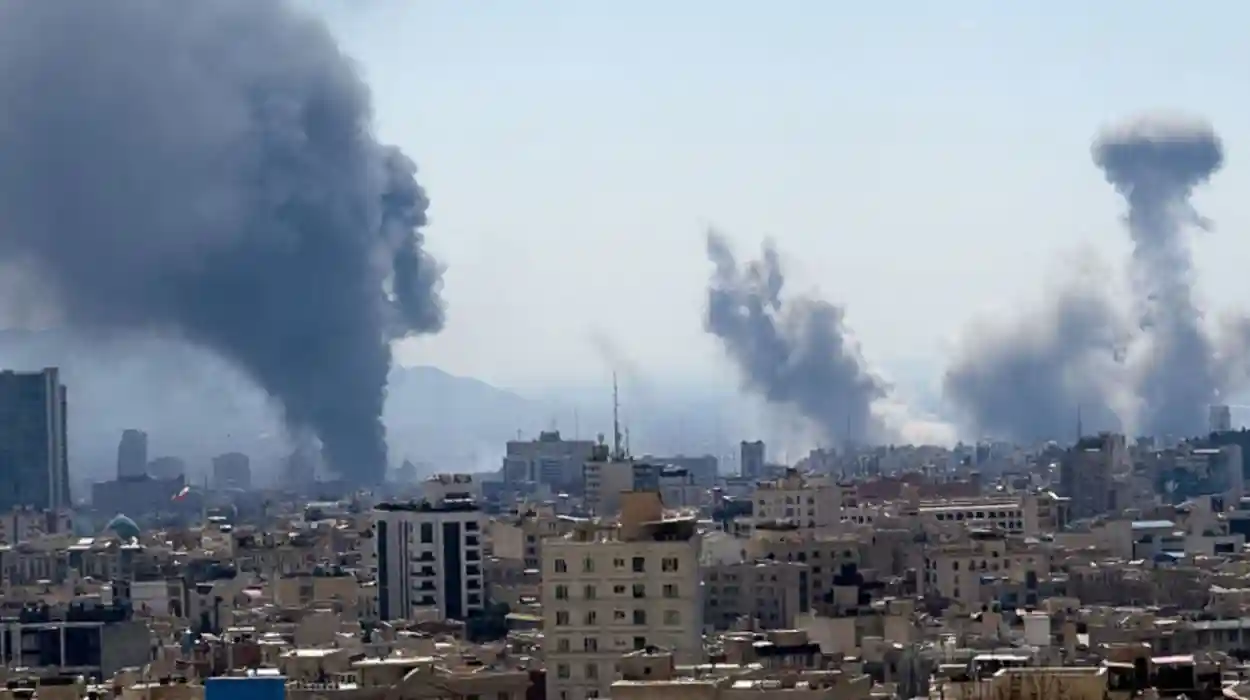
Global oil prices are moving steadily toward the one hundred dollar mark as concerns grow about disruptions to supply linked to the expanding conflict in the Middle East. Energy markets have reacted quickly to reports of infrastructure damage, reduced tanker movement, and heightened security risks across the region. Traders and analysts say the rapid rise in prices reflects fears that the situation could place significant pressure on the availability of crude oil in the coming weeks.
Benchmark crude prices have climbed sharply during recent trading sessions as investors respond to developments affecting major energy producing areas. The Middle East remains central to the global oil supply system, and uncertainty surrounding production and transportation routes has increased volatility in commodity markets. When traders anticipate possible supply shortages they often move quickly to secure future deliveries, a behavior that can accelerate price increases.

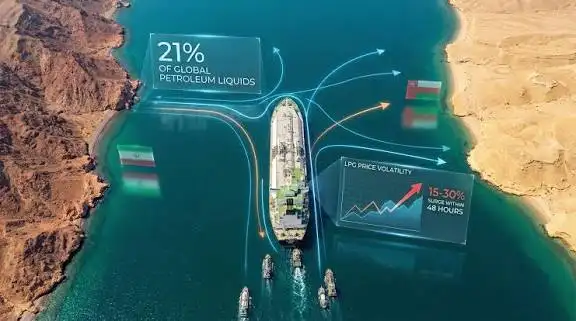
Several factors have contributed to the upward pressure on prices. Reduced tanker traffic through key maritime corridors has slowed the movement of crude shipments, while shipping companies are reassessing the safety of operating in areas affected by the conflict. Insurance costs for vessels navigating these routes have also risen, adding further financial strain to the process of transporting energy supplies. These conditions have tightened expectations about how much oil will reach international markets in the near term.
The surge in prices has drawn attention from governments and economic planners worldwide. Higher energy costs can affect transportation, electricity generation, manufacturing, and many other sectors that depend heavily on fuel. Economists warn that a sustained period of elevated oil prices could place additional pressure on consumer prices and economic growth, particularly for countries that rely heavily on imported energy.
Despite the rising prices, some analysts believe the global energy system still has mechanisms to limit extreme shortages. Major oil producing countries outside the conflict zone may increase output if market conditions encourage higher production. Strategic petroleum reserves held by several governments can also be used to ilize markets if supply becomes severely constrained. Even so, the trajectory of oil prices will remain closely tied to developments in the Middle East as energy markets continue to respond to evolving geopolitical conditions.













Leave a comment