

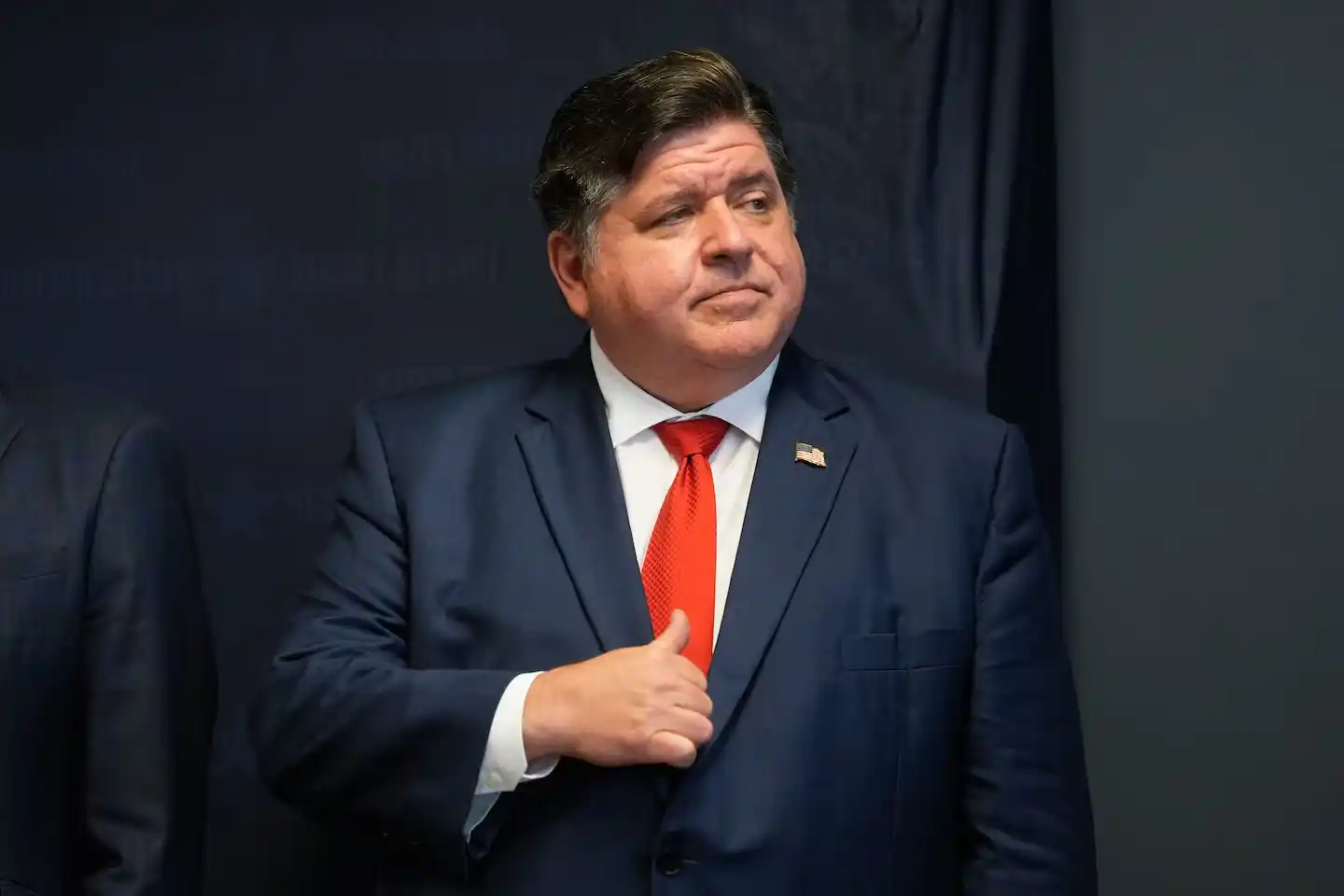
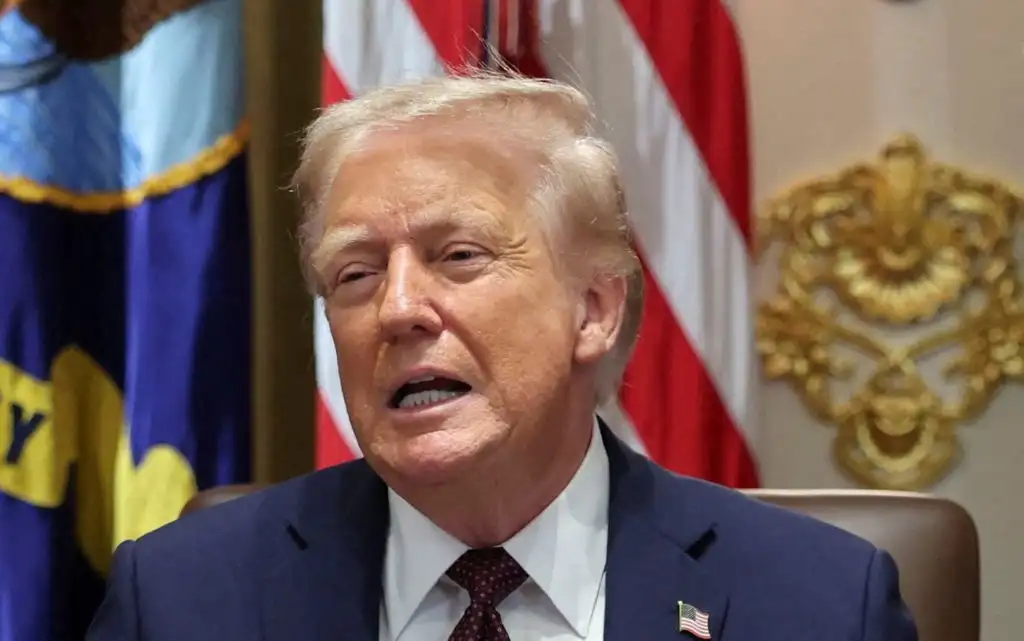
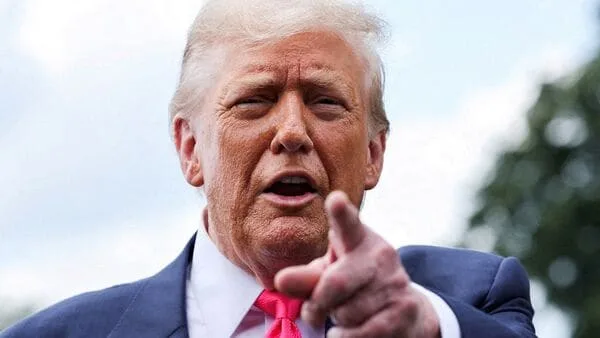
Illinois Governor JB Pritzker has ignited fresh controversy by claiming President Donald Trump suffers from dementia, a striking departure from his previous role as one of Joe Biden’s most vocal defenders when questions swirled about the former president’s mental fitness. During a June 29 interview with CNN host Kaitlan Collins, Pritzker offered no medical evidence to support his diagnosis while discussing Trump’s recent comments on democratic socialism. The Illinois Democrat went so far as to declare that Trump “is continually suffering from dementia” and doesn’t understand what he’s saying, despite acknowledging he is not a medical professional.
The governor’s comments stand in sharp contrast to his passionate defense of Biden throughout the 2024 presidential campaign, when Pritzker served as a key surrogate and sat on the former president’s national advisory board. When Special Counsel Robert Hur raised concerns about Biden’s memory in early 2024, Pritzker immediately dismissed them as politically motivated s. He insisted at the time that Biden was “on the ball” and that “the man knows more than most of us have forgotten,” praising the president’s mental acuity in multiple media appearances and at campaign events across the country.
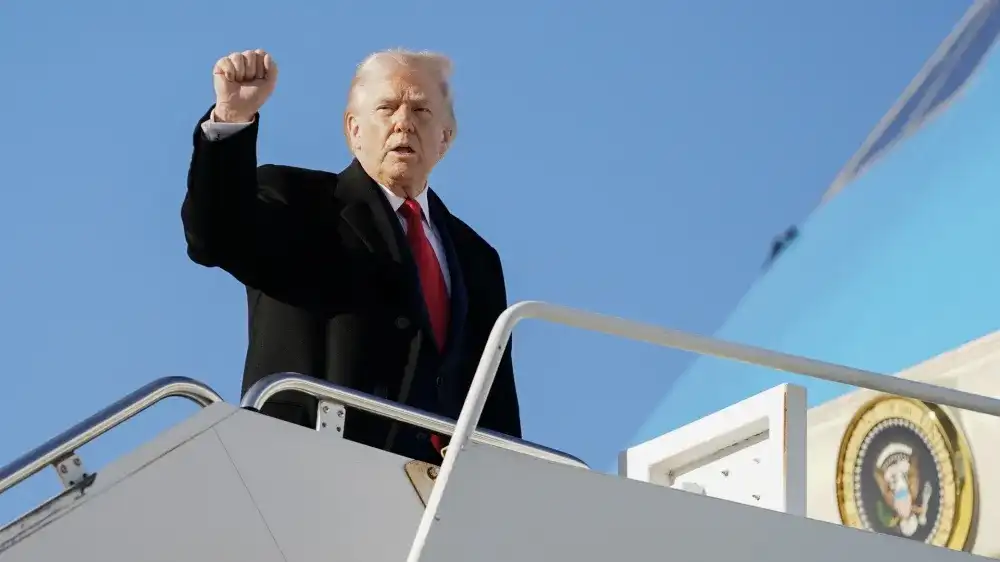
Throughout 2023 and into 2024, Pritzker consistently downplayed mounting questions about Biden’s fitness for office. He characterized Biden as “a gem of a human” while describing Trump as “cruel, cowardly and small.” Even after Biden’s widely panned debate performance that eventually contributed to concerns within the Democratic Party, Pritzker maintained his support. He told reporters that Biden was their nominee and that he had scheduled campaign appearances in Indiana and Ohio specifically to support the president’s reelection bid.
The governor’s shift reflects a broader strategic pivot among Democratic officials who previously dismissed age and cognitive concerns when directed at Biden. For years, party leaders characterized such questions as bad faith s or Republican talking points, even as videos and public appearances fueled ongoing debate about presidential fitness. Now those same officials are openly questioning Trump’s mental state, employing similar language and concerns they once condemned as inappropriate or medically unfounded when applied to their own candidate.
Political observers note the reversal highlights the partisan nature of fitness debates in modern presidential politics. Both parties have selectively raised and dismissed concerns based on political convenience rather than consistent medical or ethical standards. The pattern raises questions about whether genuine concerns about presidential health can be separated from tactical political warfare, particularly as the average age of American political leaders continues to rise across both parties.
As the 2026 midterm elections approach and attention turns toward 2028 presidential prospects, debates over candidate age and fitness show no signs of subsiding. Pritzker himself is considered a potential presidential contender, and his willingness to weaponize dementia accusations may set a precedent for increasingly personal s in future campaigns. Whether voters will punish politicians for such reversals or whether selective concern about mental fitness has become an accepted feature of partisan combat remains to be seen, but the Illinois governor’s about face ensures the issue will remain at the forefront of political discourse.
You May Like












Leave a comment