

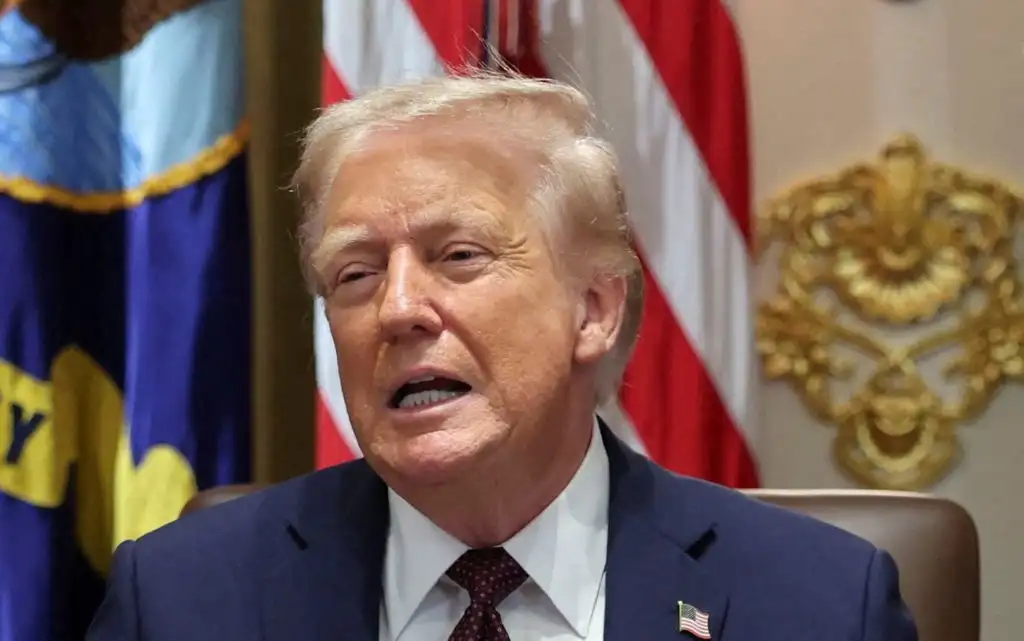
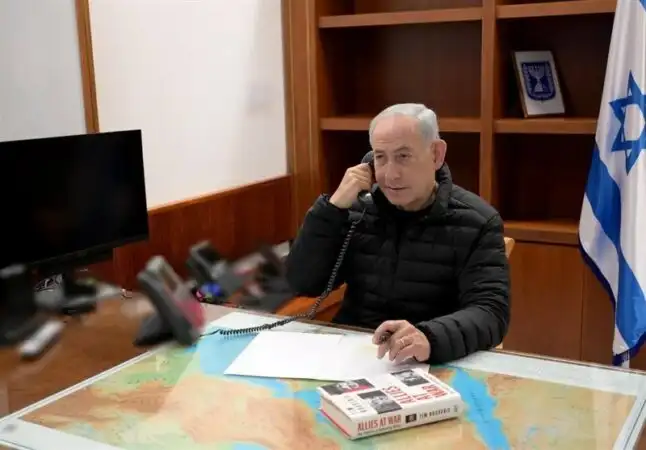
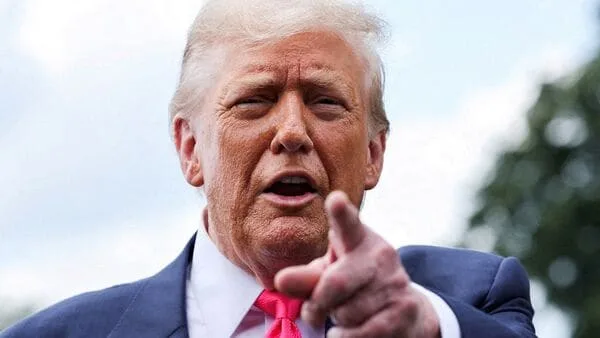
President Donald Trump has broken with decades of American diplomatic protocol by unleashing a barrage of extraordinary public criticism against Israeli Prime Minister Benjamin Netanyahu, going so far as to describe him as “crazy” and claiming that Israel would not exist without his personal intervention. The stunning rhetoric represents a dramatic shift in tone from a leader who Netanyahu once praised as “the greatest friend Israel ever had in the White House.”
Speaking at the annual G7 summit in France on Tuesday, Trump made clear his frustration with Netanyahu’s recent military actions in Lebanon, which have threatened to derail negotiations between Washington and Tehran. “Without the U.S., there would be no Israel. Without me, there would be no Israel because no other president was willing to do what I did,” Trump declared, adding that Netanyahu “has to be more responsible with respect to Lebanon.” The comments come as Trump faces mounting political pressure at home over a deeply unpopular conflict that has driven gasoline prices higher and sparked bipartisan concerns.
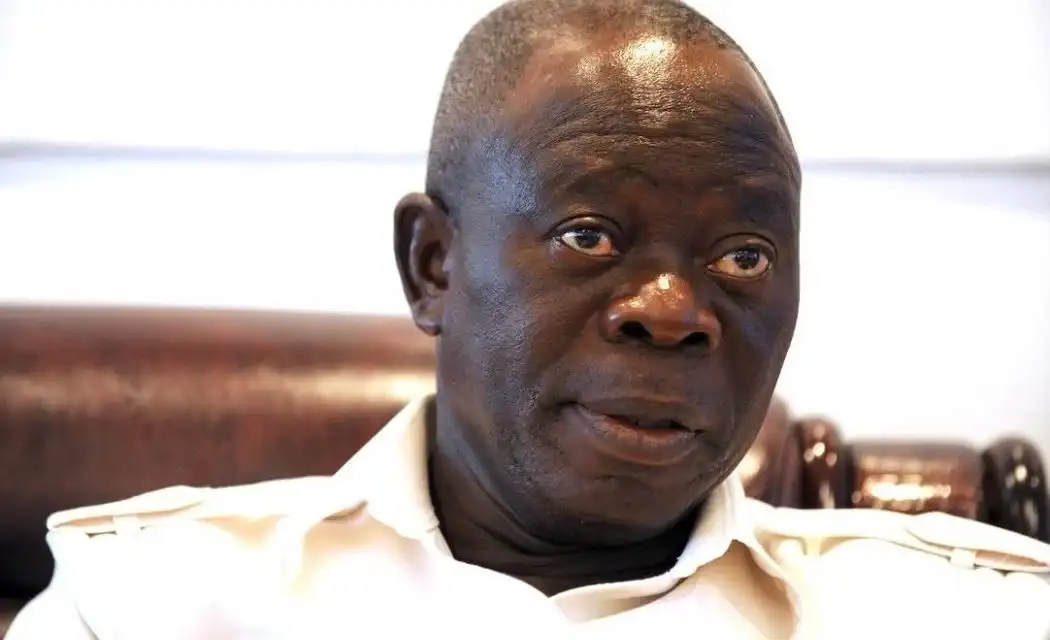
Netanyahu has proven a difficult partner for four consecutive American presidents, but none has voiced their exasperation as openly as Trump. Aaron David Miller, who served as an adviser on Middle East issues to both Democratic and Republican administrations over two decades, noted the significance of this public rift. “If Netanyahu gets in between soing Trump really wants, and that’s out of this war, he’s prepared to use the leverage that he has,” Miller explained. An agreement between the United States and Iran is scheduled to be signed Friday at the Burgenstock resort near the city of Luzern.
The longstanding bipartisan consensus around supporting Israel has frayed considerably in recent years. Liberals have grown increasingly critical of Israel’s treatment of Palestinians, particularly during the war in Gaza, while some conservatives have begun questioning the strategic value of unconditional American support. Concerns about antisemitism have emerged across the political spectrum, complicating an already fraught debate. President Joe Biden and Vice President Kamala Harris both disagreed publicly with Netanyahu during the Gaza conflict, though their criticism remained more measured to avoid accusations of being anti-Israel.
Trump’s comments drew swift condemnation from progressive Jewish groups while creating divisions among conservative pro-Israel organizations. Halie Soifer, who leads the Jewish Democratic Council of America, called the remarks deeply offensive. “He is framing Israel’s mere existence as contingent on him,” Soifer said, arguing that the comments undermine Israel’s legitimacy. Republican Jewish Coalition President Matt Brooks took a more forgiving view, characterizing Trump’s criticism as merely the inevitable disagreement among family members and noting the administration’s track record of support, including moving the U.S. embassy to Jerusalem and securing the return of Israeli hostages from Gaza.
Yet even some pro-Israel advocates expressed concern about the public nature of Trump’s rebuke. Mort Klein, a prominent supporter of Israel, suggested Trump should have kept his criticisms private, particularly given his history of publicly praising authoritarian leaders in Turkey, North Korea, and China. As negotiations with Iran move toward a Friday signing ceremony, the question remains whether Trump’s willingness to publicly pressure Netanyahu signals a fundamental shift in the U.S. relationship with Israel or simply represents a tactical maneuver to secure a deal that could reshape Middle Eastern geopolitics. What appears certain is that traditional diplomatic guardrails around public criticism of Israeli leadership have been permanently lowered, with consequences that may extend well beyond this administration.














Leave a comment