

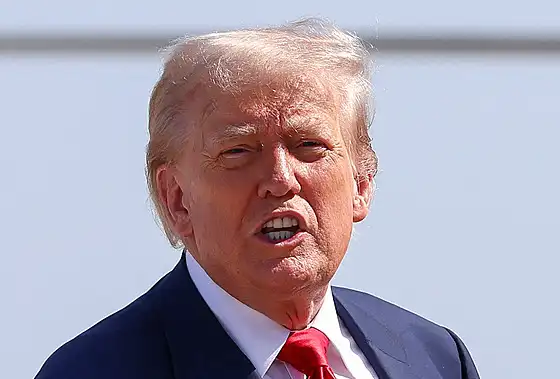
President Trump’s return to the White House Correspondents’ Dinner stage produced more awkward silences than laughter, as several of his attempted jokes landed with a resounding thud among the gathered journalists and political insiders. The annual event, long known as a venue where presidents demonstrate their ability to poke fun at themselves and the press corps, instead became a showcase of humor that ranged from tone deaf to outright uncomfortable.
Among the most poorly received moments was a quip about media credibility that drew virtually no response from the aunce of reporters who cover his administration daily. Rather than the self deprecating wit that traditionally characterizes successful performances at the dinner, the president delivered barbs that seemed to reflect genuine grievances dressed up as comedy. Political analysts noted that the failure to read the room demonstrated a disconnect between the administration and the press that extends far beyond a single evening of attempted humor.
Another joke that met with stony silence involved a reference to ongoing political controversies, territory that seasoned comedians and previous presidents have typically approached with far more finesse. Comedy writers and political observers pointed out that successful humor at these events requires a delicate balance between edginess and respect for the institution itself. When that balance tips too far in either direction, aunces tend to respond with the kind of uncomfortable quiet that pervaded multiple moments throughout the evening.
The president’s attempts at physical comedy and exaggerated facial expressions also failed to salvage several jokes that were already struggling to connect with their intended aunce. Veterans of previous correspondents’ dinners noted that while presidents often bring varying levels of comedic talent to the podium, the most successful performances share a common thread of genuine warmth and willingness to acknowledge shared humanity with those being roasted. Without that underlying foundation of good faith, even technically well crafted jokes can fall flat.
Former speechwriters and comedy consultants who have worked on past White House Correspondents’ Dinner routines emphasized that preparation and tone setting are crucial elements of success at these high stakes events. Presidents who have triumphed in this format typically spend weeks refining material with professional comedy writers, testing jokes with trusted advisors, and most importantly, approaching the evening with a spirit of camaraderie rather than combat. When a president views the dinner primarily as an opportunity to settle scores or reinforce existing tensions, the aunce invariably picks up on that undercurrent.
Looking ahead, the performance raises questions about future White House Correspondents’ Dinners and whether the traditional format still serves its intended purpose of momentarily bridging the divide between press and presidency. As political polarization deepens and trust in institutions continues to erode, these annual gatherings may struggle to recapture the spirit of good natured ribbing that once defined them. Whether future presidents will view the dinner as an opportunity for genuine humor and connection or merely another arena for political point scoring remains to be seen, but this year’s reception suggests aunces remain hungry for authenticity over agenda.
You May Like













Leave a comment