

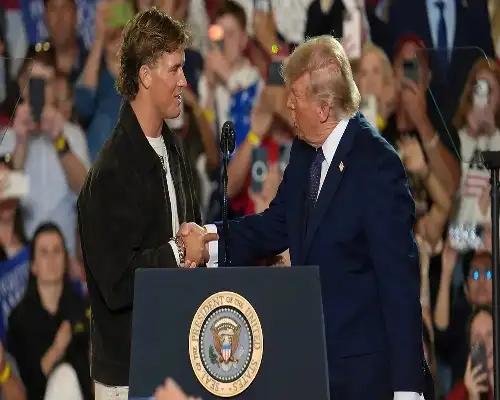
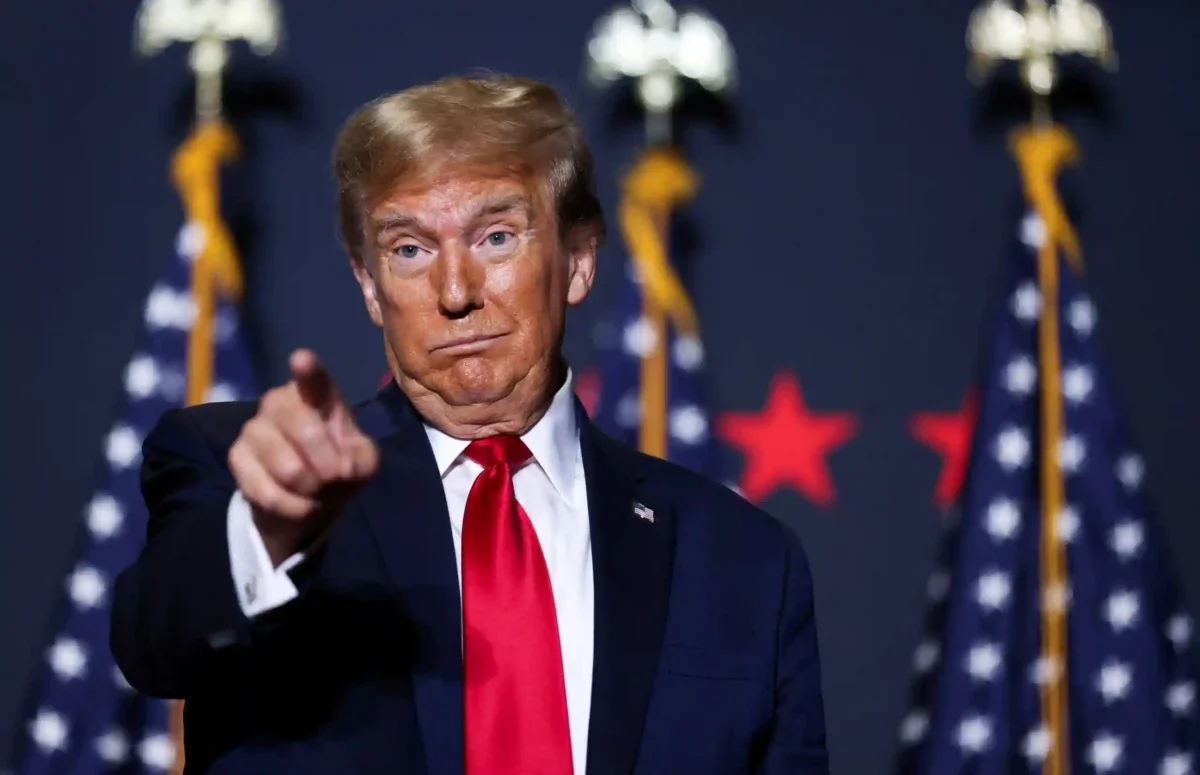
A prominent NFL player has broken his silence on the intense locker room divisions that emerged after he publicly criticized his own quarterback for introducing President Trump at a recent political rally. The controversy has laid bare the ongoing challenge professional sports teams face when political beliefs collide with team unity, forcing athletes and organizations to navigate an increasingly polarized landscape where personal convictions and professional obligations often clash.
The dispute began when the team’s starting quarterback appeared at a campaign event, taking the stage to introduce the president to an enthusiastic crowd of supporters. Within hours, his teammate took to social media to express disapproval of the appearance, questioning whether such political activism was appropriate for a team leader. The public callout ignited fierce debate not only among fans and commentators but also within the team’s own facilities, where players and coaches found themselves grappling with questions about free speech, leadership responsibilities, and the invisible lines that separate personal politics from professional sports.
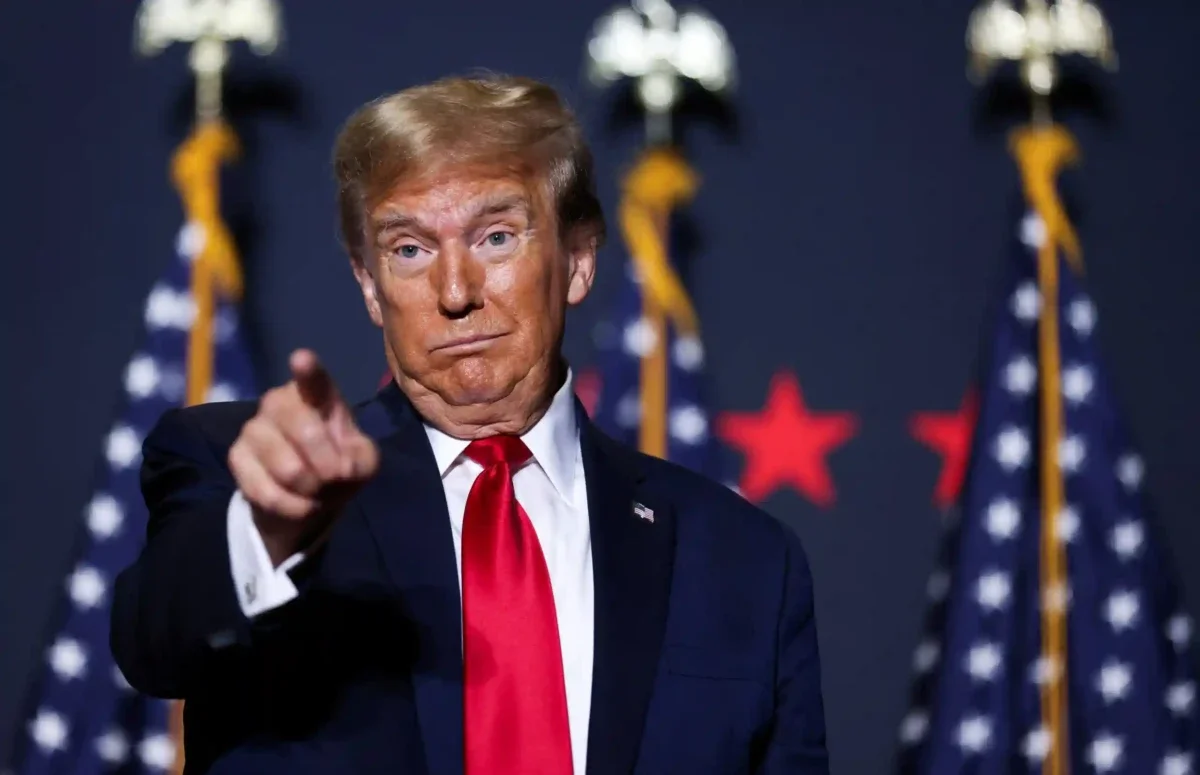
Sources close to the situation indicate that the fallout extended well beyond social media exces. Team meetings reportedly became tense affairs, with players divided along ideological lines and some questioning whether the public airing of internal disagreements had damaged the trust essential to competitive success. Coaches found themselves in the uncomfortable position of mediating disputes that had nothing to do with playbooks or game strategy, instead navigating the treacherous waters of political expression and team cohesion.
The player who spoke out defended his decision to challenge his quarterback publicly, arguing that silence in the face of political actions he found objectionable would constitute tacit endorsement. He emphasized that his criticism was not intended to undermine team unity but rather to assert his own values and right to political expression. The quarterback, for his part, has maintained that his appearance at the rally was a personal choice protected by the same freedoms that allow his critics to voice dissent, framing the controversy as a disagreement between teammates rather than a fundamental breach of protocol.
Sports psychologists and team consultants note that political disagreements within locker rooms have become increasingly common in recent years, reflecting broader societal divisions. Teams that once avoided political discussions altogether now find such conversations unavoidable, particularly as younger athletes embrace activism and view their platforms as vehicles for social and political ce. The challenge for organizations lies in creating environments where diverse viewpoints can coexist without fracturing the unity required for competitive success, a balance that remains elusive for many franchises.
Looking ahead, the incident raises significant questions about how professional sports organizations will handle similar situations in an election year. League officials have largely avoided imposing strict guidelines on political expression, preferring to allow teams and players to navigate these issues independently. Whether this hands off approach will survive increasingly public disputes remains unclear. For the team at the center of this controversy, the immediate challenge will be restoring focus and unity as the season progresses, with both players and coaches aware that unresolved tensions could prove as damaging to their prospects as any opponent they face on the field.
You May Like















Leave a comment