

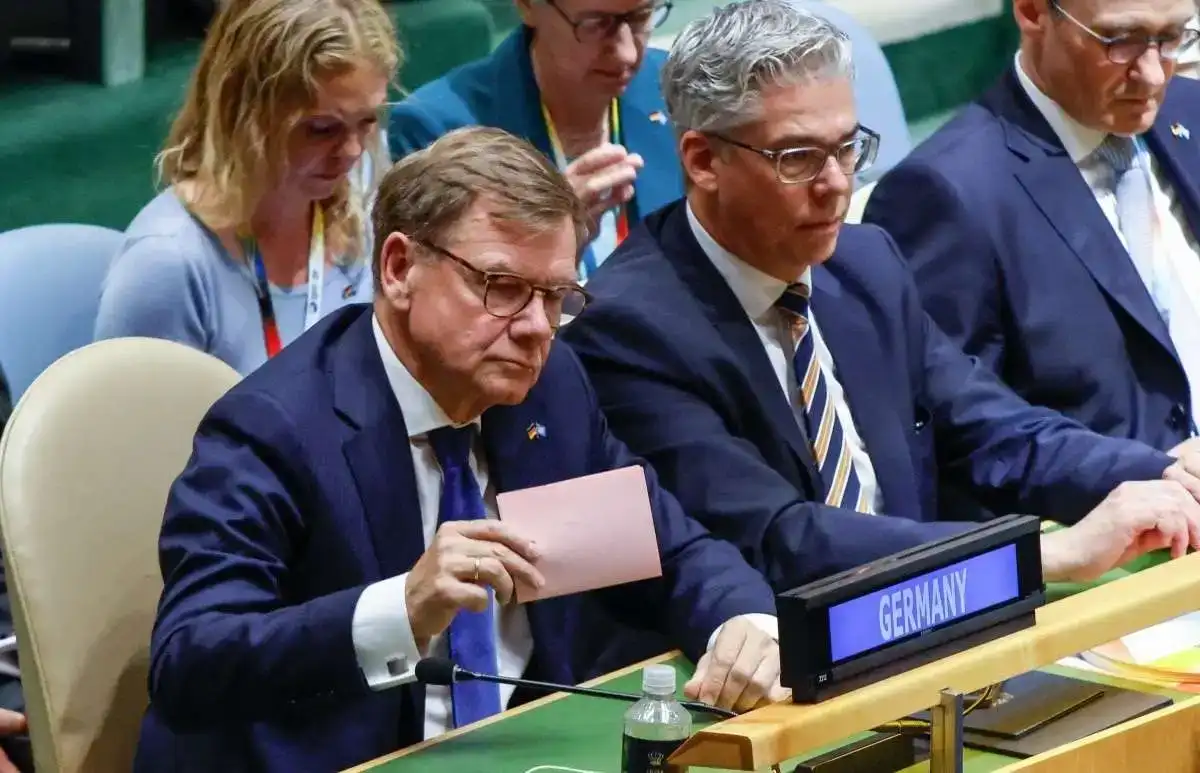
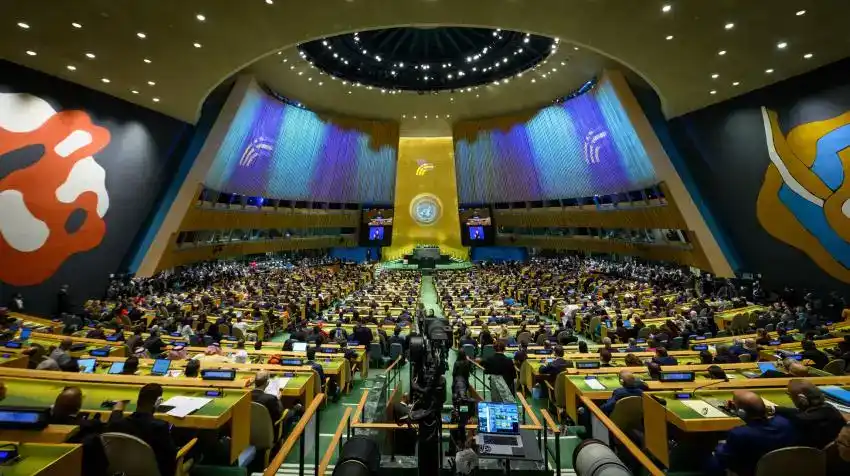
Germany has suffered an unprecedented diplomatic humiliation after failing to secure one of the rotating seats on the United Nations Security Council, a stunning defeat that has triggered intense soul searching in Berlin and raised fundamental questions about the country’s claims to international leadership under Chancellor Friedrich Merz. In a secret ballot that shocked European capitals, Austria and Portugal won the two available seats alongside Trinidad and Tobago and Zimbabwe, leaving Germany empty handed despite confident predictions of success just hours before the vote.
The results delivered a particularly bitter blow to Merz’s struggling government, which has sought to position Europe’s largest economy as a leading voice on the world stage. Portugal secured 134 votes and Austria garnered 131, while Germany managed just 104, falling well short of the required 127 vote threshold. Foreign Minister Johann Wadephul, who had campaigned vigorously for the seat, described the outcome as a “bitter defeat” and attributed it to Germany’s uncompromising positions on Ukraine and Israel, stances that have alienated significant blocs of UN member states.
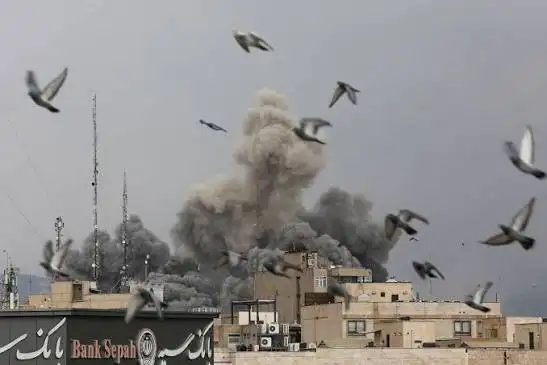
Wadephul told reporters that Germany’s role as Kyiv’s biggest national provider of military aid and its staunch backing of Israel had cost Berlin crucial votes. He acknowledged that Russia, a permanent Security Council member, had actively rallied sentiment against Germany and that the country’s unwavering support for Israel, rooted in atonement for the Holocaust, may have proven particularly costly in the current climate. Both Austria and Portugal were seen as representing the interests of smaller nations, with Austria benefiting from its perceived neutrality as a country outside NATO and Portugal leveraging its strong ties across Africa and Latin America.
For Merz, whose popularity has plunged during his first year in office, the diplomatic setback adds to a growing list of challenges facing his awkward right left coalition government. Since taking office last May, the chancellor has attempted to steer Germany back to economic strength while raising its profile on global issues, backed by sharp increases in military spending. Yet the results at home and abroad have been decidedly mixed, prompting recent speculation that fellow conservative Hendrik Wüst, premier of North Rhine Westphalia, could potentially replace him if the government’s fortunes do not improve.
Critics from across the political spectrum have seized on the defeat as evidence of deeper failures in German foreign policy. Opposition Greens called the result an “embarrassing defeat,” with deputy parliamentary group leader Agnieszka Brugger arguing that the government had failed to “underpin this bid with modern ideas” about leadership on climate protection, the international rules based order, and development aid. Germany remains the second largest financial contributor to the United Nations, a fact that makes the rejection all the more stinging for a country that has long viewed multilateral institutions as central to its diplomatic identity.
Despite the setback, Merz congratulated the winning nations and insisted that Berlin’s commitment to the UN would remain unwavering, declaring Germany a “reliable pillar of multilateralism” that acts “with determination and a sense of responsibility.” Wadephul similarly pledged that Germany would continue to stand by Israel even while voicing criticism of settlement expansion in the West Bank and military operations in Gaza and Lebanon. Yet such assurances may ring hollow in a capital now forced to confront uncomfortable questions about whether its foreign policy positions, however principled, have left it isolated on the global stage.
Looking ahead, Germany faces a critical period of reassessment as it weighs whether to maintain its current foreign policy trajectory or recalibrate its approach to better align with the priorities of the global majority. With Merz’s government already facing domestic economic headwinds and declining public support, another diplomatic failure could prove politically fatal. Whether Berlin chooses to adjust its positions or double down on its stated principles will shape not only Germany’s international standing but also the future of European leadership in an increasingly multipolar world where traditional Western influence can no longer be taken for granted.







Leave a comment