


The European Union has taken unprecedented action against Iran, imposing sanctions on two individuals and a key military unit for threatening the freedom of maritime traffic through the Strait of Hormuz, the critical waterway through which roughly one fifth of the world’s oil supply flows. The move represents the first time Brussels has deployed newly elished powers to penalize nations for restricting freedom of navigation, signaling a more assertive stance on protecting international shipping routes vital to global energy security.
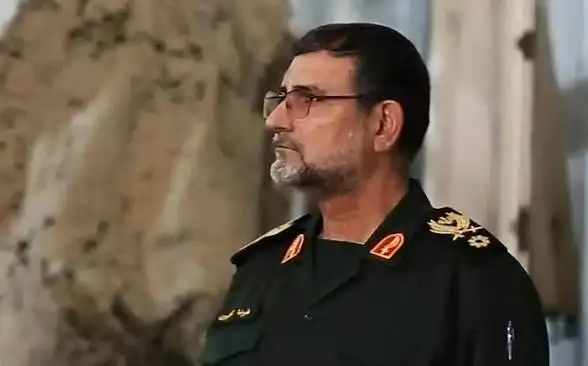
Announced on Monday, the sanctions target the Hormozgan Provincial Command of the Islamic Revolutionary Guard Corps Navy, along with Mohammad Akbarzadeh, who serves as Deputy Commander for Political Affairs of the IRGC Navy, and Hamid Hosseini, a representative of Iran’s Oil, Gas and Petrochemical Products Exporters’ Union. The designations come in direct response to Iranian actions that severely disrupted one of the world’s most strategic maritime chokepoints, a passage that has long been central to international commerce and energy markets.
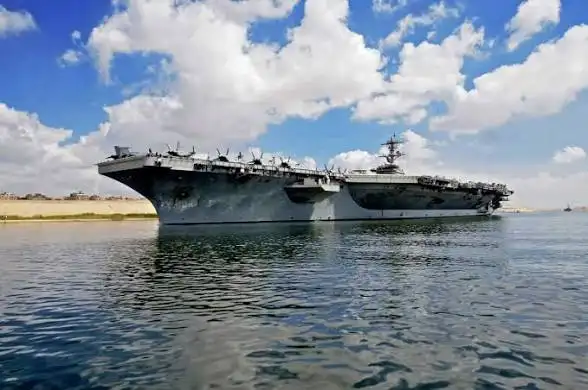
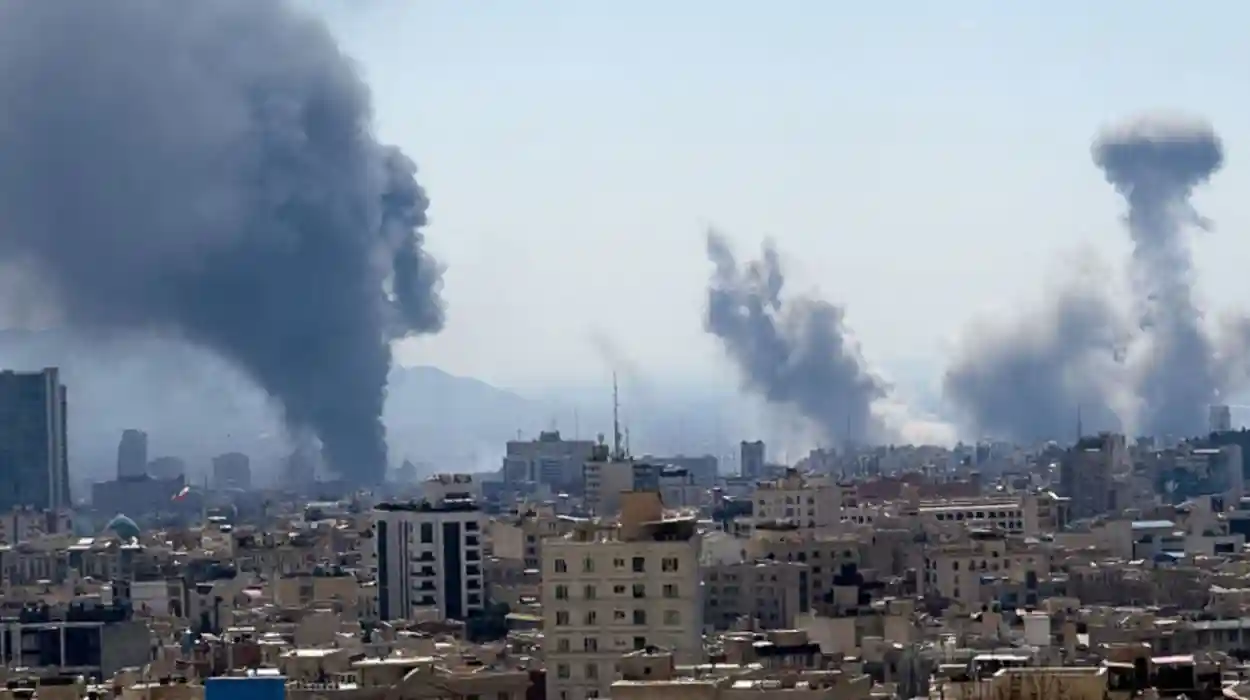
Iran’s decision to close the Strait of Hormuz followed strikes on Iranian territory by United States and Israeli forces that began on February 28. The closure sent shockwaves through global energy markets and raised concerns about supply chain disruptions affecting nations across Europe, Asia, and beyond. Kaja Kallas, the EU’s foreign policy chief, made clear during a news conference in Cyprus that such actions would not be tolerated without consequences.
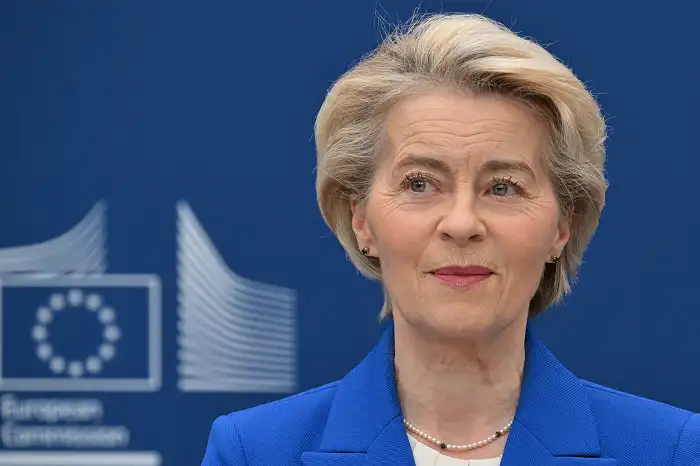
“Iran’s actions are unacceptable,” Kallas stated emphatically. “In response member states have approved sanctions against Iranian entities and individuals involved in disrupting transit through the Strait of Hormuz.” She emphasized the historic nature of the decision, adding that this marked the first application of the EU’s new freedom of navigation regime, and warned that Brussels would not hesitate to use these powers again if circumstances warranted.
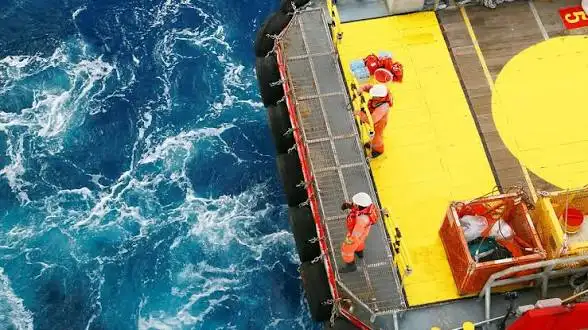
The Strait of Hormuz has long been recognized as one of the world’s most critical maritime passages, connecting the Persian Gulf with the Gulf of Oman and providing the primary export route for oil producers in the region. Any disruption to traffic through this narrow waterway has immediate repercussions for global energy prices and economic ility. European nations, many of which remain heavily dependent on oil imports despite ongoing transitions to renewable energy, view unimpeded access to the strait as a matter of strategic national interest.
Looking ahead, the sanctions signal a potential escalation in tensions between the European Union and Iran at a time when regional inility continues to threaten international commerce. Whether these measures will succeed in deterring future Iranian actions remains uncertain, but they elish a clear precedent that Brussels is willing to leverage economic tools to protect maritime freedoms. Energy markets will be watching closely to see if Iran responds with further restrictions or if diplomatic channels can reopen the crucial waterway to normal traffic levels.












Leave a comment