

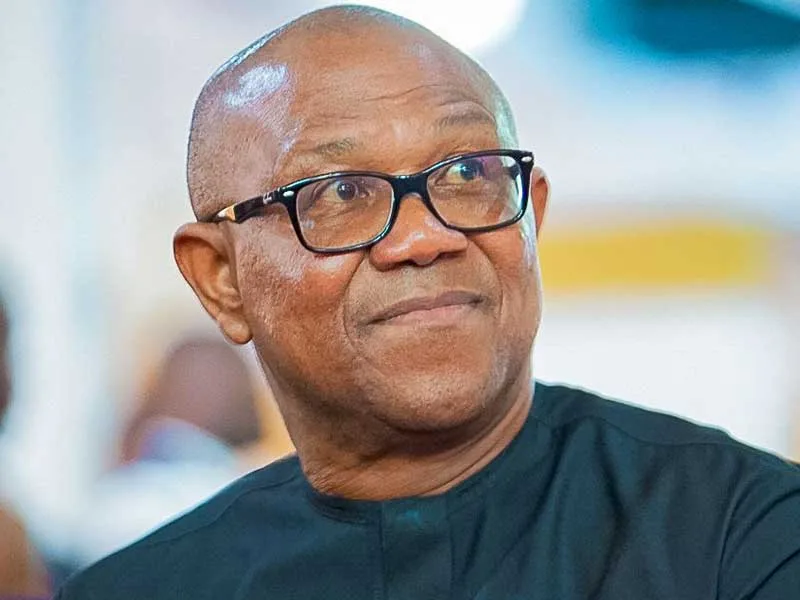
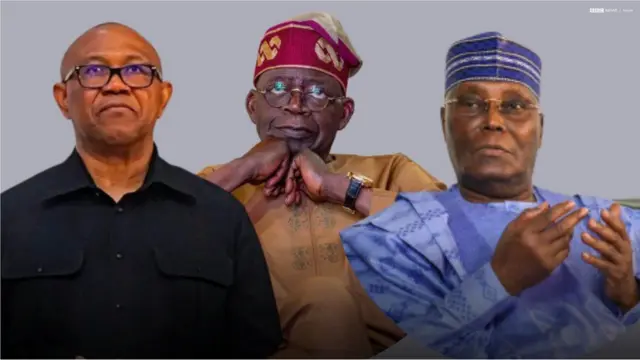
Peter Obi, the Nigerian Democratic Congress presidential candidate, has framed the upcoming 2027 election as a direct confrontation between ordinary Nigerians and the incumbent administration of President Bola Tinubu. Speaking in a video that has circulated widely across social media platforms, the former Anambra State governor renewed his assertion that he was the rightful winner of the 2023 presidential election, while insisting that electoral fraud denied him victory.
Obi’s remarks reflect a strategic pivot from contesting past results to galvanizing public sentiment for future electoral contests. According to the opposition figure, Nigeria’s fundamental challenge is a crisis of leadership that has left citizens frustrated and increasingly determined to demand ce. He argued that despite numerous sacrifices by the Nigerian people, the country continues to falter under its current political trajectory, creating an urgent need for a transformation in governance philosophy and execution.
In his statement, Obi emphasized that his political ambitions are not rooted in personal desperation for power but rather in a vision of creating opportunities for all Nigerians regardless of background. He painted a picture of an ideal Nigeria where merit trumps connections, where children from humble backgrounds can rise to positions of influence and prosperity without needing familial wealth or political patronage. This populist messaging has been a hallmark of his political brand since his emergence as a major opposition voice.
The former governor expressed confidence that Nigerian voters have learned crucial lessons from recent electoral cycles and will chart a different course when they return to the polls. His assertion that the public has reached a breaking point suggests he believes there is growing appetite for alternative leadership, particularly among younger voters and those in urban centers who have borne the brunt of economic challenges including inflation, unemployment, and currency devaluation.
Obi’s claim of victory in the 2023 presidential election remains contentious and has been disputed by electoral authorities and the ruling party. President Tinubu was declared the winner of that contest by the Independent National Electoral Commission, though opposition parties including Obi’s Labour Party at the time challenged the results through legal channels. Courts ultimately upheld Tinubu’s victory, but allegations of irregularities have continued to fuel political discourse and shape public perception of electoral integrity in Africa’s most populous nation.
Looking ahead, Obi’s positioning of the next election as a referendum on governance rather than personalities could reshape campaign dynamics as Nigeria approaches the 2027 electoral cycle. Whether his message of systemic ce will translate into electoral success remains uncertain, but his continued prominence in national political conversations indicates he will remain a significant force in Nigerian opposition politics. As economic pressures mount and public patience wears thin, the question of whether voters will embrace his vision of transformation or stick with the familiar may well determine the country’s political trajectory for years to come.
You May Like












Leave a comment