


Governor Seyi Makinde of Oyo State faces mounting political pressure as the state chapter of the All Progressives Congress calls for his immediate resignation, accusing him of deflecting responsibility for worsening security challenges that have seen schoolchildren and residents abducted by armed bandits. Speaking through state spokesman Olawale Sadare on Sunday, the opposition party delivered a scathing assessment of the governor’s recent public statements, characterizing them as a fundamental misunderstanding of constitutional powers vested in state chief executives.
Controversy erupted following remarks Makinde made Saturday during his acceptance speech as presidential candidate of the Allied Peoples Movement in Ibadan, where he lamented his inability to rescue kidnapped victims because security agencies ultimately answer to federal authorities. The governor’s comments sparked immediate backlash from opposition figures who argue that state governors possess sufficient constitutional authority and resources to address local security crises. Sadare minced no words in his rebuke, describing the governor’s position as representing the height of cluelessness, insincerity, and criminal ineptitude in the face of genuine public safety concerns.
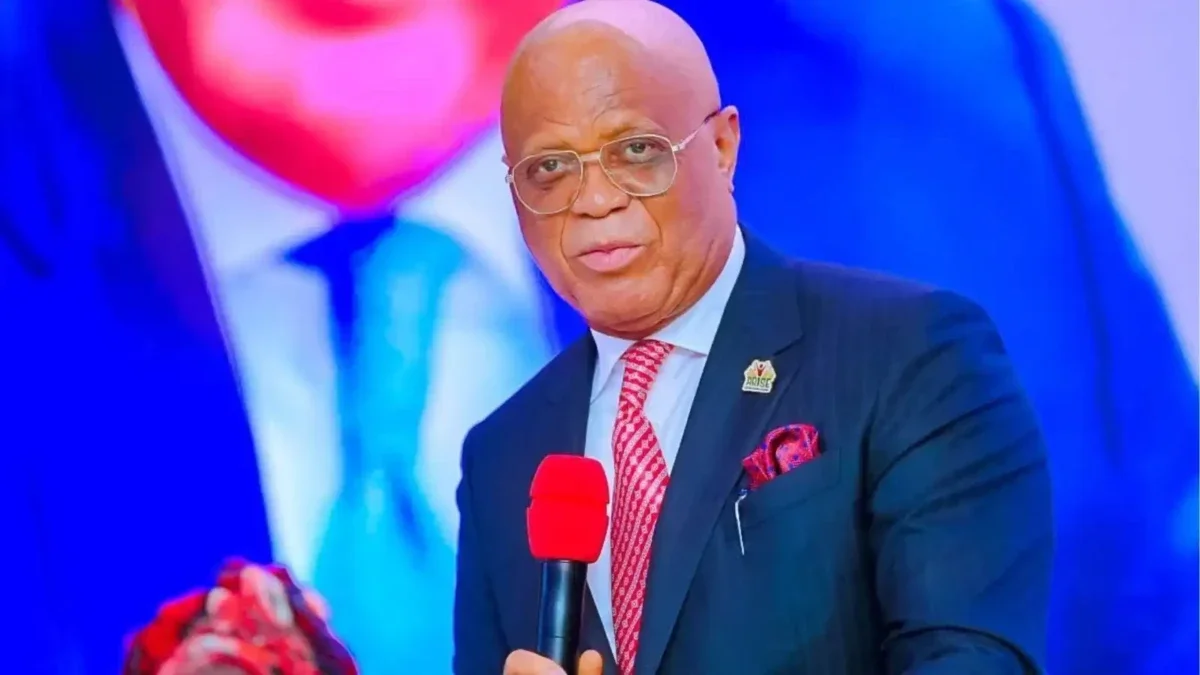
Beyond simply criticizing Makinde’s statements, the APC has taken the extraordinary step of demanding he step down from office entirely, proposing that his deputy complete the final year of the current administration. Such calls for resignation remain rare in Nigerian politics outside corruption scandals or criminal investigations, signaling the intensity of partisan conflict over security governance in the southwestern state. Recent kidnapping incidents involving schoolchildren have heightened public anxiety and created fertile ground for political s as communities question whether elected leaders are doing enough to protect citizens.
Sadare’s statement went beyond immediate security concerns to paint broader implications for democratic accountability, warning that parochial leaders pose grave dangers to Nigerian society’s growth and development. The opposition spokesman urged voters to carefully evaluate leadership qualities in future elections, framing the current dispute as symptomatic of larger governance failures rather than isolated policy disagreements. This rhetorical escalation suggests that security will remain a flashpoint issue as Oyo State approaches future electoral cycles.
Constitutional experts have long debated the division of security responsibilities between state and federal governments in Nigeria’s federal system, where police forces answer to Abuja rather than state houses. Governors frequently complain about this arrangement, arguing they bear political responsibility for security outcomes without possessing operational control over enforcement agencies. Federal authorities counter that state governments control substantial resources including security budgets, intelligence gathering capabilities, and the power to coordinate between various agencies operating within their territories.
As partisan recriminations continue, residents of Oyo State await concrete action to address kidnapping and banditry that have disrupted daily life and created climate of fear in affected communities. Whether Makinde weathers this political storm or faces sustained pressure heading into election season will depend largely on his administration’s ability to demonstrate tangible security improvements in coming months. Meanwhile, the question of how Nigeria’s federal structure allocates security powers and accountability remains unresolved, ensuring similar disputes will likely arise across other states grappling with similar challenges.
You May Like

















Leave a comment