

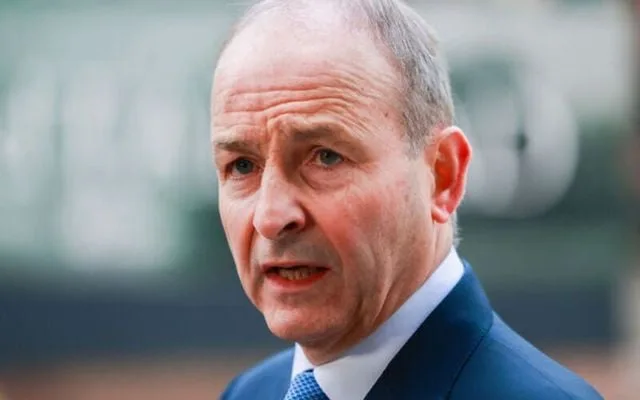
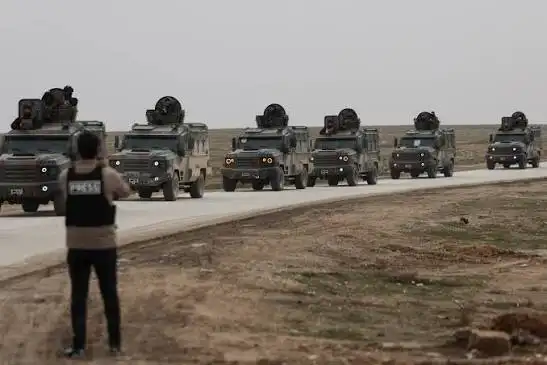
Micheál Martin faces renewed internal pressure as his proposed overhaul of Ireland’s triple lock mechanism on overseas military deployment encounters stiff resistance from within his own parliamentary party. What government officials euphemistically term a “reform” amounts in practice to scrapping one of the most significant constraints on Irish military engagement abroad, a move that has triggered what insiders describe as a renewed bout of grumbling among Fianna Fáil backbenchers. While stopping short of outright rebellion, the discontent signals yet another headache for a Taoiseach already managing a complex coalition arrangement.
Political observers Harry McGee and Cormac McQuinn joined Pat Leahy this week to dissect the brewing controversy, which represents the latest challenge for what some have dubbed Fianna Fáil’s “awkward squad.” These backbenchers, increasingly vocal about their concerns on various policy matters, have found common cause in opposing ces to the triple lock system that currently requires UN Security Council approval, government consent, and Dáil approval before Irish troops can be deployed on missions abroad. For many within the party, tampering with this safeguard crosses a red line that touches on fundamental questions of Irish neutrality and sovereignty.
Beyond the immediate political drama, the government continues wrestling with the competing demands of climate policy in an unexpectedly warm summer. As citizens across Ireland bask in unusually pleasant weather, ministers must balance expenditure between preventing future climate ce and mitigating impacts already being felt. The challenge illustrates a broader tension in contemporary governance: managing short term political pressures while making investments that may only bear fruit decades hence.
Across the Irish Sea, meanwhile, the departure of British Prime Minister Keir Starmer has done nothing to resolve the United Kingdom’s most pressing economic challenge. Growth remains stubbornly anaemic, a problem that transcends individual political leaders and speaks to deeper structural issues within the British economy. For Ireland, with its extensive trade and travel links to Britain, these economic headwinds inevitably create spillover effects that Dublin policymakers cannot ignore.
Among the other political stories commanding attention this week were contributions on seemingly mundane but symbolically important issues. Proposals for underground waste bins attracted serious commentary, while former minister Michael McDowell offered characteristically bold predictions about the political landscape. Perhaps most significantly, discussions around the divestment of Catholic school patronage continued to gain momentum, reflecting profound ongoing shifts in Irish society’s relationship with religious institutions.
Whether the triple lock controversy develops into a full blown crisis for Martin or fizzles out as previous episodes of backbench discontent have done remains to be seen. Much will depend on how forcefully the government pushes its proposed ces and whether opposition parties sense an opportunity to exploit divisions within the coalition. For now, the Taoiseach must engage in the delicate balancing act that has defined much of his tenure: pursuing policy objectives while managing the various factions and sensitivities within his own party and the broader government. How he navigates this latest challenge will offer fresh insights into both his political s and the cohesion of the coalition as it approaches future electoral tests.
You May Like









Leave a comment