


Nigeria is confronting one of its most severe food security emergencies in nearly a decade, with more than 17 million people across nine northern states now facing crisis levels of hunger, according to a recent United Nations World Food Programme assessment that has ignited fierce political criticism of President Bola Tinubu’s economic and security policies. The African Democratic Congress has seized on the findings to accuse the administration of gross incompetence and indifference to the plight of ordinary citizens, claiming that government failures have transformed what could have been manageable challenges into a full-blown humanitarian catastrophe.
Party spokesman Bolaji Abdullahi issued a sharply worded statement condemning what he characterized as the cruel neglect of millions of Nigerians who are literally starving under the current government’s watch. The opposition politician argued that the hunger crisis is not a natural disaster but rather a man-made emergency born from failed policies, unchecked violence, and economic decisions that have placed basic food items beyond the financial reach of vast segments of the population. According to the UN assessment, the number of people facing Crisis, Emergency or Catastrophic levels of food insecurity represents an increase of nearly two million from previous projections, underscoring the rapidly deteriorating situation on the ground.
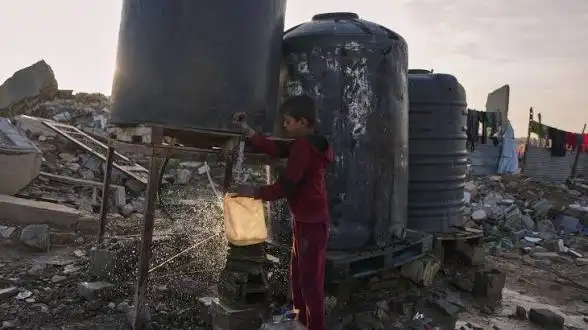
Borno State has emerged as the epicenter of the crisis, with more than three million residents experiencing acute food insecurity. Across the northeastern states of Borno, Adamawa and Yobe, the combined figure has climbed to 6.2 million people, a staggering number that reflects both the ongoing security challenges in the region and the broader economic pressures affecting the entire country. Farming communities have been particularly hard hit, with banditry and terrorist activities displacing agricultural workers and disrupting food production cycles that are critical to both local consumption and national supply chains.
The African Democratic Congress placed blame squarely on the Tinubu administration’s handling of security concerns and economic management, arguing that the government has repeatedly failed to protect farmers and agricultural communities from violent s. Abdullahi’s statement emphasized that for three years, officials have assured Nigerians that current hardships are temporary sacrifices necessary for long-term prosperity, yet the humanitarian data tells a different story entirely. Food inflation continues to worsen, agricultural output is declining, and insecurity is spreading rather than receding, creating a vicious cycle that pushes more families into desperate circumstances with each passing month.
The political implications of the UN findings extend far beyond immediate humanitarian concerns, touching on fundamental questions about governance capacity and policy effectiveness in Africa’s most populous nation. Opposition parties are likely to use the report as ammunition in upcoming electoral contests, framing the hunger crisis as evidence of systemic failure at the highest levels of government. Meanwhile, the administration faces mounting pressure to demonstrate concrete results from economic reforms that were promised to deliver growth and ility but have instead coincided with deteriorating living conditions for millions of ordinary citizens who struggle to afford basic necessities.
Looking ahead, the government will need to address both immediate humanitarian needs and longer-term structural challenges if it hopes to reverse the troubling trajectory outlined in the World Food Programme assessment. International agencies and development partners will be watching closely to see whether Nigerian authorities can mobilize effective responses to feed vulnerable populations while simultaneously tackling the security threats and economic distortions that underpin the crisis. Without coordinated action on multiple fronts, experts warn that the number of food-insecure Nigerians could continue climbing, potentially deilizing regions already strained by conflict and deepening the political fault lines that threaten national cohesion in a country where hunger has become a rallying cry for frustrated citizens demanding accountability from their leaders.





















Leave a comment