

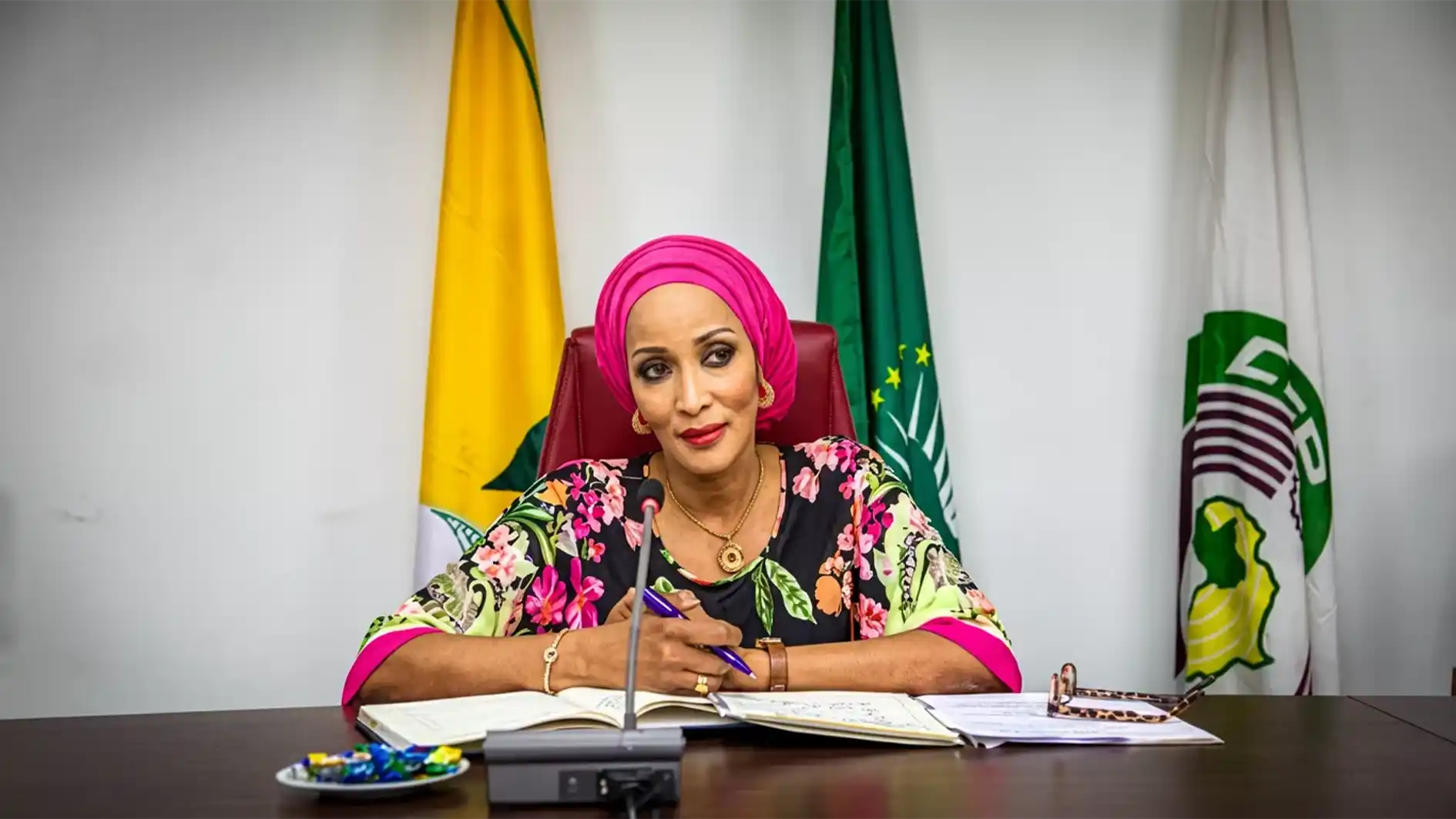
Nigeria has formally summoned the Ivorian Ambassador to Abuja following the death of a Nigerian citizen who d in detention at a prison in Abidjan after being held for nearly a year without trial. Foreign Affairs Minister Bianca Odumegwu Ojukwu convened the meeting with Ambassador Kalilou Traore on Friday, demanding answers and compensation for the family of the deceased, Usama Murtala, whose prolonged incarceration ended in tragedy. The diplomatic intervention marks an escalation in tensions between the two West African nations over the treatment of Nigerian citizens abroad.
Usama Murtala was among six young Nigerian traders from Sokoto State who traveled by road to Abidjan in August 2025 on what was meant to be a routine business trip. The group, which also included Aliyu Malami, Shamsu Abubakar, Nasiru Umar, Liman Mohammed, and Sa’adu Bello, was arrested upon arrival and detained at the notorious MACA Prison in Abidjan. Despite their detention lasting nearly eleven months, the men were never formally charged or brought to trial. The circumstances surrounding their arrest remain unclear, raising questions about due process and the treatment of foreign nationals in Ivorian custody.

During her meeting with the Ivorian envoy, Minister Odumegwu Ojukwu did not mince words about the gravity of the situation. She called for appropriate compensation to be paid to the family of the deceased and emphasized that while the five surviving detainees have now been released and reunited with their families, the memory of their lost colleague will haunt them. The minister revealed disturbing details about the conditions the men endured during their imprisonment, noting that two of the survivors were critically ill due to severe malnutrition. The detainees were reportedly fed only once per day, a condition that falls far below international standards for humane treatment of prisoners.
The release of the five surviving Nigerians came only after sustained diplomatic pressure from the Nigerian Mission in Côte d’Ivoire and persistent interventions by the Ministry of Foreign Affairs in Abuja. Such protracted negotiations highlight the challenges Nigerian diplomats face in protecting citizens abroad, particularly in cases where local authorities fail to adhere to basic principles of justice and human rights. Cross border trading has long been a source of livelihood for many Nigerians in the West African subregion, but incidents like this expose the vulnerabilities traders face when venturing into neighboring countries.
The death of Usama Murtala in custody raises broader questions about the state of prison conditions across West Africa and the protection of citizens’ rights within the Economic Community of West African States framework. While ECOWAS protocols guarantee freedom of movement and the rights of citizens across member states, enforcement mechanisms remain weak. Nigeria, as the region’s most populous nation and largest economy, has increasingly found itself advocating for its citizens who run afoul of authorities in neighboring countries, often with limited success until situations reach crisis proportions.
What happens next will test the strength of diplomatic relations between Nigeria and Côte d’Ivoire, two countries that have generally maintained cordial ties despite occasional friction. Nigeria will likely press for a formal investigation into the circumstances of Usama’s death and the conditions that led to the deterioration of his health while in custody. Whether Abidjan will accede to demands for compensation and reforms remains to be seen, but the case has already attracted attention from human rights organizations and could influence how Nigerian traders and travelers view their safety in francophone West Africa. For the families of those detained, however, diplomatic victories come too late to undo the trauma of nearly a year of uncertainty and the permanent loss of a loved one.














Leave a comment