

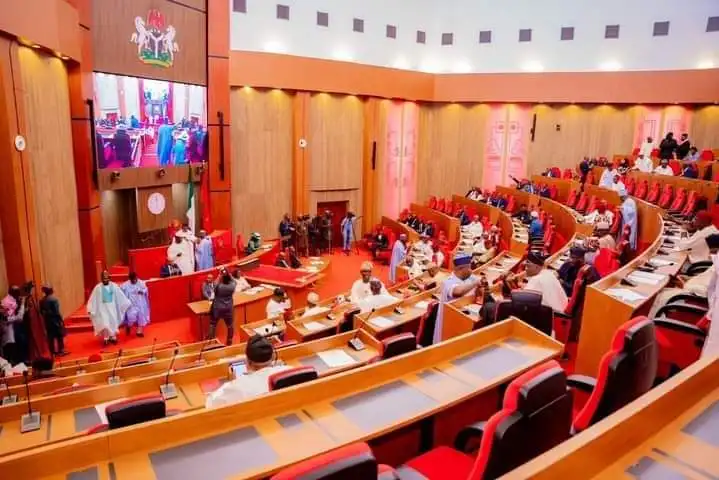
Nigeria’s House of Representatives has ordered a comprehensive investigation into the human casualties and economic devastation suffered by Nigerian citizens during years of xenophobic violence in South Africa, marking the most serious legislative response yet to s that have strained diplomatic relations between the two African powerhouses. The move comes amid renewed concern over anti-foreigner sentiment targeting Nigerian migrants and business owners who have built lives in South Africa over the past two decades.
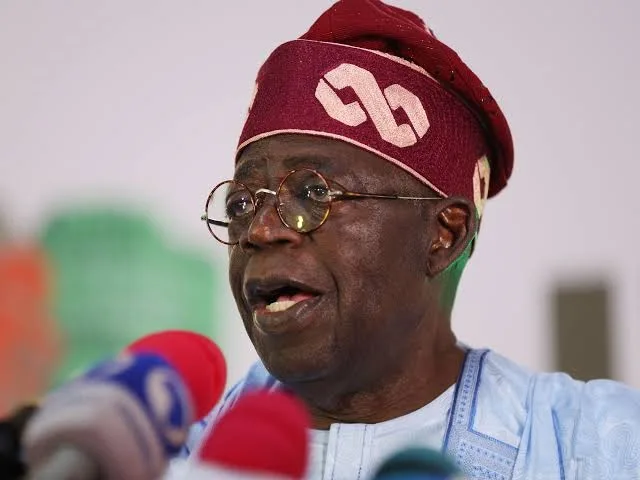
Babajimi Benson, representing Ikorodu Federal Constituency in Lagos State, brought the motion to the floor during Tuesday’s plenary session, arguing that Nigeria’s failure to maintain detailed records of the losses has fundamentally undermined efforts to seek justice and compensation. Without authoritative documentation of ings, property destruction, and forced displacement, Benson contended, Nigerian diplomats have lacked the evidential foundation needed to press their South African counterparts for meaningful accountability. His proposal gained immediate traction among fellow lawmakers who have watched violence against Nigerians recur with disturbing regularity.
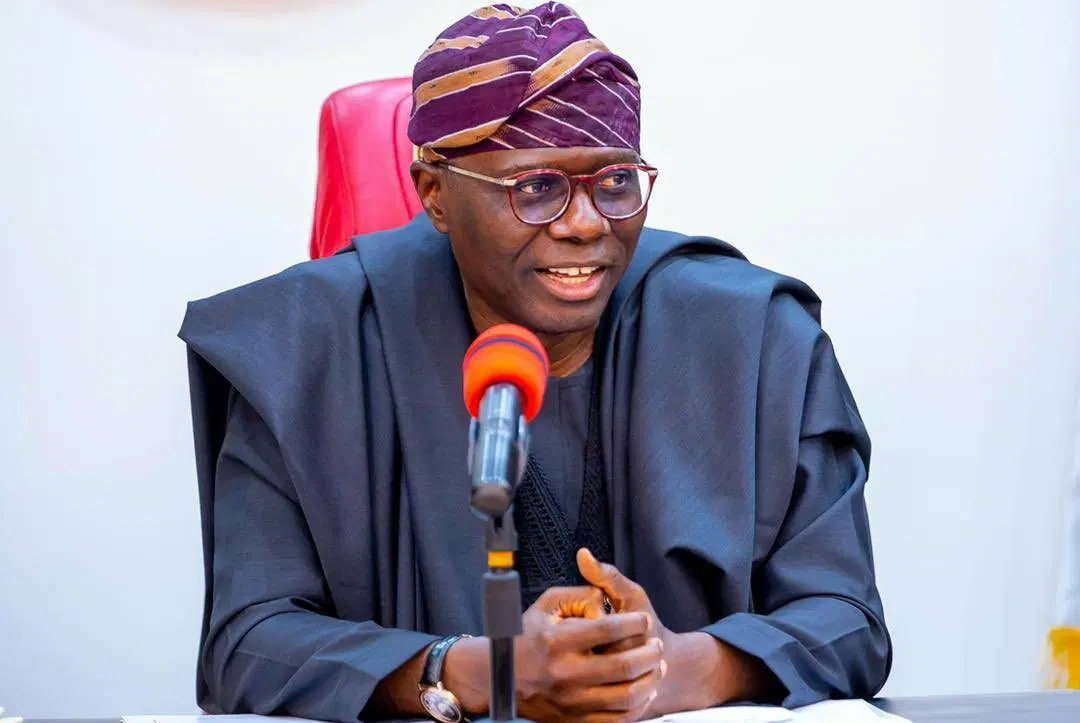
Benson reminded the chamber of Nigeria’s substantial support for South Africa during the anti-apartheid struggle, a period when Nigeria made considerable diplomatic, financial, and political sacrifices to help secure freedom for millions living under racial oppression. That historical solidarity, he suggested, makes the continued targeting of Nigerians in South Africa particularly painful and perplexing. Lawfully resident Nigerians have faced nearly two decades of mob violence, ings, physical assaults, arson s, business looting, property destruction, forced displacement, and organized hate campaigns directed at African migrants more broadly.
Recent operations by groups such as Operation Dudula have intensified concerns about the safety of foreign nationals in South Africa. Previous waves of xenophobic violence erupted in 2008, 2015, 2017, 2019, and 2021, each outbreak triggering diplomatic tensions, emergency evacuations of Nigerian citizens, and repeated promises from South African authorities to prevent future s. Yet despite condemnations from earlier sessions of the National Assembly and calls for diplomatic intervention, no systematic effort has been made to document the full scope of Nigerian losses, including the number of people ed, injured, or displaced, or the total value of destroyed businesses and properties.
Benson argued forcefully that condemnation alone, however heartfelt, cannot substitute for institutional documentation and analysis. Without comprehensive data, neither the Federal Government nor the National Assembly possesses the authoritative basis needed for effective policy formulation, targeted legislative intervention, or sustained diplomatic negotiations that could yield concrete results. Following debate, the House adopted the motion and directed its Committees on Integration and Cooperation in Africa and the Diaspora, along with the Committee on Foreign Affairs, to conduct a thorough investigation into all casualties and property losses from both previous and recent xenophobic s.
The committees have received a mandate extending beyond simple documentation. They must compile an inventory of abandoned properties, recommend specific diplomatic measures and legal options, and propose bilateral engagements designed to ensure accountability for perpetrators, secure compensation for victims where applicable, and strengthen protections for Nigerians living in South Africa. Lawmakers have given the committees four weeks to complete their work and report findings to the full House for further legislative action. Whether this investigation will finally produce the comprehensive accounting that has eluded previous efforts remains to be seen, but the move signals a more determined approach to protecting Nigerian citizens abroad and ensuring that historical bonds of solidarity translate into present day security and respect.
You May Like
















Leave a comment