

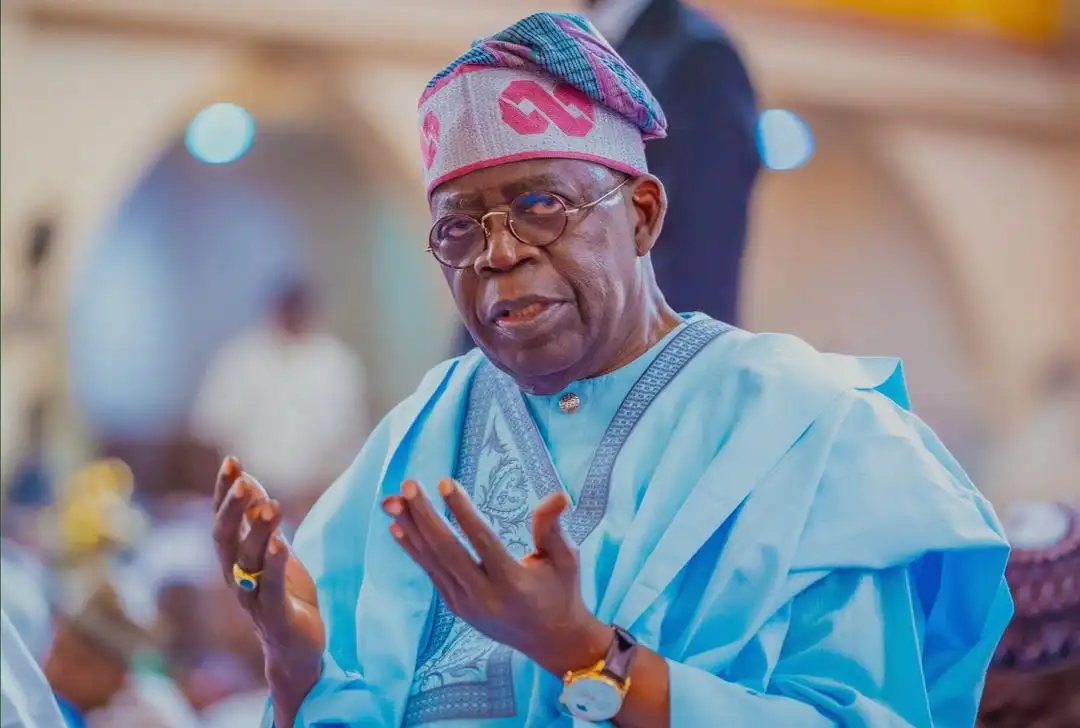
Nigeria’s Federal Government has officially commenced the reconstruction and dualization of the Gombe to Biu highway, a landmark infrastructure project valued at N1.245 trillion that promises to transform transportation and commerce across the Northeast region. Works Minister David Umahi and Gombe State Governor Muhammadu Inuwa Yahaya performed the flag off ceremony on Thursday, acting on behalf of President Bola Tinubu in what represents one of the administration’s most ambitious road infrastructure investments to date.
The project will see Hi-Tech Construction Company reconstruct and expand the 139 kilometre corridor using advanced rigid pavement technology, a significant upgrade from traditional asphalt surfaces that offers greater durability and lower maintenance costs over the lifespan of the road. Minister Umahi emphasized that the highway forms a critical component of the federal government’s broader infrastructure priorities, designed to unlock economic potential in regions that have historically suffered from inadequate road networks. The scope has been expanded from an initial 125 kilometres following a request by Governor Inuwa to route the highway through the Northern Bypass, adding 14 kilometres to better serve local communities and optimize traffic flow.

Governor Inuwa underscored the strategic importance of the corridor, describing it as a vital economic and social artery that connects the Northeast with other parts of Nigeria and neighboring countries. The highway serves as a critical link for agricultural produce, manufactured goods, and cross border trade, with its current degraded state hampering economic activity and increasing transportation costs for businesses and commuters alike. Improved infrastructure along this route is expected to catalyze trade, reduce travel times, and strengthen regional integration across West Africa’s expanding economic landscape.
The existing road infrastructure tells a story of neglect spanning nearly half a century. Originally constructed in 1962 during the early years of Nigerian independence, the highway received its last major resurfacing in 1976, leaving it to deteriorate through decades of heavy use and insufficient maintenance. Governor Inuwa expressed gratitude to President Tinubu for approving the project and pledged full cooperation between state authorities, federal agencies, and the construction contractor to ensure timely completion to specified standards. The decades of deferred maintenance have left the road in a perilous condition, contributing to frequent accidents and severely limiting its capacity to support modern commercial traffic.
Rigid pavement technology, which will be employed in the reconstruction, represents a departure from conventional flexible asphalt surfaces commonly used on Nigerian highways. Concrete pavements offer superior load bearing capacity, making them ideal for heavy commercial vehicles that dominate this trade route. They also demonstrate greater resistance to rutting, potholes, and weather related damage, potentially reducing lifecycle costs despite higher initial construction expenses. For a corridor expected to carry increasing volumes of freight traffic as regional economies expand, this technological choice reflects a long term investment perspective rather than short term cost minimization.
As construction gets underway, attention will now turn to project management and timely delivery of this transformative infrastructure. The scale of investment and strategic importance of the corridor mean that delays or quality compromises would carry significant political and economic consequences. Stakeholders across the Northeast will be watching closely to see whether this project can avoid the pitfalls that have plagued previous major highway reconstructions in Nigeria, including cost overruns, extended timelines, and substandard workmanship. Success here could elish a template for similar investments in other regions, while failure would reinforce skepticism about the government’s capacity to deliver on ambitious infrastructure promises.



















Leave a comment