

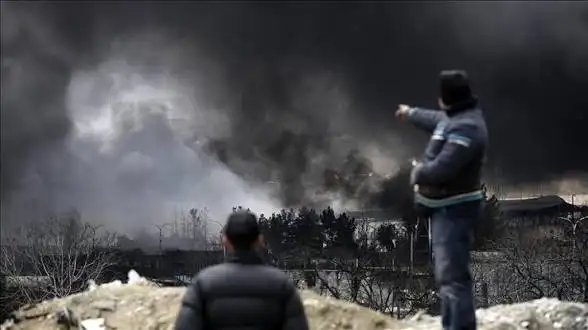
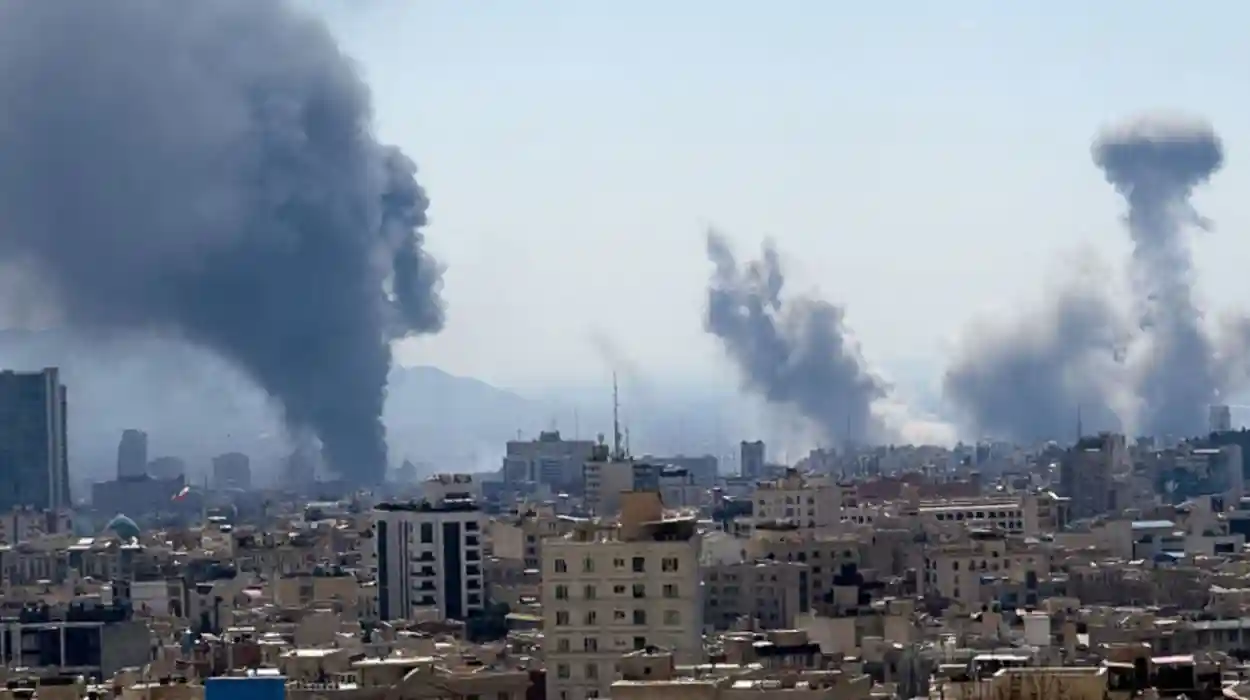
Iranian leaders have signaled that the country may respond following damage to key oil infrastructure that officials say resulted from recent United States military operations. Government representatives in Tehran described the strikes as a direct challenge to the nation’s economic lifelines and warned that Iran would not remain silent if pressure on its energy sector continues. The statements were delivered through official channels and state media as tensions across the region remain elevated.
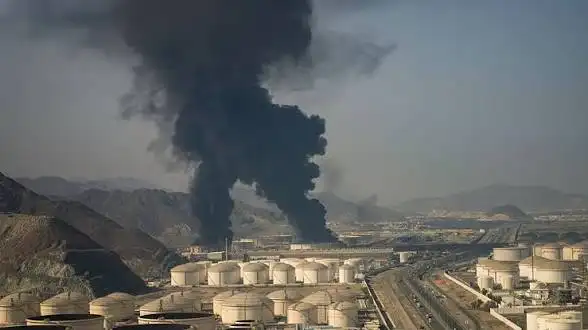
Energy facilities targeted during the recent confrontation play an important role in Iran’s ability to produce and export crude oil. Analysts note that these installations support both domestic supply and international shipments that generate critical revenue for the Iranian government. Damage to such facilities raises concerns about the country’s economic resilience, especially at a time when regional tensions are already placing pressure on trade routes and energy markets.
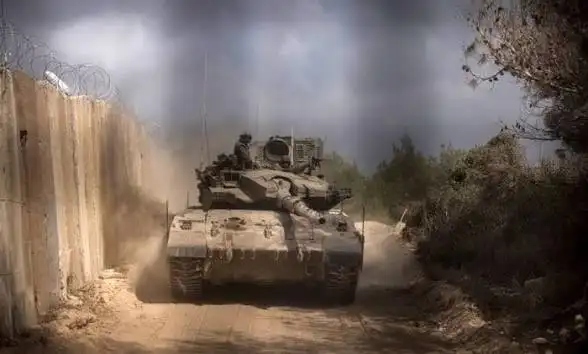
Iranian authorities have emphasized that any response would be framed as an act of national defense rather than escalation. Officials say the country retains the right to protect its territory and safeguard infrastructure considered essential to national development. Military leaders in Tehran have also indicated that planning is underway to evaluate possible options should further pressure be placed on energy installations or other strategic locations within the country.
The situation has prompted a strong reaction from governments across the Middle East and beyond. Diplomatic officials in several countries are urging restraint while quietly engaging in discussions aimed at preventing further deterioration in relations between Washington and Tehran. Observers say the region faces a delicate moment in which even limited actions could influence broader political and economic conditions.
Global attention remains focused on how both sides will proceed in the coming period. Energy markets, security analysts, and diplomatic institutions are all closely monitoring developments as they attempt to assess the risk of wider confrontation. For many governments, the priority now lies in preventing additional disruption to regional ility while maintaining open channels for dialogue that could reduce the chances of further confrontation.
















Leave a comment