

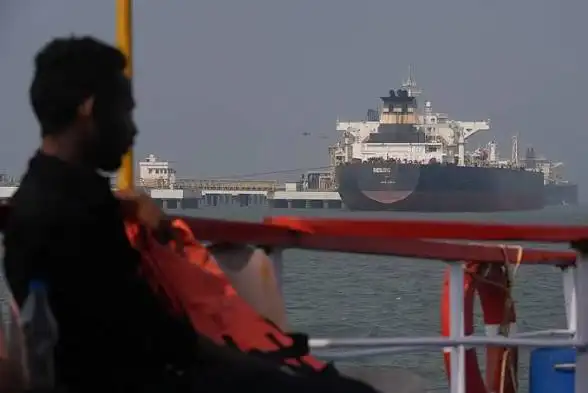
Commercial tanker movement through the Strait of Hormuz has declined sharply as shipping companies respond to growing security concerns linked to the widening conflict in the Middle East. Maritime monitoring groups report that the number of vessels traveling through the narrow waterway has dropped significantly as operators delay voyages or redirect ships to safer locations. The slowdown has raised alarm among governments and energy traders who rely on the route for a large share of global oil transportation.
The Strait of Hormuz is widely regarded as one of the most important maritime passages for the global energy industry. Large volumes of crude oil from Gulf producers normally move through the corridor before heading toward markets in Asia, Europe, and other regions. As tensions in the surrounding area intensify, ship owners are becoming increasingly cautious about exposing crews and cargo to potential danger.
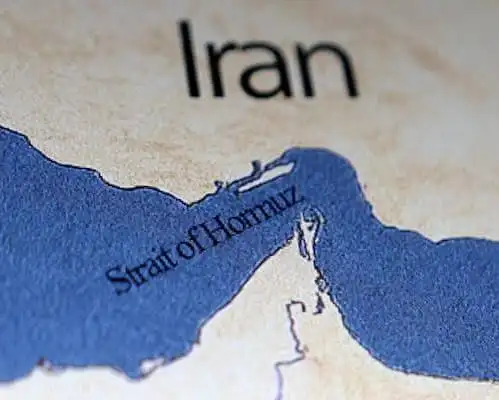
Shipping companies say the decision to limit traffic is based on risk assessments conducted with maritime security advisers. Some vessels have chosen to remain anchored outside the region while others are waiting for military escorts or clearer security guarantees before continuing their journeys. Insurance costs for ships operating in the area have also risen dramatically, adding further pressure on operators to reconsider planned routes.
The reduction in tanker movement is already influencing global energy markets. Analysts note that even a short term interruption in oil shipments through the Strait of Hormuz can have major consequences for supply chains and fuel prices. Energy traders are closely monitoring vessel tracking data as they attempt to estimate how much crude oil may be delayed or diverted as a result of the crisis.
Government officials in several countries are now discussing ways to safeguard commercial shipping in the region. Naval patrols and international coordination efforts are being evaluated as possible measures to reassure the shipping industry and restore confidence in the waterway. Until security conditions improve, however, maritime experts believe tanker traffic through the Strait of Hormuz will likely remain far below its usual levels, reinforcing concerns about continued pressure on global energy supplies.

















Leave a comment