

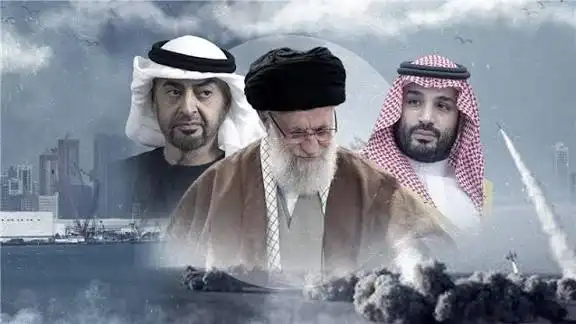
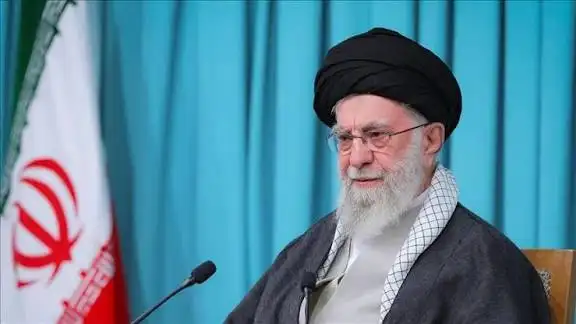
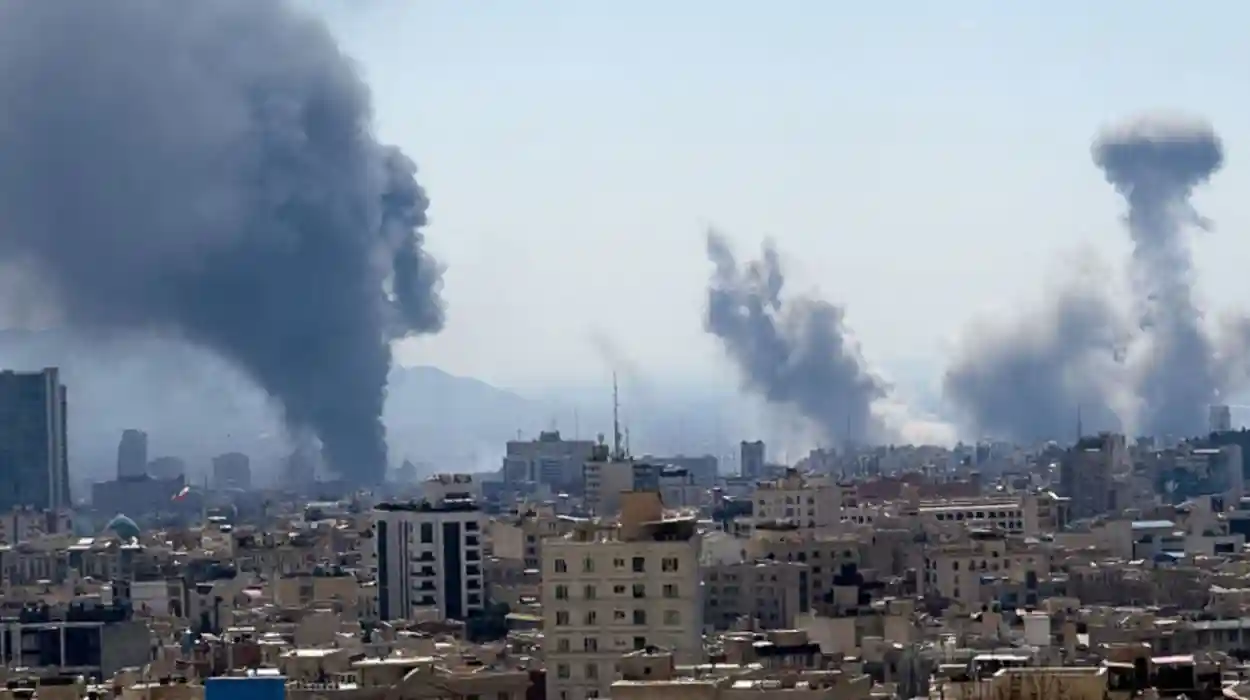
Iranian leaders are signaling that the country intends to pursue a strategy of endurance as its confrontation with Israel and the United States continues to unfold across the Middle East. Officials in Tehran have indicated that the conflict may develop into a prolonged contest of resilience rather than a short military confrontation. Analysts say the messaging reflects an effort to demonstrate that Iran is prepared for sustained pressure while seeking to maintain internal ility during the crisis.
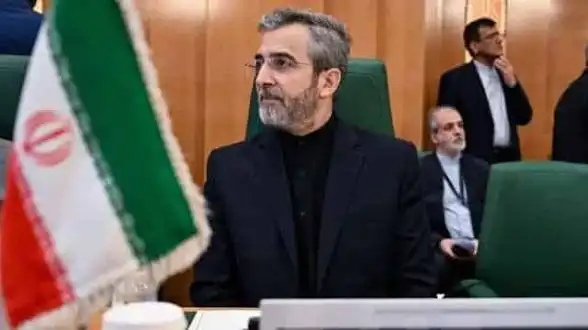
Government statements and public broadcasts have increasingly focused on themes of national resistance and long term preparedness. Iranian officials have emphasized that the country has faced international pressure in the past and developed systems designed to withstand economic and military strain. Political commentators inside the country have framed the current conflict as part of a wider geopolitical struggle that requires patience and coordinated national effort.
Military experts observing the situation note that endurance strategies often rely on preserving core infrastructure and maintaining the ability to operate over extended periods. Iran appears to be adapting its operations to reduce vulnerability while continuing to signal its ability to influence events across the region. Security analysts say this approach aims to convince opponents that sustained pressure will not quickly produce strategic concessions.
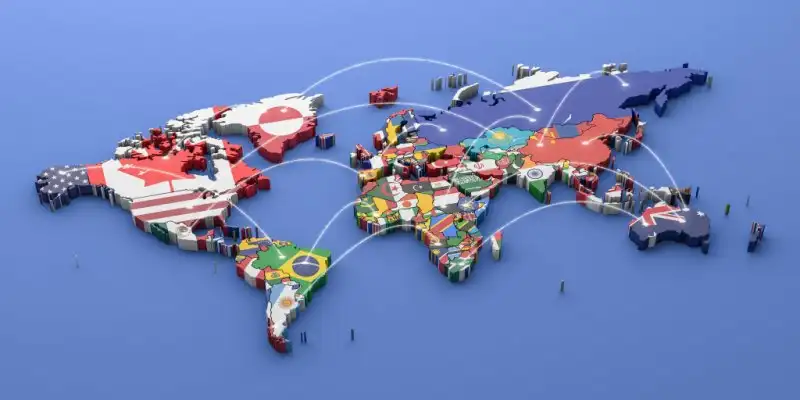
The broader region is watching closely as the conflict continues to evolve. Governments across the Middle East are assessing how a prolonged confrontation could reshape alliances, trade routes, and security arrangements. Several Gulf states have strengthened defense readiness while also supporting diplomatic initiatives designed to prevent the crisis from spreading further across neighboring countries.
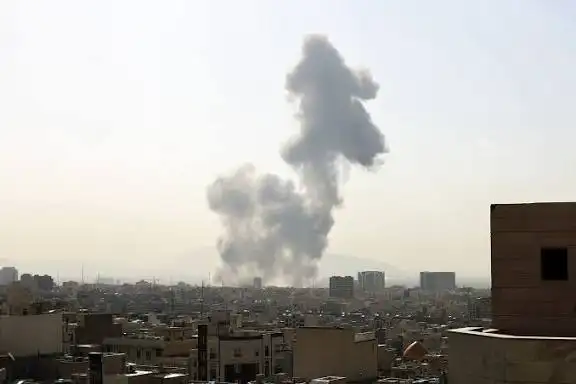
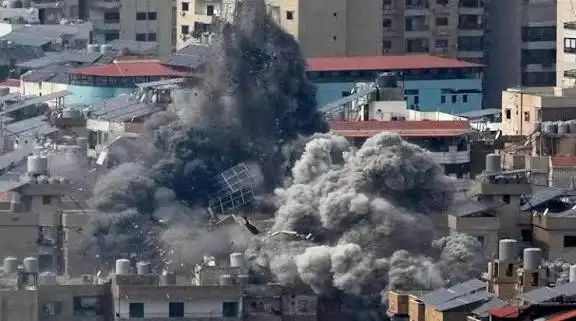
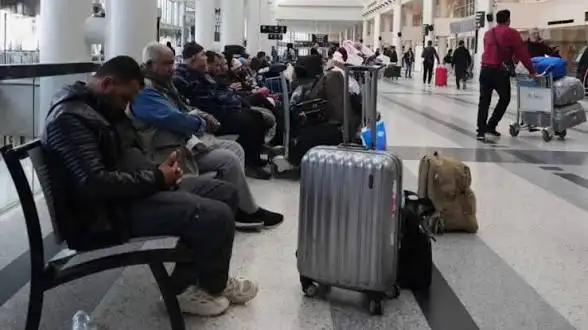
International observers say the emphasis on endurance may indicate that the conflict could remain active for an extended period. Economic institutions, humanitarian organizations, and foreign governments are preparing for the possibility that tensions may influence global energy supply and regional ility for months or longer. As diplomatic discussions continue behind the scenes, the situation remains fluid with many uncertainties about how the confrontation will ultimately develop.
You May Like












Leave a comment