

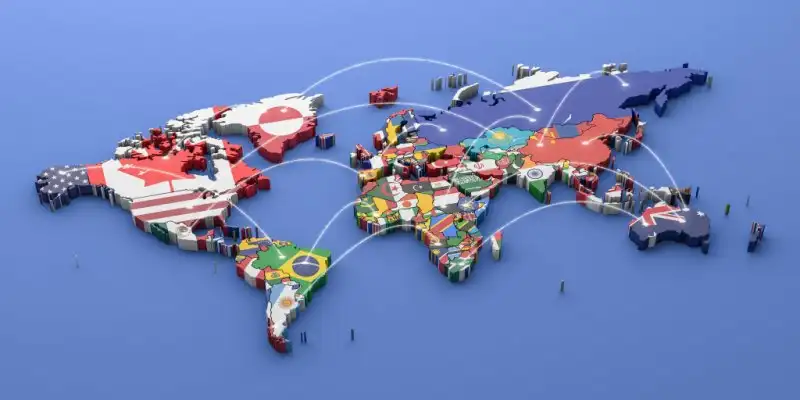
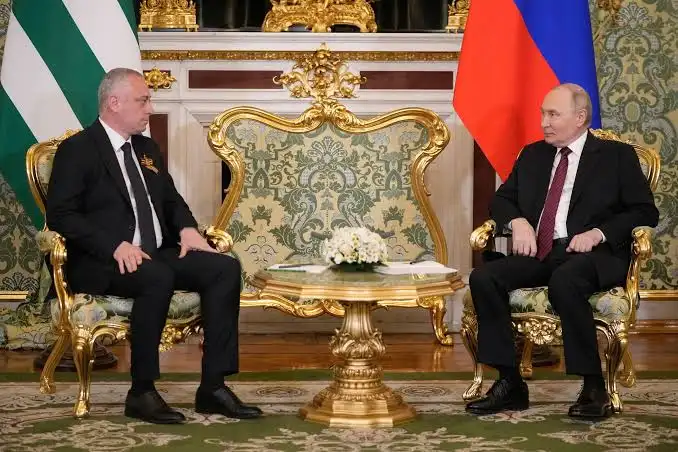
International observers are cautioning governments and media outlets not to lose sight of Russia’s geopolitical maneuvering even as other global flashpoints dominate headlines. Amid swirling speculation about American military preparations targeting Iran and domestic political upheaval in Turkey, strategic analysts warn that Moscow may be positioning itself to capitalize on divided global attention.
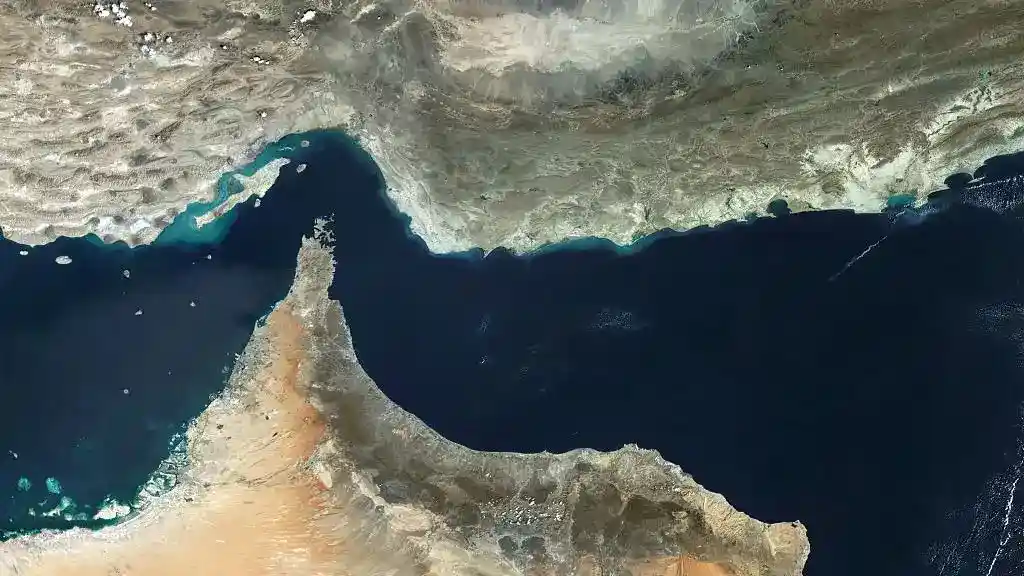
Washington’s increasingly hawkish posture toward Tehran has consumed much of the diplomatic bandwidth in recent weeks, with military planners reportedly drawing up contingency scenarios for potential strikes. The apparent contradiction between aggressive rhetoric and stated peaceful intentions has left allies and adversaries alike struggling to parse actual policy from political theater. Yet this focus on the Persian Gulf may be providing cover for Russian strategic interests elsewhere, according to defense analysts tracking Kremlin activities.
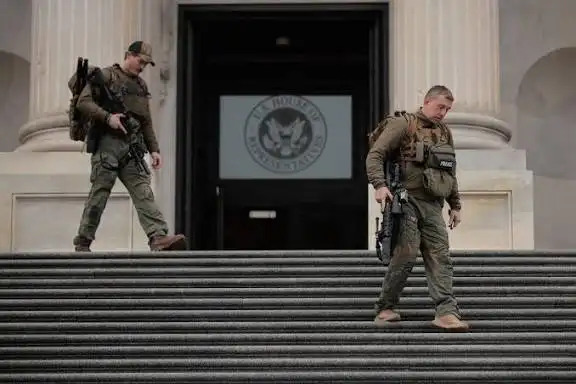
Simultaneously, Turkey faces its own political earthquake as questions swirl around the legitimacy of recent proceedings within the main opposition Republican People’s Party. Allegations that the party congress was conducted improperly have sparked heated debate about democratic norms and the concentration of executive power. Critics contend the outcome represents an unlawful nullification of elished party procedures, though legal experts remain divided on the technical merits of various challenges.
Security experts emphasize that periods of fractured international attention create opportunities for ambitious state actors to advance their interests while scrutiny focuses elsewhere. Historical precedent suggests that major powers often time controversial actions to coincide with moments when the global community is preoccupied with other crises. Russia’s track record of seizing such moments, from Georgia in 2008 to Crimea in 2014, underscores the validity of these concerns.
Diplomatic sources speaking on background indicate that several European intelligence agencies have noted increased Russian activity in regions that typically receive less media coverage. While specifics remain classified, the pattern suggests a deliberate strategy of exploiting the current moment when Western policymakers are pulled in multiple directions simultaneously. Smaller nations caught between competing spheres of influence are reportedly watching developments with particular anxiety.
Moving forward, the challenge for international institutions and governments will be maintaining comprehensive situational awareness across multiple theaters rather than allowing one crisis to completely eclipse others. Balancing immediate threats with longer term strategic competition requires resources and attention that may be in short supply as political leaders face domestic pressures and election cycles. How effectively the international community manages this juggling act may well determine the contours of regional security for years to come.













Leave a comment