

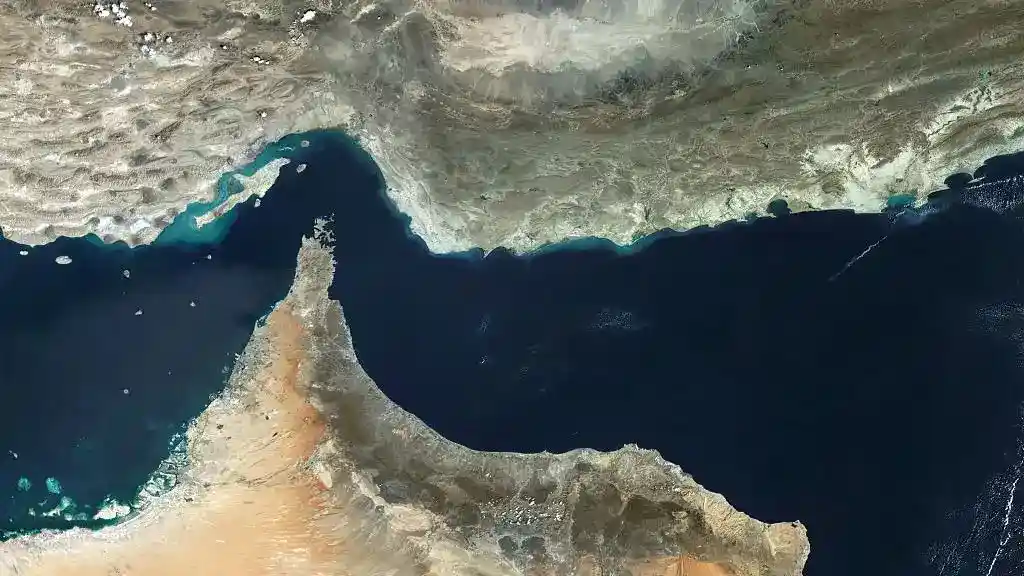
Iran has stated that the Strait of Hormuz remains open to shipping from countries it considers friendly, despite ongoing tensions in the region and restrictions imposed by its armed forces.
Speaking on the sidelines of the BRICS foreign ministers meeting in New Delhi on Friday, Iranian Foreign Minister Abbas Araghchi said the strategic waterway was only restricted to nations viewed as hostile to Iran.
According to Araghchi, “From our point of view, the Strait of Hormuz is not closed, particularly not to friendly nations. It is closed only to our enemies.”
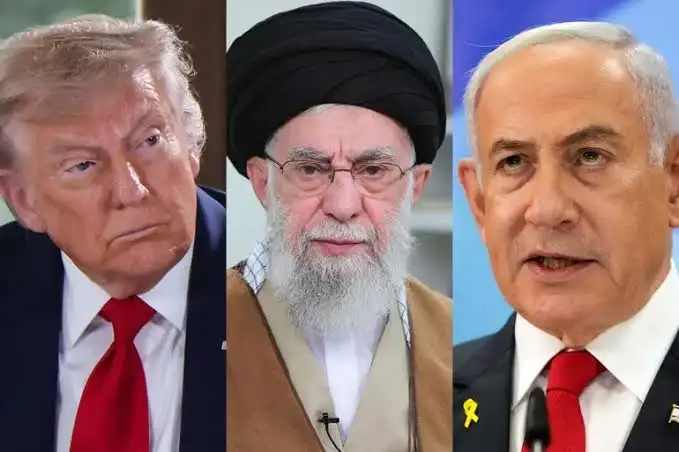
The Iranian foreign minister also hinted at the possibility of easing current restrictions in the future. He explained that safe and unrestricted passage for all ships could be restored if the conflict involving Iran, the United States and Israel comes to an end.
He stated that Iran would ensure safe passage for every vessel once the war situation is resolved.
The Strait of Hormuz remains one of the world’s most important shipping routes, especially for global oil and energy exports. Shortly after the conflict escalated earlier this year, Iranian armed forces reportedly took control of the strategic waterway, resulting in increased inspections, threats and s on ships passing through the area.
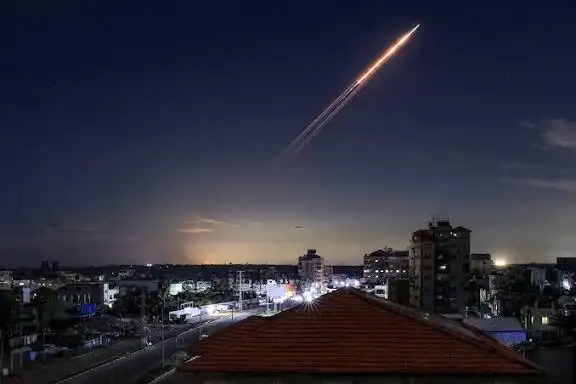
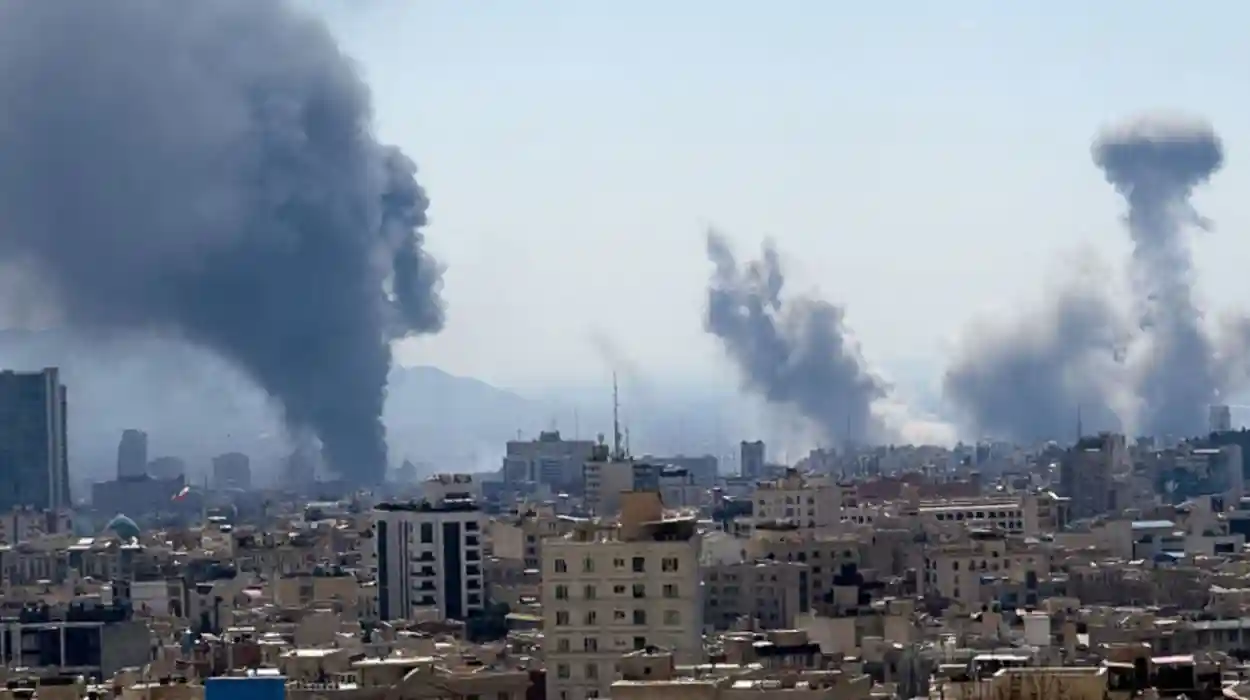
The situation caused major disruptions to global shipping and contributed to rising fuel and energy prices worldwide. Iran has also claimed that mines were placed in parts of the strait during the crisis.
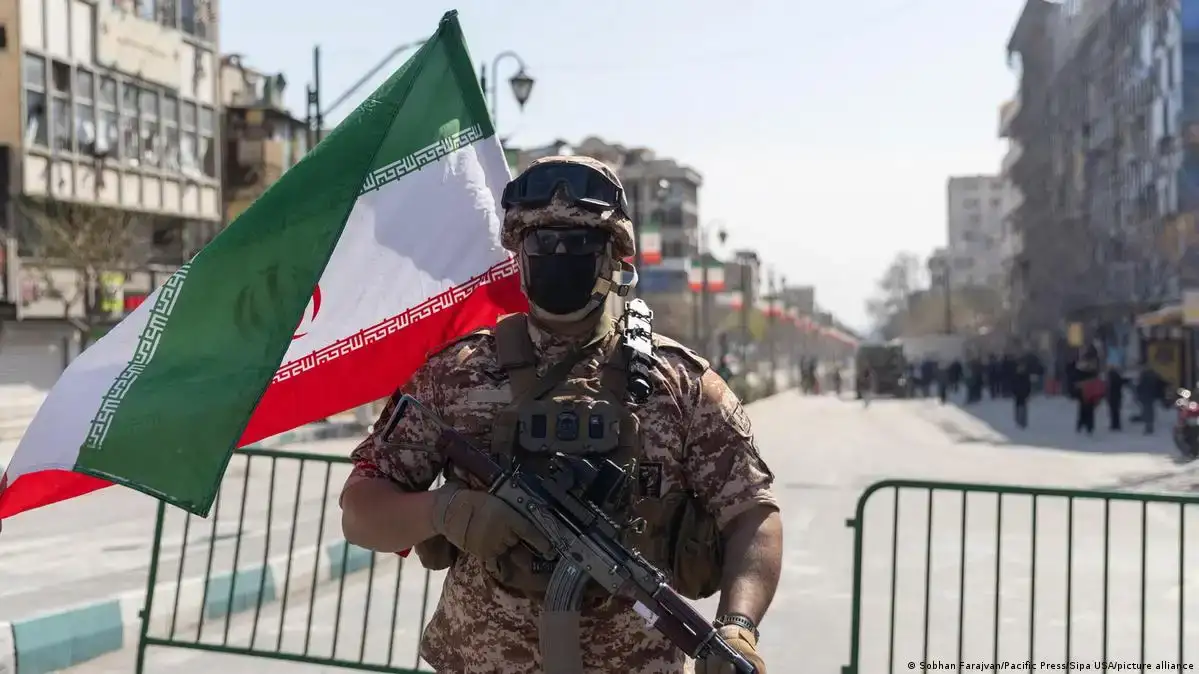
Although Tehran insists the route is not officially blocked, shipping companies are reportedly required to coordinate with Iranian authorities before passage and are directed through a designated corridor near the Iranian coastline.
International law experts have questioned some of the measures introduced by Iran, particularly the high fees reportedly demanded from passing ships, arguing that such actions may violate international transit rights.
Meanwhile, the United States had earlier imposed a naval blockade against Iran in an effort to reduce the country’s oil revenue and increase pressure on Tehran.
The latest remarks by Iran come amid growing international concern over ility in the Middle East and the impact of regional tensions on global energy markets.













Leave a comment