

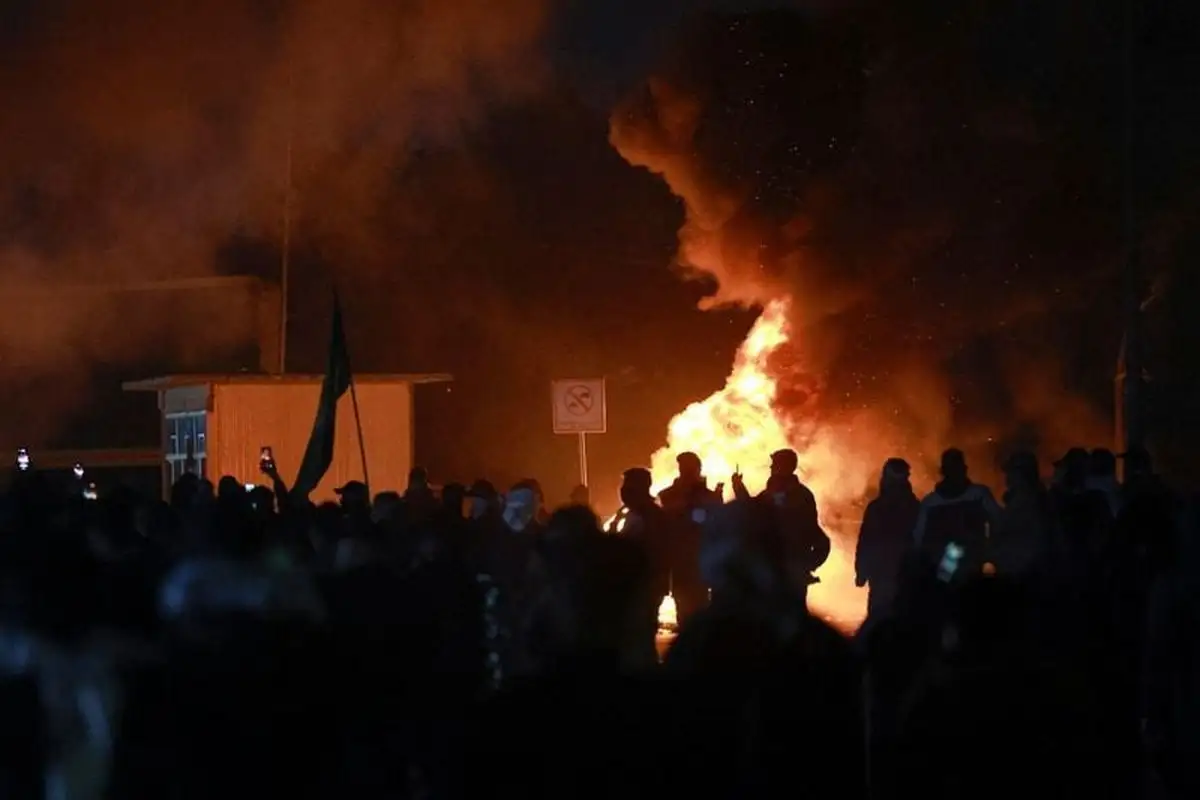
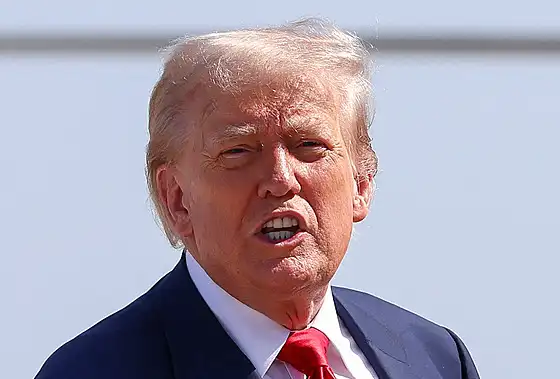
Oil markets jumped to session highs Friday as fresh intelligence indicated President Trump is preparing to dramatically expand military operations against Iran, four months into what the White House initially promised would be a swift and limited engagement. Brent crude climbed above $87 per barrel as the administration notified Israel it would deploy dozens of additional aerial refueling tankers to the region, a logistical move that typically precedes large scale ing campaigns requiring extended flight operations deep inside enemy territory.
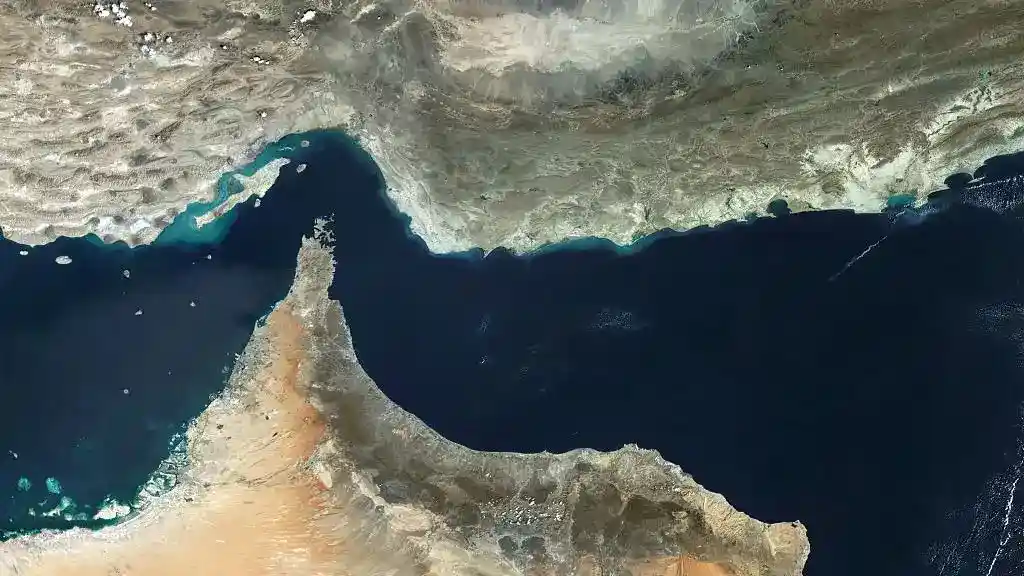
Following a Tuesday briefing in the Situation Room where military planners presented several escalation options, the administration is now considering offensive operations far beyond the current focus on the Strait of Hormuz chokepoint. According to three American and Israeli officials familiar with the planning, the proposed strikes would represent a massive expansion in both geographic scope and target selection. War Secretary Pete Hegseth publicly celebrated the destruction of an Iranian maritime monitoring tower on the southern coast, while Iranian state media reported that American forces struck the Belma N.I.22 oil tanker near Kharg Island for the second time in 48 hours, intensifying pressure on the Islamic Republic’s critical energy export infrastructure.
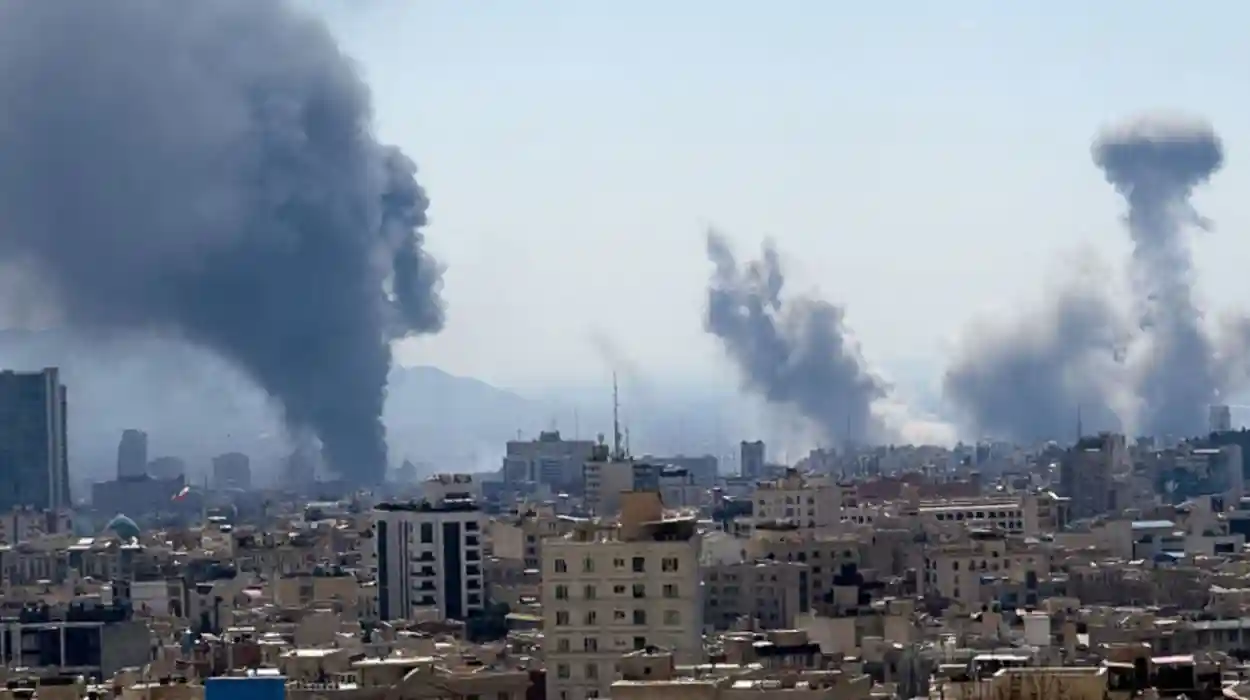
Iranian authorities are now feeling acute strain from nearly a week of sustained American ardment. The Energy Ministry issued an urgent appeal Friday asking citizens in southern provinces to reduce electricity consumption during peak hours, specifically requesting that air conditioners be switched off for one hour during periods of maximum demand. The ministry cited extreme heat combined with damage to power infrastructure but declined to specify whether power plants, transmission lines, or substations had been targeted. Eight people were ed in overnight strikes, according to Iranian state media, and several bridges were destroyed in s that increasingly blur the line between military and civilian infrastructure.
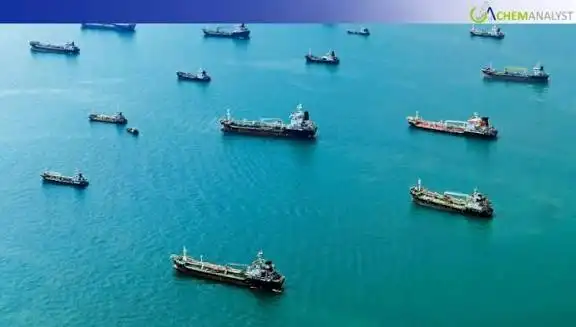
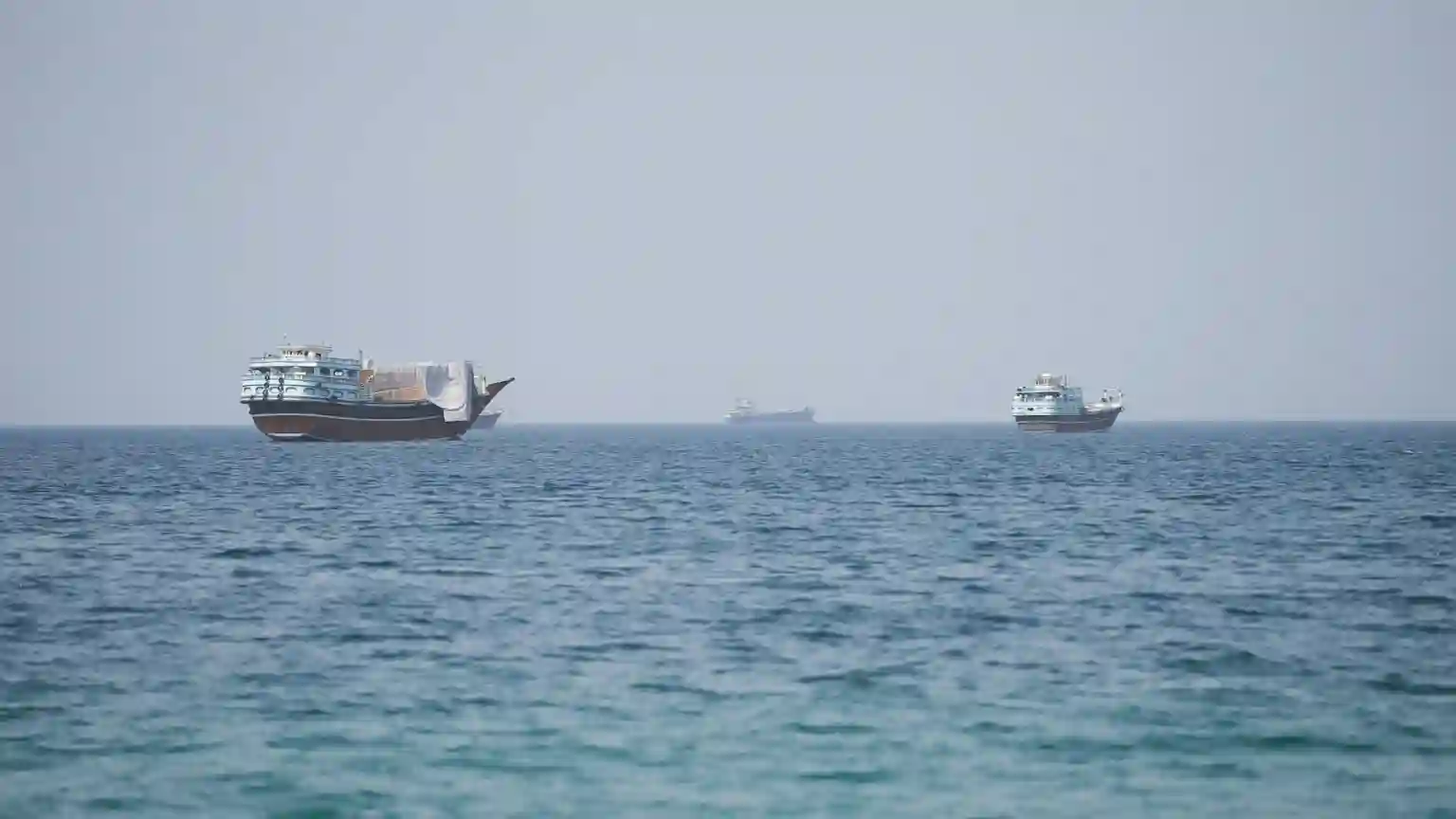
Tehran responded with threats of more severe retaliation while claiming its Islamic Revolutionary Guard Corps successfully struck a United States military base in Qatar. Iranian forces have also deepened s on American outposts scattered across Jordan and Syria, expanding what had been a contained confrontation around Persian Gulf shipping lanes into a broader regional conflict. Shipping traffic through the Strait of Hormuz, through which roughly one fifth of global oil supplies normally pass, has declined further as insurers withdraw coverage and vessel operators seek alternative routes despite significantly higher costs and transit times.
Financial markets reacted swiftly to signs of escalation. Treasury yields rose to daily highs as investors repositioned portfolios to account for prolonged conflict risk. Energy sector equities gained while safe haven assets including gold attracted fresh inflows. A prediction market poll showed 27 percent of participants believe the United States will launch a ground invasion of Iran before 2027, a dramatic shift from earlier assessments that viewed such an operation as virtually inconceivable given the country’s mountainous terrain, population of 89 million, and battle hardened military forces.
What began in mid March as Operation Epic Fury, billed as a targeted response to Iranian proxy s, has evolved into soing far more expansive and unpredictable. Negotiations that showed tentative promise several weeks ago have completely collapsed. Regional powers including Saudi Arabia and the United Arab Emirates are quietly reinforcing their own defense postures while publicly calling for restraint. European allies have expressed growing alarm about potential disruption to energy markets and the risk of drawing NATO into a wider confrontation. As Washington commits additional military assets to the theater and Tehran promises harsher reprisals, both sides appear locked in an escalatory spiral with no clear off ramp and diminishing prospects for diplomatic resolution before further lives are lost and critical infrastructure destroyed.
You May Like














Leave a comment