

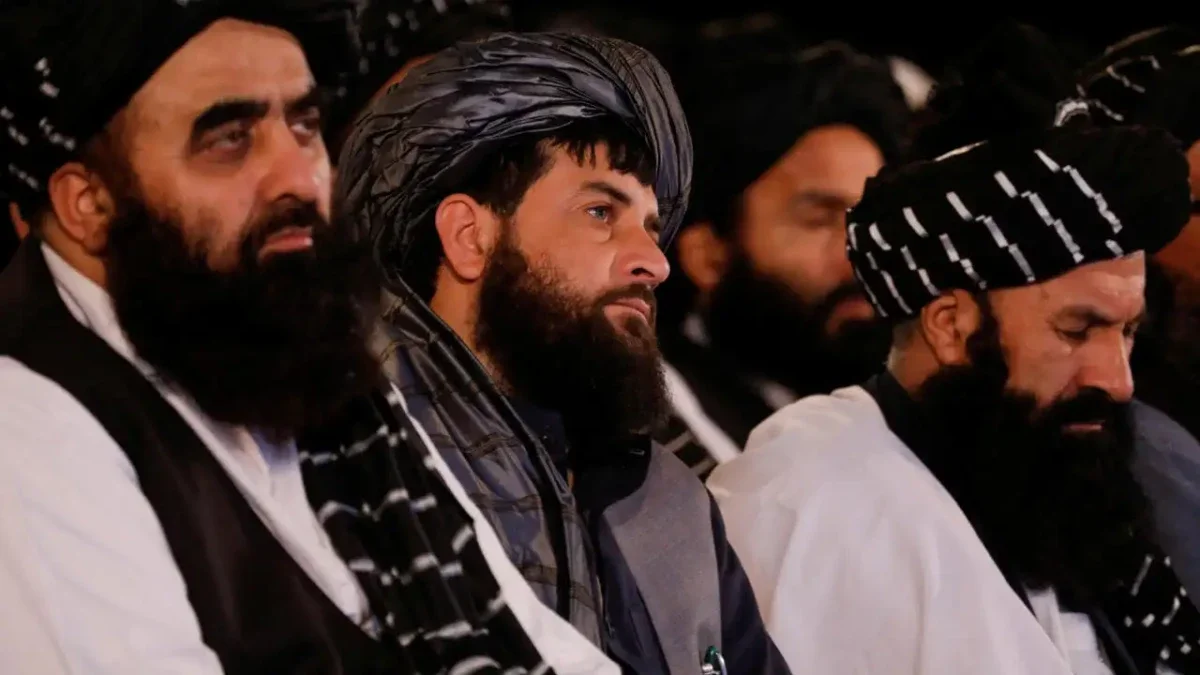
The Taliban recently arrested three of Fawzia Koofi’s family members, tortured one, and confiscated her house. It was an act designed to silence the former Afghan parliamentarian. As she prepared to write to European diplomats seeking their release, she received shocking news: the European Union was inviting Taliban officials to Brussels for diplomatic talks. For Koofi and millions of Afghan women enduring what she describes as gender apartheid, the invitation feels like a profound betrayal.
Nearly five years have passed since the Taliban seized control of Afghanistan, and conditions for women have deteriorated relentlessly. Girls remain barred from schools beyond sixth grade, even as thousands of religious schools have opened where only boys receive unrestricted education. Women cannot become doctors despite skyrocketing maternal and infant mortality rates. Excluded from the job market, many have been reduced to begging on the streets. Meanwhile, the Taliban continues issuing regulations that tighten their grip on every aspect of women’s lives. Their recent penal code effectively legalised slavery, granting men the power to enslave and punish women. Regulations on the separation of spouses have legitimised child marriage, all without any form of international accountability.
Koofi, who served as Afghanistan’s first female deputy speaker of parliament before the Taliban takeover, maintains regular consultations with women across the country. During a recent conversation, one woman crystallised the central challenge facing Afghan women. Poverty and unemployment matter, she said, but none of these issues will be resolved until the culture of impunity surrounding gender apartheid ends. The observation struck at the heart of the matter: systemic oppression requires systemic accountability, not diplomatic normalisation of the perpetrators.
Afghanistan now represents the most visible case of gender apartheid in the world today, defined under international human rights frameworks as inhumane acts committed within an institutionalised regime of systematic oppression by one gender group over another. Codifying gender apartheid as a crime under international law would elish clear legal standards to address state sanctioned repression of women wherever it occurs. Such recognition would treat these abuses as crimes against humanity rather than dismissing them as cultural differences or internal matters beyond international concern.
Under Taliban rule, women have no access to justice. Female judges, defence lawyers, and prosecutors have all been purged from the system. Laws protecting women have been erased. A Taliban criminal courts procedure regulation signed in January 2026 further institutionalised discrimination by dividing Afghan society into four categories: religious scholars, elites such as tribal elders and merchants, the middle class, and the lower class. Punishments differ according to these categories, with discretionary authority delegated to individuals including husbands or owners. Afghan women have been reduced from citizens with rights to commodities subject to the whims of male authority figures.
For European leaders contemplating engagement with the Taliban, Koofi’s message is unequivocal. Inviting officials from a regime that practices systematic gender persecution to diplomatic forums in Brussels represents a slap in the face to every Afghan woman fighting for survival. Rather than normalising relations with perpetrators of apartheid, the international community must enact laws criminalising gender apartheid and holding its architects accountable. For Afghan women and girls, this is not merely a political statement or advocacy cause. It is a matter of daily survival, of enduring and carrying the pain of apartheid every single day. Until the world treats their suffering as the crime it truly is, impunity will continue and oppression will deepen.















Leave a comment