

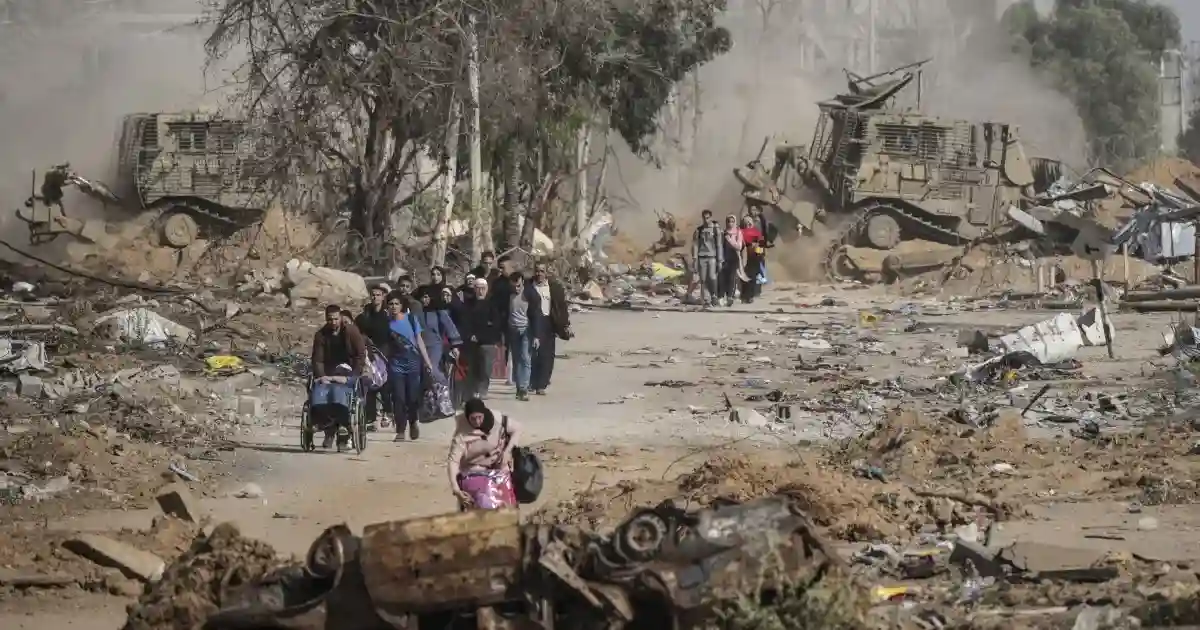
A team of independent experts commissioned by the United Nations has leveled explosive accusations against Israel, alleging deliberate targeting of children in Gaza and acts constituting genocide. Israel has categorically rejected the claims, dismissing the report as a “libelous sham” and questioning the credibility of those behind it. The allegations represent some of the gravest charges yet made by UN affiliated investigators concerning the ongoing conflict in the Gaza Strip.
Members of the Independent International Commission of Inquiry on the Occupied Palestinian Territory presented their findings after months of investigation into military operations in the region. According to their report, evidence suggests a systematic pattern of violence against minors, including documented cases of children being shot by Israeli forces. The commission, which operates with a mandate from the UN Human Rights Council, claims to have gathered testimony from survivors, medical professionals, and witnesses on the ground. These accounts paint a disturbing picture of what investigators characterize as intentional harm to civilian populations, particularly the most vulnerable.
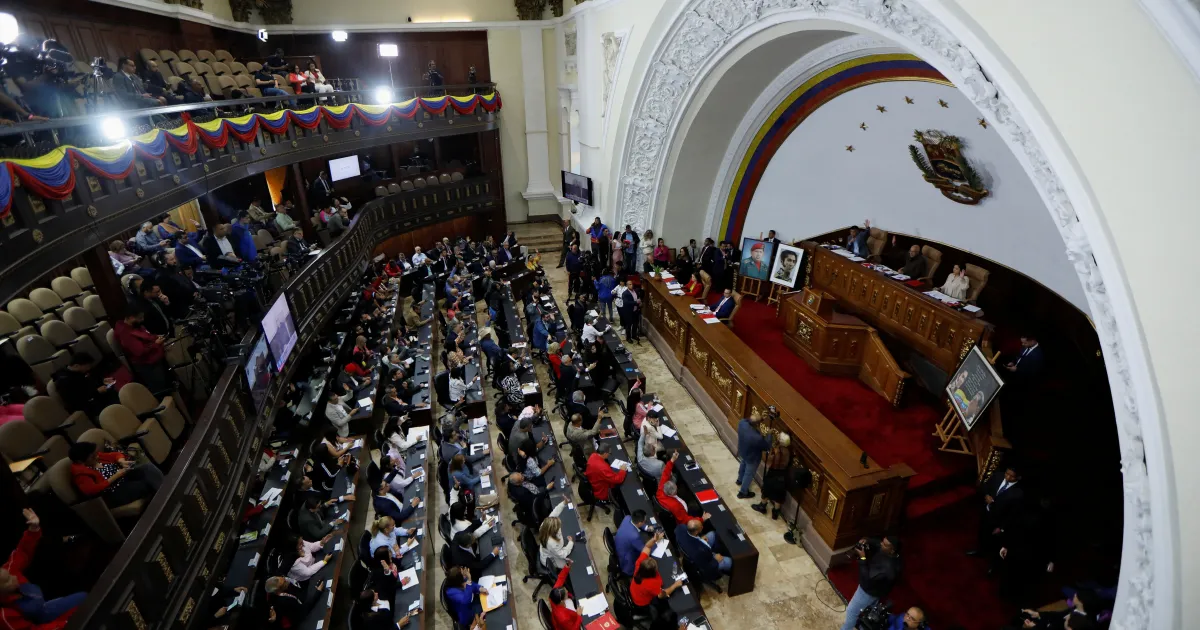
Israeli officials have responded with forceful denials, arguing that the commission has long demonstrated bias against the Jewish state and fails to account for the security threats Israel faces from militant groups operating in Gaza. Government spokespeople have pointed to Israel’s stated efforts to minimize civilian casualties and have accused Hamas of using civilian areas, including schools and residential buildings, as shields for military operations. Jerusalem maintains that its military actions are defensive in nature and comply with international law, despite the mounting international scrutiny and criticism from human rights organizations.
The genocide accusation carries particular legal and moral weight, invoking the 1948 Convention on the Prevention and Punishment of the Crime of Genocide. Legal experts note that proving genocide requires demonstrating not just mass casualties but specific intent to destroy a national, ethnic, racial, or religious group in whole or in part. Some international law scholars argue that the threshold for genocide has not been met, while others point to statements by Israeli officials and the scale of destruction in Gaza as evidence warranting further investigation. South Africa has already brought a case before the International Court of Justice making similar allegations, a legal process that could take years to resolve.
Humanitarian organizations operating in Gaza have documented a staggering toll on children since the conflict intensified. Thousands of minors have been ed or injured, according to health authorities in the territory, with many more displaced and traumatized. Aid workers describe hospitals overwhelmed with young patients suffering from blast injuries, malnutrition, and psychological trauma. Access to medical care, clean water, and education has been severely compromised, creating what many describe as a humanitarian catastrophe affecting an entire generation of Palestinian children.
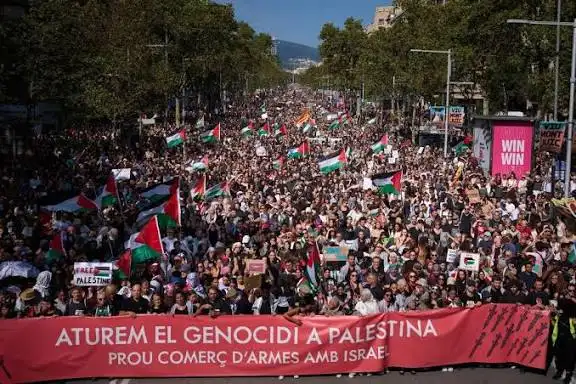
As international pressure mounts on all parties to the conflict, the UN report is likely to intensify calls for accountability and intervention. Whether these allegations lead to formal charges at international tribunals or shifts in diplomatic support from key allies remains uncertain. What is clear is that the human cost of the conflict continues to escalate, with children bearing a disproportionate burden. How the international community responds to these latest accusations may well shape not only the future of this conflict but also the credibility of international human rights mechanisms in holding powerful states accountable for their actions in warfare.

















Leave a comment