

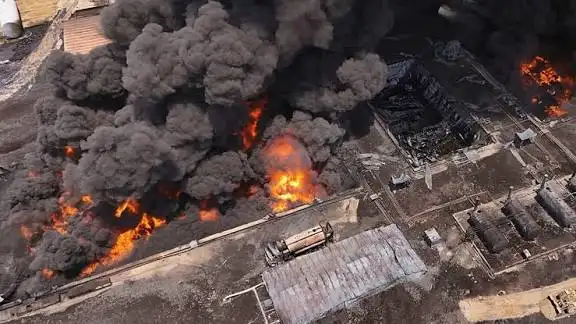
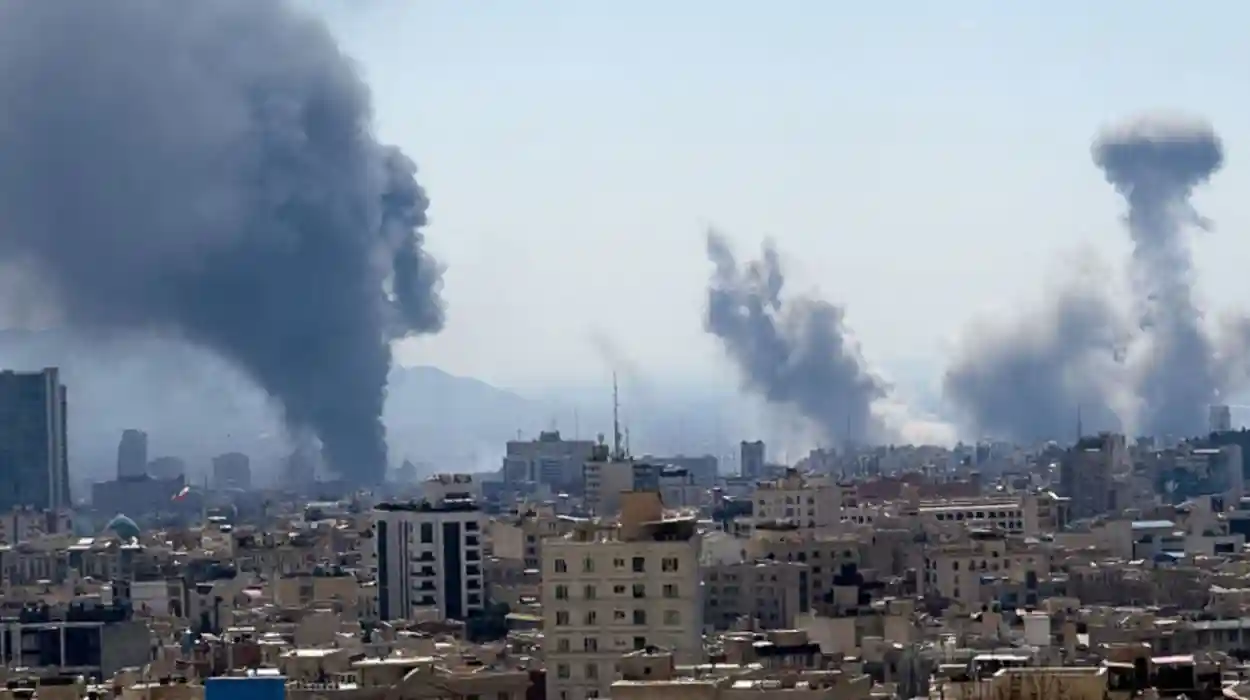
Energy infrastructure across the Gulf region is facing increased pressure as Iranian missile and drone operations increasingly focus on strategic oil and gas facilities. Security analysts say the pattern reflects a calculated effort to influence the economic dimension of the ongoing confrontation with Israel and the United States. Several Gulf states have responded by strengthening defensive measures around refineries, export terminals, and storage installations that play a central role in global energy supply.
Officials in Saudi Arabia, Bahrain, and the United Arab Emirates have elevated security alerts at major energy sites while coordinating closely with regional defense partners. Air defense systems have been repositioned to protect critical installations and maritime routes that carry large volumes of crude oil and natural gas toward international markets. Governments in the region have also increased surveillance of coastal areas and shipping lanes in response to the rising threat environment.

Energy specialists note that the Gulf contains some of the most important petroleum infrastructure in the world, making it a focal point during periods of regional tension. Facilities in this region process and export millions of barrels of oil each day, supplying economies across Asia, Europe, and beyond. Any sustained disruption could quickly influence international energy prices and place pressure on industries that depend heavily on le fuel supplies.
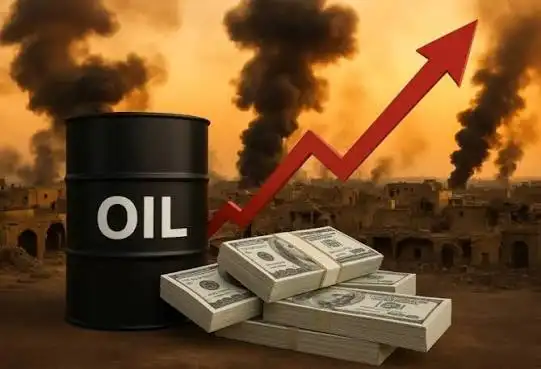
The growing focus on energy facilities has also heightened concern among global market observers. Traders and analysts are closely watching developments as each new incident has the potential to trigger sharp movements in oil prices. Insurance providers that cover maritime transport and energy infrastructure have begun reassessing risk levels in the Gulf, which could increase operating costs for companies shipping fuel through the region.
Diplomatic efforts are continuing in parallel with the military developments as international leaders attempt to prevent further escalation. Many governments have urged restraint while emphasizing the importance of protecting critical economic infrastructure that serves the global community. With tensions still rising and energy security becoming an increasingly central issue, the Gulf region remains at the center of global attention as the conflict evolves.
















Leave a comment