


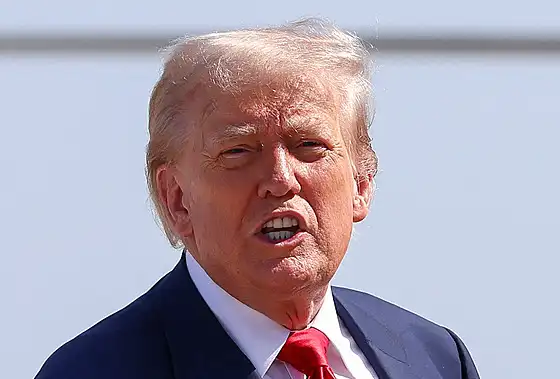
President Donald Trump faced a firestorm of criticism Wednesday after comments defending his Iran war escalation left MSNBC host Stephanie Ruhle visibly disturbed during a live broadcast. Ruhle, who has covered numerous administrations throughout her career, called the president’s remarks shocking even by his own standards.
According to reports, Trump posted on Truth Social threatening potential military action against civilian infrastructure in Iran, raising immediate concerns about violations of international humanitarian law. Ruhle directed her production team to review the posts during her broadcast, expressing disbelief at the content. The host’s reaction underscored growing unease among political observers about the administration’s approach to military engagement in the region.
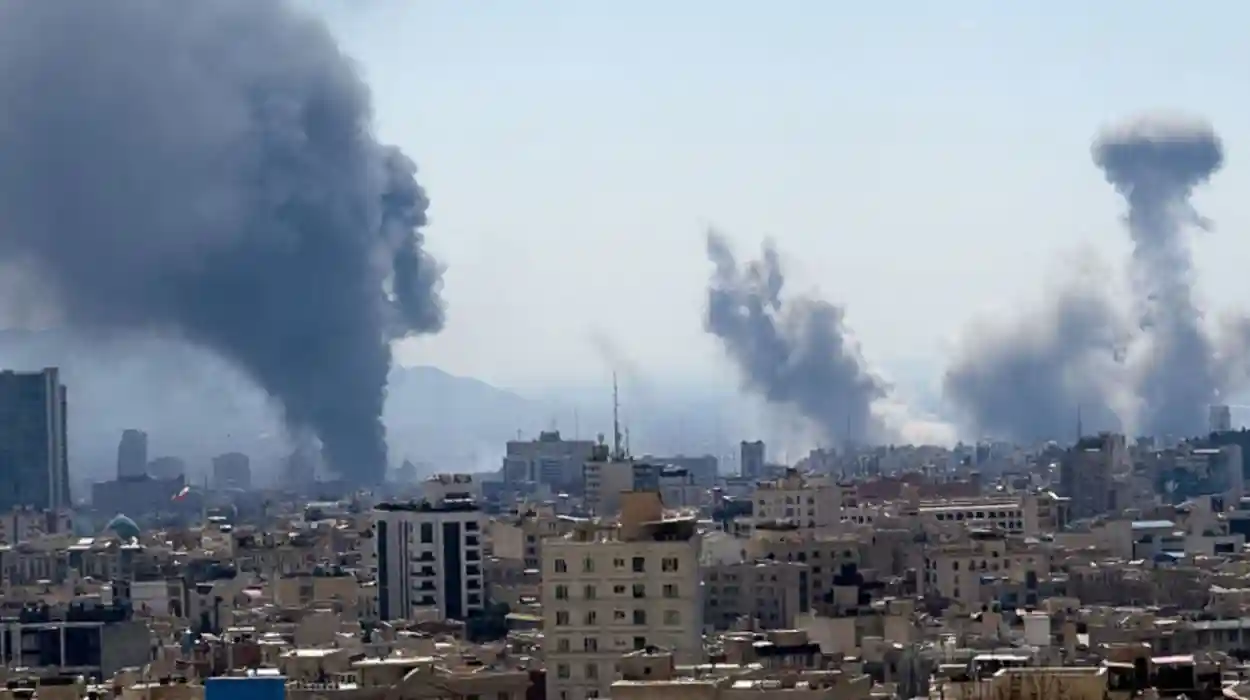
Escalating tensions with Iran have dominated foreign policy discussions in recent weeks, with lawmakers from both parties calling for restraint and diplomatic solutions. Military experts have warned that strikes on civilian infrastructure would constitute war crimes under the Geneva Conventions, potentially isolating the United States from key allies and undermining decades of international legal norms. Several former Pentagon officials have gone on record urging the administration to pursue alternative strategies that avoid unnecessary civilian casualties.
Ruhle’s on air critique reflects broader media scrutiny of presidential communications regarding military operations. Journalists and analysts have noted an increasingly casual tone in official statements about potential armed conflict, a departure from the measured rhetoric typically employed by previous administrations when discussing matters of war and peace. Critics argue this approach risks desensitizing the public to the gravity of military action and its human costs.
Congressional leaders have begun calling for briefings on the administration’s Iran strategy, with members of the Senate Foreign Relations Committee requesting classified sessions to assess the legal and strategic implications of proposed military operations. Several senators have indicated they may pursue legislation requiring explicit congressional authorization before any strikes on Iranian territory, citing constitutional concerns about executive overreach in matters of war.
As tensions continue to mount, the international community watches closely to see whether diplomatic channels can defuse the crisis or whether the region stands on the brink of broader military conflict. Allies in Europe and the Middle East have urged all parties to exercise restraint, warning that miscalculation could trigger consequences far beyond the immediate theater of operations. How the administration responds to growing domestic and international pressure in the coming days may determine whether this crisis escalates or finds a peaceful resolution.
You May Like















Leave a comment