

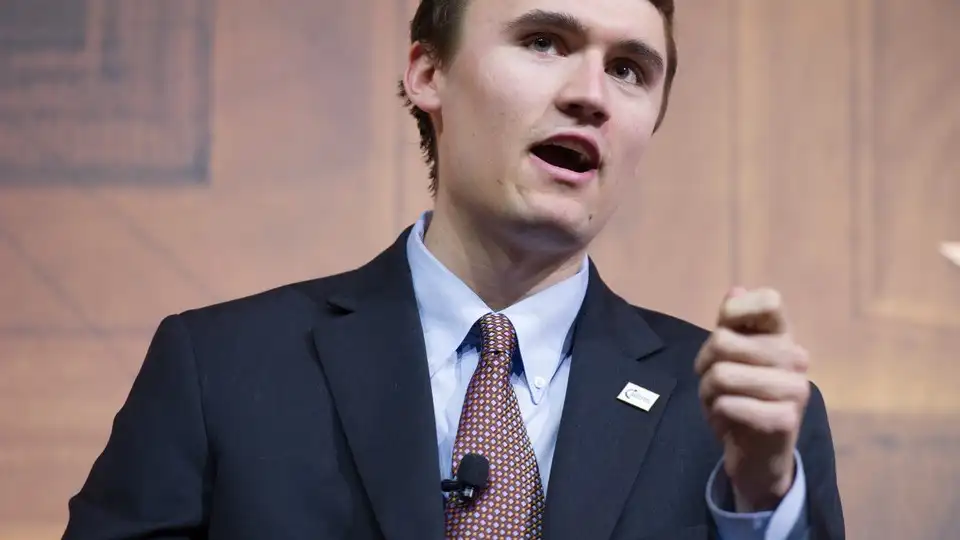
More than $1.5 million in settlements have been paid out to Americans who lost their jobs over social media posts criticizing conservative activist Charlie Kirk following his assassination last year, marking what legal experts describe as an unprecedented wave of First Amendment violations with significant financial consequences for employers. The cases, spanning Florida, Tennessee, and Indiana, have reignited national debate over the boundaries of political speech, government overreach, and the weaponization of social media posts in an increasingly polarized cultural landscape.
Kirk, the 31 year old founder of the youth organization Turning Point USA, was ed on September 10, 2025, while debating students at Utah Valley University. His death triggered passionate reactions across the political spectrum, with some conservatives elevating him to near messianic status while critics drew comparisons to authoritarian figures. In the immediate aftermath, at least 50 people in the education sector alone were terminated from their positions, while a Reuters investigation documented approximately 600 firings across the private sector related to social media commentary about Kirk. Many of these posts were amplified by right wing activists and transformed into ammunition for ongoing culture war battles.
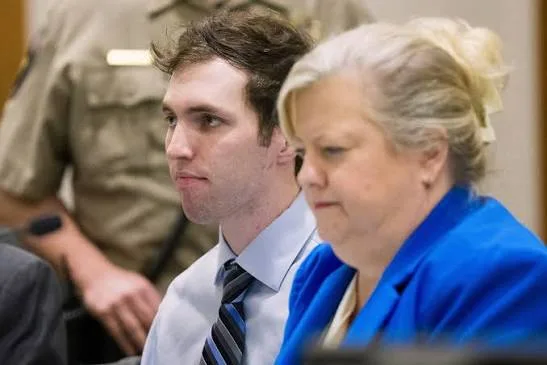
Among the most prominent settlements is the $225,000 payment from Ball State University to Suzanne Swierc, the institution’s former health director who was fired for posting critical remarks about Kirk on social media. Swierc and the American Civil Liberties Union filed suit against Ball State President Geoffrey Mearns in federal court, arguing her termination violated constitutional protections. Speaking after the settlement, Swierc remained defiant about her original post, insisting she had every right to express her views and stood by the substance of her commentary. Her attorney, Joshua Bleisch of the ACLU, emphasized that government officials who fail to respect First Amendment rights will face substantial legal costs.
Aaron Terr, director of public advocacy at the Foundation for Individual Rights and Expression, told reporters the scale and frequency of these settlements reflect the high price of constitutional violations. What distinguishes the Kirk situation from previous episodes of speech related controversy, such as the October 7, 2023, Hamas s on Israel or the 2020 of George Floyd, is the direct involvement of government actors in many termination cases. Government participation in suppressing speech, Terr explained, escalates both the legal jeopardy and the stakes for civil liberties, transforming workplace disputes into constitutional crises with far reaching implications.
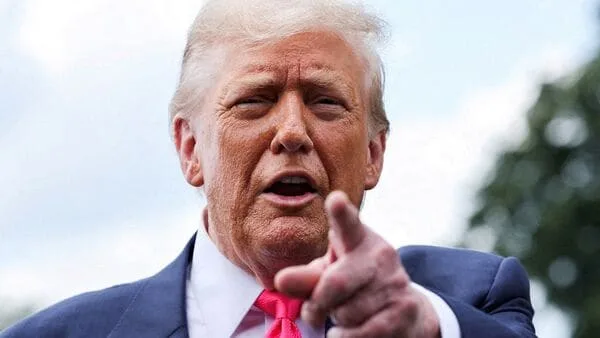
Vice President JD Vance played a controversial role in stoking the atmosphere that led to mass firings. Serving as guest host on Kirk’s podcast just five days after the assassination, Vance urged listeners to report anyone celebrating Kirk’s death to their employers, effectively encouraging a nationwide campaign of professional retaliation. Legal scholars have noted that such statements from high ranking government officials create a chilling effect on protected speech and may expose institutions to liability when they act on politically motivated complaints. Lawsuits continue to accumulate across the country, from South Dakota to Texas, suggesting the final financial toll may climb significantly higher than current settlement figures indicate.
Looking ahead, these cases are likely to reshape how public institutions and private employers approach political speech by workers on social media platforms. Constitutional attorneys predict a surge in First Amendment litigation as Americans increasingly face professional consequences for expressing controversial political views online. The Kirk settlements send a clear message that government entities cannot terminate employees for constitutionally protected speech without facing substantial financial penalties. As the culture wars intensify and political violence becomes a recurring concern in American public life, the tension between free expression and institutional demands for ideological conformity will remain at the center of legal and political battles for years to come.
You May Like














Leave a comment