

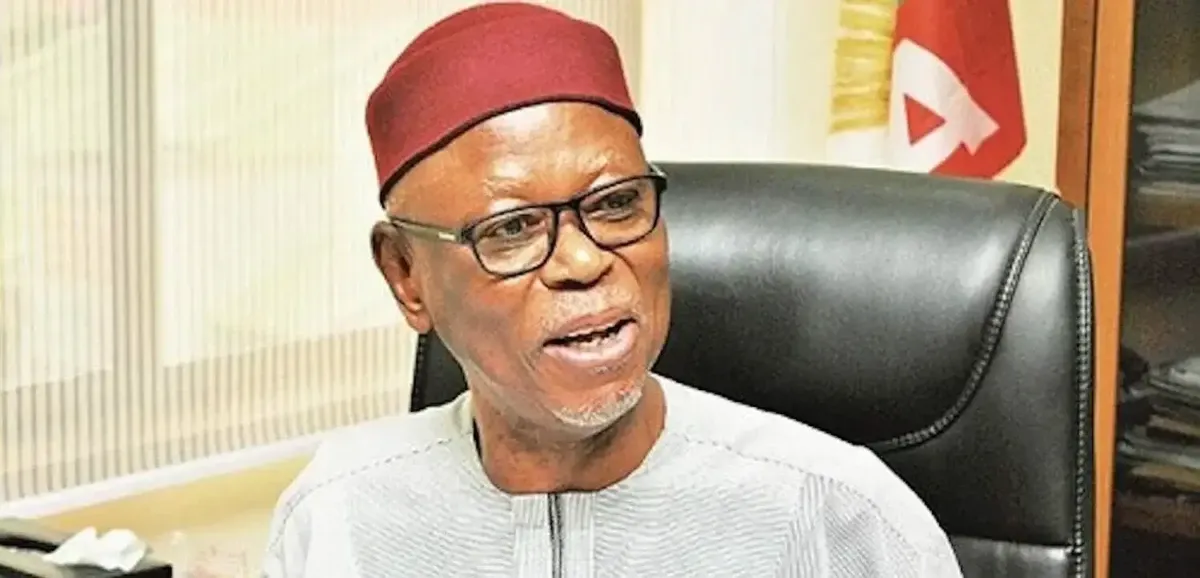
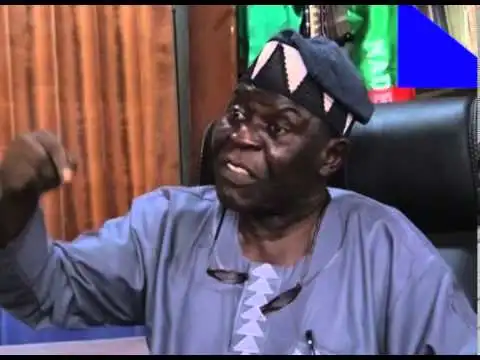
Nigeria’s political landscape is experiencing yet another wave of party defections and political realignments, a development that has drawn sharp criticism from veteran politician and former Edo State Governor John Odigie Oyegun. Speaking in Benin City on Sunday, the African Democratic Congress chieftain described the increasing rate at which politicians abandon their parties as symptomatic of deeper structural problems plaguing the nation’s democracy. His concerns come at a time when political maneuvering ahead of the 2027 general elections has reached a fever pitch, with several high profile figures switching allegiances and reshuffling party loyalties in ways that have left many Nigerians questioning the sincerity of their leaders.
Odigie Oyegun, who served as governor of Edo State and later as national chairman of the All Progressives Congress before joining the ADC, argued that the frequent movement of politicians between parties following internal disagreements raises fundamental questions about the commitment of Nigeria’s political class to genuine national development. According to him, if political actors were truly focused on rescuing the country from its current challenges and improving the lives of ordinary citizens, much of the political theater currently unfolding would be unnecessary. Economic hardship continues to bite hard across the country. Insecurity remains a persistent threat in multiple regions. Yet rather than concentrating efforts on these pressing issues, political leaders appear consumed by calculations of personal advantage and electoral positioning.

Beyond the surface level drama of defections and counter defections, the ADC stalwart suggested that these movements reflect a political class increasingly disconnected from the daily realities facing millions of Nigerians. He pointed out that the actions of many politicians fail to demonstrate a sincere commitment to national progress, with party switching often motivated more by personal ambition and access to resources than by ideological differences or policy disagreements. For ordinary Nigerians struggling with rising inflation, unemployment, and deteriorating public services, the spectacle of politicians hopping between parties offers little comfort and even less hope for meaningful ce. Odigie Oyegun maintained that efforts should instead be directed toward tackling the substantive challenges confronting the nation rather than engaging in political maneuvers that do little to improve living conditions.
Directing his remarks specifically at opposition figures across the country, the former governor urged politicians to engage in serious self reflection about their true motivations. He questioned whether their actions are genuinely aimed at alleviating the suffering of Nigerians or merely pursuing narrow political ambitions that serve individual interests. Opposition leaders, he stressed, must remain focused on providing concrete solutions to the country’s manifold challenges instead of getting caught up in the endless cycle of political repositioning that has come to characterize Nigerian politics. Without such focus and discipline, opposition parties risk squandering whatever public trust remains and missing the opportunity to offer voters a credible alternative to the current administration.
Despite his pointed criticism of current political trends, Odigie Oyegun expressed cautious optimism about the potential for meaningful opposition success in future elections. He argued that with a genuinely level playing field and strong, independent institutions, conditions could be created for a democratic ce in political leadership. Electoral management bos must operate with transparency and fairness. Security agencies must remain neutral rather than acting as partisan enforcers. Judicial institutions must demonstrate independence in resolving electoral disputes. If these conditions can be met, he suggested, opposition parties working together could mount a serious challenge to the ruling party and offer Nigerians a viable path toward better governance.
As Nigeria moves c to the 2027 electoral cycle, the warning from Odigie Oyegun serves as both an indictment of current political behavior and a call to higher standards. Whether his message will resonate with politicians more focused on immediate tactical gains than long term national interest remains to be seen. What seems certain is that Nigerian voters, battered by years of unfulfilled promises and declining living standards, are growing increasingly skeptical of a political class that appears more committed to self preservation than public service. How the opposition responds to this challenge, and whether it can transcend the very defection culture that Odigie Oyegun condemns, may well determine not just the outcome of the next election but the future trajectory of Nigerian democracy itself.
You May Like














Leave a comment