

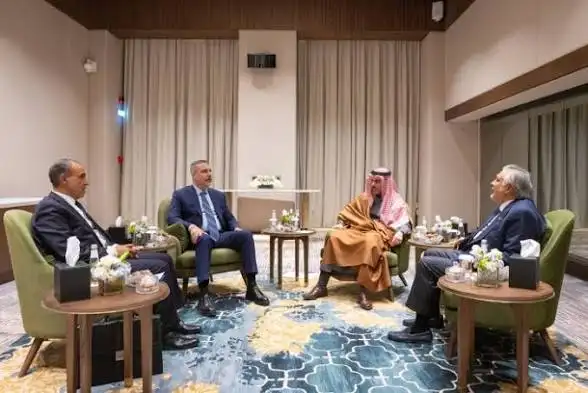
Quiet diplomatic engagement between the United States and Iran is reportedly continuing behind the scenes, even as both governments publicly deny active negotiations. The existence of these discreet communications reflects the complexity of the ongoing confrontation and highlights the persistent efforts to explore possible pathways toward easing tensions without signaling political concessions to domestic or international aunces.
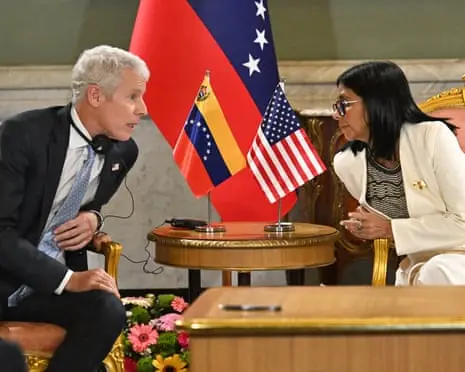
Sources familiar with the matter suggest that intermediaries are facilitating indirect discussions, allowing both sides to exce positions and test potential compromises without formal acknowledgment. This approach has historically been used in sensitive geopolitical situations where direct engagement carries political risks, enabling dialogue to proceed while preserving public postures that emphasize strength and independence.
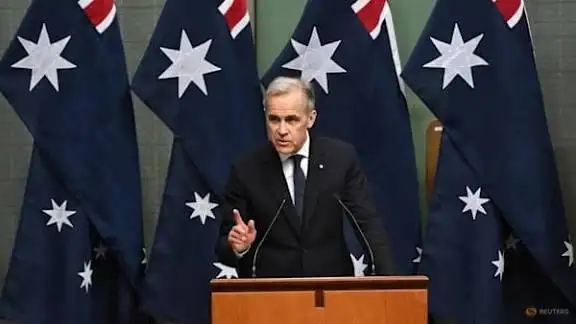
Analysts note that such backchannel efforts can play a critical role in preventing misunderstandings and reducing the likelihood of unintended escalation, particularly in high tension environments where communication gaps can lead to rapid deterioration. By maintaining a line of contact, even informally, both parties retain the ability to clarify intentions and respond to emerging developments more effectively.
The continuation of these discussions comes at a time when public rhetoric remains firm, with officials on both sides emphasizing resolve and warning against perceived aggression. This contrast between public statements and private engagement underscores the dual track nature of modern diplomacy, where governments often balance strategic messaging with pragmatic efforts to manage risks and explore off ramp options.
International observers have reacted with cautious optimism, viewing the reported talks as a potential opening for broader diplomatic initiatives if conditions align. Several governments have encouraged sustained engagement, stressing that even limited dialogue can serve as a foundation for more structured negotiations aimed at addressing core disputes and reducing regional tensions over time.
However, skepticism remains among some experts who question whether the current level of engagement is sufficient to produce meaningful outcomes, given the depth of mistrust and the complexity of the issues involved. They argue that without clear commitments or confidence building measures, backchannel discussions may struggle to translate into tangible progress on the ground.
As the situation continues to evolve, the presence of ongoing informal dialogue highlights the enduring importance of diplomacy, even in periods of heightened confrontation. Observers emphasize that while public positions may remain unced, these quieter efforts could ultimately shape the trajectory of the conflict and influence decisions that determine whether tensions escalate further or move toward gradual resolution.












Leave a comment